Betechit.com

  • The Psychology of Loot Boxes: Have New Regulations Actually Changed Player Habits?

    The Psychology of Loot Boxes: Have New Regulations Actually Changed Player Habits?

    Introduction

    You’ve felt the rush. That heart-pounding moment before opening a digital crate, chest, or pack in your favorite game—a potent mix of anticipation and hope. This is the core allure of the loot box, a virtual goodie bag that has become a billion-dollar revenue pillar and a significant point of ethical contention.

    For years, these randomized rewards operated in a regulatory gray area, often compared to gambling. Recently, a global wave of new rules, from disclosure laws to outright bans, has swept across the industry. This raises a critical question: have these well-intentioned regulations changed how players interact with loot boxes, or have developers and consumers simply found new ways to play the same game? Drawing on over a decade of industry analysis, this article examines the tangible impact of these rules and the evolving ethical landscape of gaming monetization.

    The debate around loot boxes isn’t just about money; it’s a fundamental question about the ethics of psychological design in interactive entertainment.

    The Allure and The Algorithm: Why Loot Boxes Hook Us

    To understand the impact of regulation, we must first understand the powerful psychological forces at play. Loot boxes are meticulously designed to exploit well-documented cognitive biases, a practice often termed “monetized user experience (MUX) design.”

    The Variable Ratio Reinforcement Schedule

    At their core, loot boxes operate on a variable ratio reinforcement schedule. This is the same principle that makes slot machines addictive. The player knows a reward will come, but not when. This unpredictability creates a powerful compulsion to continue, with each click fueled by the thought, “The next one could be the big win.”

    Game developers layer this core mechanic with audiovisual spectacle—flashing lights, dramatic openings, and celebratory sounds. This sensory feedback conditions the brain to associate the action with a positive stimulus. The “near-miss effect,” where an animation briefly highlights a rare item before landing on a common one, is a potent design trick borrowed directly from gambling.

    The Sunk Cost Fallacy and Fear of Missing Out (FOMO)

    Two other powerful drivers are the sunk cost fallacy and FOMO. After investing time or money, a player may feel compelled to spend more to justify their initial investment. Meanwhile, time-limited loot boxes containing exclusive items directly trigger FOMO, pushing players to engage before an opportunity disappears.

    As noted in a 2020 UK House of Lords report, these mechanics can be disproportionately impactful on adolescents, whose prefrontal cortex—responsible for impulse control—is still developing. This understanding is central to the regulatory debate. Research from institutions like the National Institutes of Health provides further evidence on how adolescent brains respond to variable rewards.

    The Regulatory Crackdown: A Global Patchwork of Responses

    As concerns grew, governments worldwide began to intervene. The approach has been fragmented, creating a complex landscape for global game publishers to navigate.

    Disclosure Laws and Age Ratings

    The most common response has been mandating clearer disclosure. Pioneered by the ESRB and PEGI, games with in-game purchases now carry specific labels. Belgium and the Netherlands took a harder line, declaring some loot box systems illegal gambling and demanding their removal.

    China’s 2016 mandate required developers to publicly disclose the exact probability rates for all items within a loot box. This “transparency by force” aimed to demystify the odds. However, studies like one in the Addiction journal suggest that while transparency is positive, it does not inherently mitigate the addictive potential of the underlying variable reward schedule. The ongoing academic discourse, including work from the University of Cambridge, continues to explore this complex relationship.

    The Industry’s Standardized Response

    Facing pressure, major trade groups like the Entertainment Software Association (ESA) announced voluntary principles in 2019. Key was a pledge to disclose loot box odds prior to purchase—a practice now standard in major titles.

    Critics argue this is a minimal concession. The World Health Organization’s recognition of “gaming disorder” has further intensified scrutiny, pushing the conversation beyond simple disclosure toward the ethics of the design itself.

    Global Regulatory Approaches to Loot Boxes
    Region/Country Primary Regulatory Approach Key Impact
    Belgium & Netherlands Outright Ban (Gambling Law) Loot boxes removed from major games like FIFA and Overwatch in these regions.
    China Mandatory Odds Disclosure Forced global transparency; most publishers now display odds worldwide.
    United Kingdom & USA Industry Self-Regulation & Labeling ESRB/PEGI warning labels; voluntary disclosure principles adopted by major platforms.
    South Korea Disclosure & Spending Limits Game Rating Board mandates odds; some games implement monthly spending caps.

    Measuring Impact: Have Player Habits Truly Shifted?

    With regulations in place for years, data reveals their nuanced impact. Change is occurring, but not always in the ways regulators intended.

    Increased Awareness, Not Necessarily Reduced Spending

    Research indicates that odds disclosure has successfully increased player awareness about randomness. However, this awareness does not consistently correlate with reduced spending. For some, knowing the low chance of a rare item can heighten its perceived value and status.

    In regions with strict bans, studies show a short-term revenue drop. From my analysis of market adjustments, I’ve observed that many dedicated players simply use VPNs or shift spending to alternative markets. This highlights the challenge of region-specific rules in a borderless digital environment.

    The Rise of “Loot Box Adjacent” Mechanics

    A significant unintended consequence is industry innovation in circumventing regulations. If a “loot box” is defined as a paid, random reward, developers create new mechanics that feel different but trigger the same psychology.

    These include:

    • Battle Passes & Reward Tracks: Offering a clear, linear path but often layering randomness within the rewards themselves (e.g., “mystery items” at certain tiers).
    • Direct Purchase with Gacha Mechanics: Allowing players to directly buy currency for a random “pull,” blurring the line between a store and a lottery, complete with “pity timer” systems.
    • “Free” Rewards with Paid Keys: Giving players the loot box for free but requiring a purchased key to open it, a technical workaround scrutinized in regions with strict laws.

    Regulation has not eliminated the core compulsion loop; it has simply forced it to evolve into new, less obvious forms.

    The Ethical Dilemma and Developer Responsibility

    The regulatory tug-of-war places the industry in a complex ethical and financial bind. Player expectations for free post-launch content clash with the high cost of game development.

    Funding Live Services vs. Exploiting Players

    These mechanics fund the popular “games as a service” model. The ethical line is drawn between sustainable monetization and a predatory one. Is it ethical to use tuned psychological tricks, especially in games popular with younger audiences?

    Some studios are exploring transparent alternatives, like selling cosmetic items directly or offering a content subscription. Games like Fortnite (Item Shop) and Destiny 2 (Season Pass) show hybrid models can be successful and less reliant on obfuscated randomness. Industry analysis from sources like GamesIndustry.biz tracks these evolving business model trends.

    Designing for Enjoyment, Not Just Engagement

    The required shift is in design philosophy. The question should evolve from “how can we maximize spending through compulsion?” to “how can we create a game so genuinely enjoyable that players want to support it?”

    This involves valuing long-term player trust over short-term revenue spikes. Frameworks like the “Player Experience of Need Satisfaction (PENS)” model provide a roadmap, suggesting autonomy, competence, and relatedness are more sustainable drivers of loyalty than manipulative loops.

    Actionable Insights for Players and Parents

    In this evolving landscape, empowerment through knowledge is key. Navigating these complex monetization systems requires both proactive defense and strategic engagement.

    Understanding the System and Using Controls

    Empowerment begins with knowledge. Understanding the psychological principles at work—like variable rewards and the sunk cost fallacy—is the first step toward conscious choice. Recognizing the design allows you to see it for what it is and make informed decisions rather than reactive ones.

    Beyond knowledge, modern platforms provide robust tools. Leverage platform-level spending controls on consoles, PC stores, and mobile operating systems. Proactively enable password protections, set firm spending limits, and review monthly reports to maintain control over in-game purchasing.

    Promoting Mindful Consumption and Dialogue

    Scrutinize game labels and disclosures before committing. Look for ratings like “In-Game Purchases (Includes Random Items)” and check the developer’s published odds, as required by major app store policies. For new games, adopt a “wait-and-see” approach. Waiting even 72 hours after launch allows community reviews on monetization to surface, preventing impulse buys.

    For parents, it’s crucial to frame the discussion with young gamers. Talk openly about the value of virtual items versus real money. Using prepaid gift cards can create a tangible spending boundary, turning a potentially contentious issue into a teachable moment about budgeting and responsible digital citizenship.

    FAQs

    Are loot boxes considered gambling?

    Legally, it depends on the country. Some nations like Belgium and the Netherlands classify certain loot box systems as gambling because they involve paying money for a randomized reward of uncertain value. Most other regions currently treat them as in-game purchases, though the psychological parallels to gambling are widely acknowledged by researchers and regulators.

    What is a “pity timer” in gacha or loot box systems?

    A pity timer (or mercy system) is a hidden mechanic that guarantees a player will receive a rare item after a certain number of unsuccessful attempts. It’s designed to soften the frustration of bad luck and encourage continued spending by providing a predictable outcome, but it still operates within a random, reward-seeking loop.

    How effective are parental controls against loot box spending?

    Platform-level parental controls (on Xbox, PlayStation, Nintendo Switch, iOS, and Android) are highly effective if properly configured. They can disable spending entirely, require a password for each purchase, or set monthly spending limits. They are the first and most important line of defense for managing a child’s access to these mechanics.

    Has regulation made loot boxes less common in games?

    Regulation has made traditional, paid loot boxes less common in some regions with strict laws. However, globally, the core mechanics have often evolved into adjacent systems like battle passes with random reward tiers or direct “gacha” pulls. The prevalence of randomized monetization remains high, albeit in sometimes more transparent or structurally different forms.

    Conclusion

    The new regulations on loot boxes have changed the gaming landscape, but not as a decisive checkmate. They have acted more like a significant patch, increasing transparency and forcing a surface-level reckoning.

    Yet, the core psychological allure remains potent, and player habits have proven adaptable, often migrating to new, similarly designed mechanics. The true measure of success will be found in a broader cultural shift—one that prioritizes ethical design and player well-being as foundational pillars. As players, staying informed and making conscious choices is our most powerful tool. The ongoing dialogue between regulators, developers, and the community will ultimately determine whether this chapter leads to a healthier, more sustainable future for gaming.


  • The Agentic AI Travel Planner: How Algorithms Will Book Your Trip Autonomously

    The Agentic AI Travel Planner: How Algorithms Will Book Your Trip Autonomously

    Introduction

    Planning the perfect vacation often means juggling endless browser tabs, conflicting reviews, and complicated budgets. But what if you could simply describe your dream trip and have a digital assistant make it happen? This is the promise of the Agentic AI Travel Planner.

    This transformative technology moves beyond basic recommendations to fully manage your travel plans. We will explore how these intelligent systems evolve from simple tools into proactive travel agents, fundamentally changing how we discover, book, and experience the world.

    Industry Insight: A 2023 Phocuswright report highlights a crucial shift in travel AI: from “decision support” to “decision execution.” The new standard is defined by a system’s ability to act independently for the user.

    From Reactive Bots to Proactive Agents: Defining the Shift

    Today’s travel technology is mostly reactive. Search engines and chatbots respond to direct queries. The agentic AI represents a fundamental leap forward.

    It is an autonomous system designed with specific goals. It perceives the vast travel data ecosystem and takes a series of actions to achieve a defined outcome—your perfectly planned trip. This shift moves us from tools that find to agents that fulfill.

    • Current State: Tools that respond to queries (e.g., “Find hotels in Paris”).
    • Agentic Shift: Systems that understand complex goals (e.g., “Plan a relaxing 5-day Parisian art tour”) and execute the steps to fulfill them.

    The Core Architecture: Goals, Tools, and Autonomy

    An agentic AI planner operates on a continuous loop: perceive, plan, act, and reflect. Often based on frameworks like ReAct (Reasoning + Acting), it starts with your high-level goal.

    It then breaks this into smaller tasks: finding flights, matching accommodations, and curating activities. Critically, it has the “tools” or permissions to act—direct access to booking systems and payment gateways—allowing it to move from suggestion to booking autonomously.

    Beyond Booking: The Holistic Travel Concierge

    The true difference is holistic planning. The agent doesn’t just book a flight and hotel separately; it ensures the check-in time aligns with your flight arrival, using historical data.

    It might book a restaurant for your first night that’s a short walk away and matches your dietary preferences. It becomes a context-aware orchestrator, managing the complex web of details that often overwhelms human planners.

    How the Autonomous Planning Process Actually Works

    The user experience will be deceptively simple, hiding a highly complex backend operation. The process flows through distinct, connected phases managed by the AI.

    Phase 1: Deep Preference Discovery and Dynamic Briefing

    Interaction starts with a conversation—not a search bar. The AI engages in dialogue to build a dynamic traveler profile, asking clarifying questions to understand nuance.

    It integrates past travel data and calendar availability to create a living, evolving brief. This phase uses multimodal AI to infer unstated desires, with user-controlled “preference calibrators” ensuring suggestions feel helpful, not intrusive.

    Phase 2: Real-Time Orchestration and Contingency Management

    With a brief finalized, the agent queries multiple live data sources at once: airline inventories, dynamic pricing, and events. It doesn’t just compare options; it synthesizes them into a coherent itinerary.

    Its autonomy shines in problem-solving. If a hotel is booked, it finds a comparable alternative and adjusts transportation. This requires predefined user “decision boundaries,” such as permission to spend up to 10% more for a suitable alternative.

    The Tangible Benefits for the Modern Traveler

    Agentic AI planners deliver clear advantages that solve the core frustrations of travel planning, offering new levels of personalization and efficiency.

    Hyper-Personalization at Scale

    Mass tourism gives way to mass customization. Your trip is uniquely yours, crafted from countless combinations. The AI remembers you prefer aisle seats and hotels with great breakfasts.

    It suggests activities matching your pace and interests, dynamically allocating your budget based on your values. A critical note: This personalization relies on transparent data sharing, which is foundational to digital trust in tourism.

    Time Reclamation and Stress Elimination

    The most universal benefit is time. The hours spent on research and booking vanish. The agent handles tedious tasks: comparing transfers, reading fine print, and syncing time zones.

    This drastically reduces pre-trip anxiety. You move from decision fatigue to confident anticipation. A 2022 study in the Journal of Travel Research found that 68% of people consider pre-trip planning a significant stress source, highlighting the clear need for this solution.

    Navigating the Challenges and Ethical Considerations

    While the potential is vast, creating trustworthy autonomous travel planners involves significant challenges that must be addressed collaboratively.

    Trust, Transparency, and the “Black Box” Problem

    Handing over trip planning requires deep trust. Users will demand transparency: Why was this flight chosen? Agents must provide clear, understandable reasoning, not just a final itinerary.

    Liability is also critical. Clear frameworks defining responsibilities are essential. Travel insurance providers are now developing policies to cover “AI planning errors,” addressing this emerging risk directly.

    Bias, Diversity, and Economic Impact

    AI learns from existing data, which can perpetuate biases. An agent might consistently recommend mainstream attractions, overlooking smaller, locally-owned businesses.

    “The goal of agentic AI in travel shouldn’t be to automate the well-trodden path, but to intelligently pave new ones that respect local economies and traveler curiosity.” – TechEthics in Tourism Report, 2024

    Developers must train agents on diverse datasets and build in mechanisms to promote discovery. Techniques like counterfactual fairness testing are being explored to broaden horizons, not narrow them.

    Implementing Agentic AI: A Roadmap for the Industry

    Integrating agentic AI requires coordinated evolution across the travel technology stack. Below is a potential roadmap for key stakeholders.

    Stakeholder Actions for AI Integration
    Stakeholder Key Actions & Focus Areas
    Travel Tech Companies Develop open, standardized APIs for autonomous booking; invest in “explainable AI” interfaces; create robust testing “sandboxes.”
    Service Providers (Airlines, Hotels, etc.) Adapt systems for AI-to-AI negotiation; ensure data feeds are accurate and real-time; develop AI-friendly inventory like flexible bundles.
    Regulators & Industry Bodies Establish guidelines for AI transparency and data privacy; create certification standards for autonomous agent platforms.
    Travelers Engage with early tools critically; provide feedback to improve AI; actively manage data sharing permissions.
    Comparison: Traditional vs. Agentic AI Travel Planning
    Planning Aspect Traditional / Reactive AI Agentic AI Planner
    User Input Specific queries & filters High-level goals & conversational brief
    Process User-driven research & manual comparison Autonomous task decomposition & execution
    Output List of options & recommendations A fully booked, coherent itinerary
    Contingency Handling User must monitor and react AI proactively manages changes & re-plans
    Personalization Depth Based on past clicks/searches Dynamic, contextual, and multi-preference aware

    Your Next Steps in the Evolving Travel Landscape

    The era of the agentic travel planner is approaching. As a traveler, you can prepare by taking these proactive steps:

    1. Curate Your Digital Footprint Consciously: The AI learns from your data. Use review platforms thoughtfully and save travel inspiration in organized digital spaces.
    2. Start with Hybrid Tools: Begin using existing AI-powered features in apps like Google Travel. Notice how they learn and where they fall short.
    3. Demand Transparency and Verify: Support companies that clearly explain how their AI works and handles accountability. For now, double-check major AI-generated bookings.
    4. Embrace the Role of Curator-in-Chief: View the AI as a powerful assistant. Your role evolves from researcher to final approver, focusing on high-level goals and the joy of the experience.

    FAQs

    Is an Agentic AI Travel Planner safe to use for booking and payments?

    Security is paramount. Reputable agentic AI platforms will use bank-level encryption for payment data and operate with strict, user-defined permissions. They should act as an authorized agent using tokenized payments, never storing your full financial details. Always verify the platform’s security certifications and privacy policy before granting booking autonomy.

    How does this differ from using a human travel agent?

    A human agent offers personalized intuition and empathy. An Agentic AI offers 24/7 availability, the ability to process millions of data points in seconds, and potentially lower cost. The ideal future likely involves a hybrid model: AI handles the heavy logistics and real-time optimization, while a human provides nuanced advice, handles complex special requests, and offers reassurance for high-stakes trips.

    Will AI planners limit my travel discoveries by only showing me “algorithm-friendly” options?

    This is a key ethical challenge. Early systems might have this bias, but responsible developers are actively working to counter it. Look for planners that offer “discovery modes” or “serendipity sliders” that intentionally introduce novel or locally-owned options outside your immediate profile. Your feedback as a user is crucial to training these systems to be better curators.

    What happens if the AI makes a mistake with my booking?

    Clear accountability is essential. The terms of service should define liability for errors. Leading platforms are expected to offer guarantees or corrective actions, such as rebooking at their own cost if a mistake is verified. Some travel insurance providers are also introducing specific coverage for AI planning errors. Always review the itinerary and confirmations before travel, especially in the early adoption phase.

    Conclusion

    The Agentic AI Travel Planner is more than a convenience; it reallocates human attention. By offloading the cognitive burden of logistics, we free ourselves to focus on what truly matters: anticipation, experience, and memory.

    Built on trust, transparency, and thoughtful design, this technology promises a future where travel is more accessible, personalized, and seamless. The journey from inspiration to destination becomes part of the adventure itself.

  • The MKBHD Effect: Why High Production Value is Now the Standard for Tech Reviews

    The MKBHD Effect: Why High Production Value is Now the Standard for Tech Reviews

    Introduction

    In the dynamic world of technology reviews, one creator’s name is synonymous with quality: Marques Brownlee, known globally as MKBHD. What began as a high school hobby has evolved into a YouTube empire, fundamentally reshaping audience expectations and creator standards.

    The “MKBHD Effect” describes this seismic shift—a movement where cinematic production, meticulous testing, and trustworthy presentation became the essential benchmark for success. This article deconstructs the phenomenon, exploring its core pillars and its profound impact on viewers, fellow creators, and the tech industry.

    “In my career, MKBHD’s process is the gold standard. His team’s pre-production checklists and rigorous device testing protocols are routinely referenced by other creators and media companies as the model for thorough, credible review work.”Alex Khan, Former Tech Media Producer.

    The Pillars of the MKBHD Aesthetic

    MKBHD’s dominance is no accident. It’s built on an unwavering commitment to excellence across two interconnected domains: breathtaking production and substantive analysis. This dual focus creates a signature experience that defines the modern tech review.

    Cinematic Visuals and Sound Design

    The visual and auditory quality of an MKBHD video is immediately striking. He utilizes 8K resolution, fluid slow-motion, and expertly composed shots that frame technology as art. Professional lighting ensures perfect color accuracy, which is crucial for evaluating device screens and materials.

    The audio is equally pristine, with every interface sound and vocal nuance captured clearly. This polish isn’t just for show; it builds immense subconscious trust. When a creator invests this level of care into presentation, viewers believe they invest equal rigor into their opinions.

    This standard has technical roots. Achieving it requires knowledge beyond expensive gear:

    • Color Science: Using professional monitors and calibration tools to ensure on-screen colors match real life, adhering to standards like Rec. 709.
    • Audio Fidelity: Employing high-end microphones (e.g., Shure SM7B) in acoustically treated spaces to eliminate reverb and noise.
    • Dynamic Range: Mastering video to preserve detail in both shadows and highlights, allowing viewers to see a device’s true black levels and brightness.

    The result is a new baseline where poor video quality actively undermines a reviewer’s authority.

    Substance Wrapped in Style

    The stunning production would mean little without deep, insightful content. Marques grounds his style in weeks of real-world testing. He doesn’t just list specs; he explains how a phone’s weight affects all-day comfort or how a laptop’s thermal design impacts sustained performance.

    He employs consistent, repeatable tests—like his famous battery drain benchmarks—to provide comparable data. The style captures attention, but the substantive, experience-driven analysis is what builds a loyal, informed audience. This approach has permanently raised the bar.

    Today’s viewers can distinguish between a superficial unboxing and a genuine review. Successful creators must now be hybrid experts:

    • Technically Proficient: Able to explain complex concepts like computational photography or chipset architecture in accessible terms.
    • Longitudinal Testers: Committing to using a device as a primary device for weeks to uncover software bugs or battery issues that short-term reviews miss.

    This creates reviews that serve as genuine purchasing guides, not just promotional content.

    The Ripple Effect on the Tech Content Ecosystem

    The MKBHD standard created a rising tide that lifted—or forced the evolution of—the entire tech media landscape. Its influence is a case study in how one creator can redefine an industry’s practices.

    Raising the Bar for Fellow Creators

    For other tech YouTubers, the effect was a clear mandate: professionalize or risk irrelevance. Investment in production equipment became a necessary cost of entry. This led to a widespread upgrade in creator setups, from Sony cinema cameras to dedicated studio lighting.

    More importantly, it sparked a focus on the entire creative process—storyboarding, scriptwriting, and color grading—turning hobbyists into professional media producers. This shift created a visible stratification.

    Channels that embraced high production values and deep analysis, like Dave2D and Mrwhosetheboss, saw massive growth. Meanwhile, channels reliant on casual, low-production formats struggled. The effect fostered a culture of open learning, accelerating collective quality.

    Shifting Brand and PR Engagement

    Tech companies now view top-tier creators as critical launch partners. A positive, in-depth review from a trusted source like MKBHD can significantly influence early adopter perception and sales velocity.

    PR strategies have evolved from mass mailing press releases to curating exclusive, hands-on experiences for a select group of high-production creators. Brands often provide high-fidelity B-roll footage and engineering access, knowing their review will be a visual showcase.

    This relationship has a recursive effect: corporate marketing has itself adopted the “creator aesthetic.” Apple, Samsung, and Google launch videos now feature the same clean, detail-oriented cinematography. This blurring of lines demands heightened ethical vigilance, requiring unambiguous adherence to FTC sponsorship disclosure rules.

    Actionable Insights for Aspiring Tech Creators

    Building a channel in the shadow of the MKBHD Effect is daunting but achievable with a focused, step-by-step strategy. Here’s a practical guide to starting strong.

    1. Master the Fundamentals First: Your knowledge and communication are the foundation. Practice scripting and on-camera delivery. Learn composition using the camera you have. Free software like DaVinci Resolve is powerful enough for professional editing. Actionable Step: For your next video, write a full script and time yourself reading it aloud to refine pacing.
    2. Invest Strategically in Your Setup: Prioritize audio and lighting. A $100 USB microphone and a $50 softbox light will improve perceived quality more than a $2000 camera. Upgrade one piece of gear at a time. Actionable Step: Audit your last video: is your audio crisp? Is your face evenly lit? Address the biggest flaw first.
    3. Carve Out a Unique Niche: Don’t duplicate; differentiate. Instead of “reviewing all phones,” focus on “smartphones for photographers” or “budget tech under $300.” Become the undisputed expert in that specific area. Actionable Step: List three tech topics you’re passionately knowledgeable about. Which has the least saturated content on YouTube?
    4. Build a Repeatable Process: Consistency builds trust. Develop a weekly workflow: Research Monday, Script Tuesday, Film Wednesday, Edit Thursday, Publish Friday. Systematizing reduces burnout. Actionable Step: Map out your ideal production week in a calendar app and try to stick to it for one month.

    The Future of the Standard

    The benchmark for quality is not static. As new technologies emerge, the definition of “high production value” will continue to evolve, presenting new challenges and opportunities.

    Beyond YouTube: The Multi-Platform Imperative

    The standard now encompasses a creator’s entire digital presence. A stunning YouTube review must be supported by compelling clips on TikTok and Instagram Reels, insightful threads on X, and engaging podcast discussions.

    Each platform demands tailored content—a 60-second Reel highlighting a phone’s best feature, a Twitter thread dissecting a tech news story. The future influencer is a multi-format storyteller, adapting one core analysis to multiple consumption habits.

    The next frontier is interactivity. With the growth of spatial computing, imagine a review where viewers can place a 3D model of a new smartwatch on their own wrist via AR. The standard will expand from polished presentation to immersive experience, requiring new skills in 3D asset creation.

    Authenticity in the Age of Polish

    A key challenge for the next generation is balancing impeccable production with raw authenticity. Audiences, wary of overly polished marketing, crave genuine connection and unbiased critique.

    Studies on media trust show that transparency is paramount. The creators who will thrive will be those who let their polished process show a few seams—sharing behind-the-scenes struggles and being upfront about a product’s flaws.

    “The goal isn’t to look perfect. It’s to be perfectly trustworthy. Sometimes that means showing the messy reality behind the polished final cut.” – Industry insight from a creator development workshop.

    This means the future standard is a triad: Unassailable Production + Undeniable Authenticity + Transparent Methodology. It might look like a beautifully shot video that includes a clip of a failed test. The goal is to build the same bedrock of trust, proving that high quality and honest humanity are not mutually exclusive.

    FAQs

    What is the single most important investment for a new tech creator?

    Audio equipment. Crisp, clear audio is non-negotiable for building credibility and retaining viewers. A high-quality USB microphone (like a Blue Yeti or Rode NT-USB) is a better initial investment than an expensive camera, as audiences will forgive lower video quality far sooner than poor, distracting audio.

    How has the MKBHD Effect changed how tech companies work with reviewers?

    It has shifted the relationship from broad publicity to strategic partnership. Companies now prioritize deep-dive reviews with trusted, high-production creators over mass coverage. This often includes providing extended loan periods, exclusive engineering briefings, and high-quality B-roll assets, expecting a thorough, visually compelling analysis in return.

    Can you succeed as a tech creator without a huge budget for gear?

    Absolutely. Success hinges on unique insight and consistent value, not just gear. Many top creators started with smartphones and basic lighting. The key is mastering storytelling and technical knowledge first, then strategically upgrading your setup one component at a time based on your content’s specific needs.

    What does a “typical” high-production review process look like?

    While it varies, a professional process often follows these stages: 1) Pre-Production: Extensive device testing, scriptwriting, and storyboarding. 2) Production: Multi-camera filming in a controlled environment with professional audio. 3) Post-Production: Color grading, sound mixing, and dynamic editing to create a narrative. This entire cycle can take 40-80+ hours for a single review.

    Evolution of Tech Review Production Standards
    Era Primary Focus Typical Tools Key Differentiator
    Pre-2010 (Blog Era) Specs & Written Analysis Digital Cameras, Basic HTML Speed of Information
    2010-2015 (Early YouTube) Unboxing & First Impressions DSLRs, Consumer Video Editors Visual First Look
    2015-Present (Post-MKBHD) Cinematic Storytelling & Long-term Testing Cinema Cameras, Professional Audio, Color Grading Suites Production Value & Trust
    Emerging (Future) Immersive & Multi-Platform Experience AR/VR Tools, 3D Modeling, Short-Form Video Apps Interactivity & Format Adaptability

    Conclusion

    The MKBHD Effect is more than a story about one successful YouTuber. It’s a blueprint for how quality begets influence and reshapes an industry. By marrying Hollywood-grade production with journalistic rigor, Marques Brownlee established a new non-negotiable standard.

    This benefits everyone: audiences get better information, creators are pushed to hone their craft, and brands are held to higher accountability. While the tools will change—from 8K cameras to AR overlays—the core principle remains.

    In a crowded digital landscape, exceptional execution is the ultimate currency. For anyone looking to make an impact in tech media, the path is clear. Develop a unique voice, commit to relentless quality, and always pair stunning style with undeniable substance. The era of the professional tech storyteller is here, and its standards are higher than ever.

  • That clarifies things perfectly. You need a simple, clean list of titles with a short, descriptive summary of the article’s content in brackets.

    That clarifies things perfectly. You need a simple, clean list of titles with a short, descriptive summary of the article’s content in brackets.

    Introduction

    Welcome to the neon-drenched, rain-slicked alleyways of the future. The cyberpunk aesthetic, born from the literary foundations of William Gibson’s Neuromancer and Ridley Scott’s cinematic landmark Blade Runner, is more than a genre. It’s a cultural lens, a design philosophy, and a stark reflection of our own technological anxieties and aspirations.

    This guide illuminates the 20 essential aesthetics that construct this iconic world. From the oppressive grandeur of megacorporate architecture to the intimate, cluttered chaos of a hacker’s den, we explore the visual and thematic pillars that make cyberpunk so instantly recognizable. Whether you’re a creator, a fan, or simply curious, prepare to see the high-tech, low-life world in vivid detail.

    The Urban Dystopia: Cityscapes of Control and Chaos

    The cyberpunk city is a character in itself—a sprawling, vertical entity where the promise of the future collides with the decay of the present. It’s a visual representation of extreme social stratification. This environment is the primary stage where the core drama of power versus the individual unfolds.

    Neon Noir & Rain-Slicked Streets

    The most iconic cyberpunk image features endless night, illuminated by the cold glow of holograms and the warm buzz of neon. The perpetual rain isn’t just for atmosphere; it reflects the light, creating a world of shimmering color that hides grime and sin in equal measure. This aesthetic borrows heavily from film noir, using high-contrast chiaroscuro lighting to carve figures out of darkness.

    Imperfection is key. The neon often flickers, signs are cracked, and light pools in oily puddles. The palette is dominated by electric blues, hot pinks, and acid greens, all cutting through a base of oppressive black. It’s a beautiful decay—a seductive warning that has become a standard reference from Ghost in the Shell to Cyberpunk 2077.

    Megastructures & Vertical Slums

    Look up, and you see the future: impossibly tall megastructures housing corporate elites. These buildings are sleek, monolithic, and imposing, their vast LED façades a constant reminder of who controls the narrative.

    “The street finds its own uses for things.” – William Gibson, Burning Chrome. This quote perfectly encapsulates the adaptive reuse seen in the sprawl.

    Now, look down. Beneath the spires lie the vertical slums—the “stacks” or “hives.” Architecture is an afterthought; a chaotic jumble of repurposed containers, corroded walkways, and exposed piping. This powerful visual metaphor makes altitude a direct indicator of wealth, critiquing real urban planning failures.

    The Human Element: Augmentation and Identity

    In cyberpunk, the boundary between human and machine is actively dismantled. The body becomes a site of customization, conflict, and corporate control, leading to profound questions about identity. This tension between enhancement and erosion of self is a central drama.

    Cybernetic Enhancement & Bio-Mods

    From functional prosthetics to full-body conversions, cybernetic augmentation is commonplace. The aesthetic ranges from sleek, seamless chrome to gritty, obvious scavenged parts that mark the user as someone who couldn’t afford the “good stuff.” This is the aesthetic of utilitarian modification.

    Parallel to this is bio-modification: genetic tweaks and subcutaneous implants. The visual cues are more subtle—unnatural eye colors, bioluminescent skin markings, or the shimmer of nanites. These modifications speak to a desire to transcend human limits, often at a cost controlled by corporations, mirroring today’s debates around CRISPR gene-editing.

    Common Cyberpunk Augmentation Types & Aesthetic Cues
    Augmentation Type Primary Aesthetic Visual Cues & Social Implication
    Corporate-Grade Cyberware Sleek Chrome / Biotech Seamless integration, glowing elements. Signifies wealth and corporate loyalty.
    Street/Scavenged Cyberware Gritty & Utilitarian Exposed wiring, mismatched parts, visible screws. Signifies poverty and self-reliance.
    Bio-Mods (Genetic) Subtle & Organic Iris color shifts, patterned skin, enhanced physique. Often a marker of elite status or underground experimentation.
    Subdermal Implants Hidden/Tech-Organic Visible under skin only when active (LEDs, data ports). Blurs the line between body and device.

    Fashion as Rebellion: Techwear & Neo-Tribalism

    In a surveilled world, fashion becomes a language of resistance. Techwear dominates: functional, multi-pocketed garments made from advanced synthetics. Think jackets with built-in AR interfaces and hoods that obscure faces from recognition software. The palette is often muted but accented with high-visibility straps or LEDs.

    Contrasting this is neo-tribalism, where groups reclaim identity through eclectic, personalized styles. This involves blending traditional garments with high-tech elements, DIY 3D-printed accessories, or flamboyant club looks. It’s a vibrant, chaotic aesthetic that rejects corporate uniformity in favor of raw, human expression.

    The Digital Realm: Data as Landscape

    The cyberspace of cyberpunk is a visual representation of the global data network—a realm both beautiful and terrifyingly abstract. It is the battlefield for information, the most valuable currency, prefiguring modern concepts like the metaverse.

    Cyberspace & The Data Fortress

    Visualized as a vast, three-dimensional grid of light, cyberspace is a neon-lit architecture of pure information. Towers of glowing data represent corporate servers protected by “Intrusion Countermeasure Electronics (ICE),” appearing as shimmering walls or predatory creatures. Navigating this space requires a “console cowboy” to visualize their path.

    The “Data Fortress” aesthetic visualizes security. It frames encryption as intricate, rotating mandalas of light and firewalls as cascading hexagons. It’s a sterile, mathematical beauty that is inherently hostile, drawing parallels to modern cybersecurity visualization tools.

    Glitch Art & Digital Decay

    Not everything in the digital world is pristine. The glitch aesthetic celebrates errors and system failures. Visually, this manifests as static overlays, color channel shifts, and fragmented geometry. It’s the look of a system under stress or a unique form of digital graffiti.

    This ties into digital decay—the idea that even data can rot. Forgotten archives might be crumbling digital structures; corrupted files appear as sickly, pulsating masses of code. It’s a reminder that nothing lasts forever, echoing real-world concerns about digital preservation.

    Practical Applications: Bringing Cyberpunk to Your Projects

    Understanding these aesthetics is one thing; applying them is another. Here is a practical guide to incorporating cyberpunk elements into your own creative work, from writing to design.

    1. Start with a Mood Board: Collect images that embody specific aesthetics like “Neon Noir.” Use these to define your core visual palette and lighting.
    2. Layer the Old and New: Cyberpunk is defined by contrast. Place a sleek hologram next to peeling paint. This techno-vernacular approach creates immediate depth and history.
    3. Think in Layers (Verticality): Design your spaces with clear vertical stratification. Contrast elite spaces (clean, minimalist) with street-level clutter. This is core to environmental storytelling.
    4. Use Light as a Narrative Tool: Assign light colors to factions. Cold blue for corporations, warm neon for markets, harsh red for danger. Let the lighting tell part of the story.
    5. Detail is Key: Add “greebles” (small functional details) to technology. Add weathering to everything. Nothing should look factory-new unless it’s for the ultra-wealthy.

    The Cultural Echo: Cyberpunk Beyond Fiction

    The cyberpunk aesthetic has bled out of fiction to shape real-world design, technology, and social commentary. Its predictions and warnings are increasingly relevant.

    Influence on Modern Design & Tech

    You can see cyberpunk’s influence in the sleek, intimidating architecture of major tech campuses. The design of wearable tech and brain-computer interfaces often feels pulled from a cyberpunk prop department. The aesthetic of data visualization is a direct descendant of cyberspace.

    Fashion brands have lines dedicated to “techwear,” and glitch art is a mainstay of digital marketing. Cyberpunk provided a visual vocabulary for the digital age that designers continue to mine for its evocative and predictive power.

    A Lens for Social Critique

    At its heart, cyberpunk is a warning. Its aesthetics make tangible our fears about corporate hegemony, loss of privacy, and social inequality. The “high-tech, low-life” dichotomy critiques late-stage capitalism. The pervasive surveillance state mirrors our debates about security and freedom.

    “The future is already here – it’s just not evenly distributed.” – William Gibson. This axiom underpins the entire aesthetic, making it a powerful analytical tool.

    By making abstract fears visually concrete, cyberpunk allows us to examine them more clearly. It asks us, through compelling imagery, what kind of future we are building and who it will truly serve. The aesthetic itself is the argument, providing a crucial framework for discussing AI ethics and digital rights.

    FAQs

    What is the single most important element of cyberpunk aesthetic?

    The most crucial element is contrast, often described as “high-tech, low-life.” It’s the juxtaposition of dazzling, advanced technology with gritty, decaying urban environments and profound social inequality. This visual and thematic tension is what defines the genre, making it a critique rather than just a celebration of the future.

    How is cyberpunk different from standard science fiction?

    While both explore the future, cyberpunk is a specific subgenre focused on the near-future impact of information technology, cybernetics, and megacorporations on society and the individual. Its aesthetic is deliberately dystopian, noir-inspired, and street-level, contrasting with the often clean, exploratory, or epic scale of traditional sci-fi.

    Can cyberpunk aesthetics be applied to non-fictional projects?

    Absolutely. Cyberpunk aesthetics are widely used in real-world domains like UI/UX design (for data dashboards and security software), architecture (creating layered, illuminated urban spaces), fashion (techwear), and music videos. The visual language effectively communicates themes of complexity, data flow, urban density, and technological integration.

    Why is rain so common in cyberpunk visuals?

    The perpetual rain serves multiple purposes. Visually, it creates reflective surfaces that amplify neon and artificial light, enhancing the iconic glow. Thematically, it contributes to a sense of gloom, pollution, and perpetual decay. It also has a practical film noir heritage, obscuring details and adding a layer of mystery and melancholy to scenes.

    Conclusion

    The world of cyberpunk is built from 20 core aesthetics, each a piece of a larger mosaic depicting a future of dazzling innovation and profound dislocation. From neon-lit streets to abstract cyberspace, from the augmented body to rebellious fashion, these styles create a coherent, immersive, and critically engaged vision.

    This aesthetic toolkit is a framework for understanding our present. As our world accelerates technologically, cyberpunk remains a vital, vibrant, and cautionary map of the terrain ahead, reminding us to always look for the human story glowing faintly beneath the neon.

  • Gaming’s Green Future: Which Console is Most Eco-Friendly in 2025?

    Gaming’s Green Future: Which Console is Most Eco-Friendly in 2025?

    Introduction

    For decades, the console wars raged over graphics and exclusive titles. Today, a new and critical front has emerged: sustainability. Modern gamers are increasingly asking which platform is the kindest to our planet, not just which is the most powerful. The industry, once synonymous with energy-hungry hardware and rapid upgrade cycles, is now navigating a green revolution.

    This analysis cuts through the marketing to examine the real environmental impact of leading 2025 consoles. We will scrutinize energy efficiency, material sourcing, and corporate accountability to empower your most eco-conscious choice yet.

    The New Benchmark: Defining “Eco-Friendly” in Gaming

    Labeling a console “green” requires examining its entire story, not a single chapter. True sustainability is measured from the initial sourcing of materials to its final recycling—a journey formally assessed by standards like the ISO 14040 Life Cycle Assessment (LCA).

    Lifecycle Analysis: From Mine to Landfill

    Consider your console’s voyage. It starts with mining rare metals, moves through manufacturing and global shipping, spends years in your home, and should conclude with responsible recycling. Each phase carries a carbon cost.

    True industry leadership now demands full transparency. Progressive companies publish detailed sustainability reports using frameworks like the Global Reporting Initiative (GRI), allowing us to compare real impacts from factory emissions to end-of-life recycling rates.

    Key Metrics: Energy, Materials, and Longevity

    We evaluate consoles on three fundamental pillars:

    • Energy Consumption: Measured across all modes—intense gameplay, media streaming, and standby. Real-world watt-meter tests often reveal surprises not found on official spec sheets.
    • Material Innovation: The integration of post-consumer recycled plastics, reduced packaging, and the elimination of harmful substances like PVC. This defines what the console is made of.
    • Longevity & Repairability: Can it be easily opened, fixed, or upgraded? Scores from iFixit, paired with commitments to long-term software support, reveal which manufacturers are genuinely combating planned obsolescence.

    Contender Analysis: The 2025 Console Landscape

    Each major player has made public sustainability pledges, but their strategies and transparency differ significantly. Let’s analyze their current positions based on available data and hardware teardowns.

    Sony’s PlayStation 5: Refinement and Incremental Gains

    The latest PS5 model demonstrates Sony’s focus on efficiency. Its smaller, lighter design uses fewer raw materials, while a revised, more efficient chip delivers identical performance for less power. Sony’s ambitious Road to Zero plan also targets 100% renewable energy for its operations by 2040.

    Challenges remain, however. The console still utilizes proprietary parts for storage upgrades, complicating user repairs. Furthermore, the ongoing production of plastic-based physical game cases generates substantial waste. While the hardware itself is efficient, Sony’s broader ecosystem and repair policies continue to evolve toward the highest sustainability benchmarks.

    Microsoft’s Xbox Series X|S: A Holistic Ecosystem Approach

    Microsoft embeds aggressive corporate goals—carbon-negative, water-positive, and zero-waste by 2030—directly into Xbox. Controllers incorporate certified recycled plastics, and an innovative “Carbon Aware” feature schedules updates for times when your local energy grid is greener.

    “Our goal is to decarbonize our entire supply chain by 2030,” states Microsoft’s annual sustainability report, a commitment that extends to Xbox hardware and services.

    While the powerful Series X consumes more energy, the Series S remains a marvel of efficiency for its performance tier. Critically, Microsoft is also transitioning its cloud gaming data centers to renewable energy, aiming for a 100% green Azure cloud platform by 2025.

    Nintendo’s Successor to Switch: The Efficiency Wildcard

    Nintendo’s next console, while unannounced, is the industry’s great sustainability question. Historically, Nintendo hardware is remarkably energy-frugal—the original Switch uses just 10-18 watts in handheld mode. Their next hybrid device will likely continue this legacy of lean, efficient design.

    The major unknown is their commitment to modern green materials and repairability. Will they embrace recycled plastics and standard screws? Given Nintendo’s traditionally quieter stance on environmental reporting compared to its rivals, we must await the official reveal to see if their engineering prowess fully extends to planetary stewardship.

    Beyond the Box: The Impact of Games and Services

    The console itself is only the starting point. How you acquire and play games creates a massive “secondary footprint,” often overlooked in environmental discussions.

    Digital vs. Physical: The Complex Trade-Off

    Is it greener to download a game or buy a disc? The answer is nuanced. Digital eliminates plastic and shipping but relies on massive, energy-intensive data centers. Research suggests downloading a 50GB game can have a carbon cost comparable to producing a Blu-ray disc.

    Conversely, physical media can enjoy a long, multi-user lifespan through resale and trade. The most sustainable future may blend highly efficient digital distribution with robust support for a thriving second-hand game economy.

    Digital vs. Physical Media: Environmental Impact Factors
    Factor Digital Download Physical Disc
    Manufacturing & Materials None for the end-user. Plastic case, disc, paper inserts, shipping materials.
    Distribution Carbon Cost Energy for data centers & user’s home network. Fuel for global shipping & retail logistics.
    Longevity & Resale Tied to your account; no resale. Can be resold, traded, or loaned indefinitely.
    Storage Footprint Requires large, energy-consuming server farms. Stored on a shelf; no ongoing energy cost.

    Cloud Gaming: A Green Promise or an Energy Pit?

    Cloud gaming can transform old devices into capable gaming machines, extending hardware life. If the remote servers operate on solar or wind power, the per-session carbon cost can be favorable.

    However, this benefit hinges entirely on the provider’s green credentials and your local network’s efficiency. Streaming in 4K over an outdated router is wasteful. As noted by a researcher at the Lawrence Berkeley National Laboratory, “The climate benefit of cloud gaming hinges on the decarbonization of both the grid and the data center.” It is a promising tool, not a silver bullet.

    Practical Steps for the Eco-Conscious Gamer

    Your daily habits wield as much power as your purchasing decisions. Here are five actionable ways to immediately reduce your gaming footprint.

    1. Optimize Power Modes: Switch your console from “Instant-On” to “Energy Saving” mode. This simple adjustment can slash standby power consumption by over 90%, saving both carbon and money.
    2. Be a Smart Digital Shopper: Purchase digital games you intend to keep. For large downloads, use scheduling features to download overnight when grid demand and carbon intensity are typically lower.
    3. Buy Pre-Owned & Sell Thoughtfully: Champion the circular economy. Purchase used games and consoles, and ensure end-of-life electronics go to manufacturer take-back programs or certified e-waste recyclers.
    4. Audit Your Gaming Setup: Connect all entertainment devices to a smart power strip to eliminate phantom energy drain. Remember, an older television can consume triple the energy of a modern, efficient model.
    5. Support Green Developers: Favor studios that avoid wasteful “always-online” mandates for single-player games, support long-term playability, and are transparent about their environmental policies.

    “The greenest console is the one you already own. Extending its life through care and repair is the single most impactful choice a gamer can make.”

    The Verdict: And the Most Eco-Friendly Console Is…

    Based on verifiable actions, material use, and integrated policies in 2025, Microsoft’s Xbox ecosystem claims a narrow lead. Their use of recycled materials, proactive features like Carbon Aware scheduling, and the parent company’s audited 2030 goals form the most comprehensive green strategy currently available.

    Sony’s PS5 is a masterclass in hardware efficiency, and Nintendo’s potential is significant. Yet, Microsoft demonstrates that sustainability is a core engineering and operational principle, not an afterthought. The most crucial insight remains: The greenest console is the one you already own. Using it for years, repairing it, and recycling it responsibly has a far greater positive impact than any new purchase.

    FAQs

    Which console uses the least energy while gaming?

    Based on current models, the Xbox Series S and Nintendo Switch (in handheld mode) are the most energy-efficient during active gameplay. The latest revised PS5 model has also made significant efficiency gains. For the most accurate comparison, always check real-world wattage tests for the specific games you play, as power draw can vary.

    Is it better for the environment to buy digital or physical games?

    There is no definitive winner; it depends on usage. Digital is better if you keep the game forever and your local energy grid is green. Physical is often better if you resell or trade games, as the disc can have a long life across multiple owners. The most sustainable practice is to buy fewer games overall and complete the ones you own.

    What should I do with my old console when I upgrade?

    Never throw it in the trash. First, consider selling or donating it if it still works. If it’s broken, recycle it responsibly. Many electronics retailers and manufacturers (like Sony, Microsoft, and Nintendo) offer official take-back programs. Always use a certified e-waste recycler to ensure hazardous materials are handled properly and valuable metals are recovered.

    How can I tell if a company’s “green claims” are legitimate?

    Look for third-party verification and detailed public reports. Legitimate claims are backed by frameworks like the Global Reporting Initiative (GRI) or Science Based Targets initiative (SBTi). Be wary of vague terms like “eco-friendly” without specific data. Check if the company publishes an annual sustainability report with audited metrics on carbon emissions, recycled material usage, and renewable energy procurement.

    Conclusion

    The race for sustainable gaming is a victory for everyone. It proves that cutting-edge technology and environmental responsibility can—and must—coexist. While Microsoft currently sets the pace, your power as an informed consumer is the ultimate catalyst for change.

    Every energy-saving setting enabled, every pre-owned game purchased, and every question posed about corporate environmental policy sends a powerful message. The future of gaming isn’t solely defined by higher frame rates, but by ensuring we have a thriving planet to enjoy them on for generations to come.

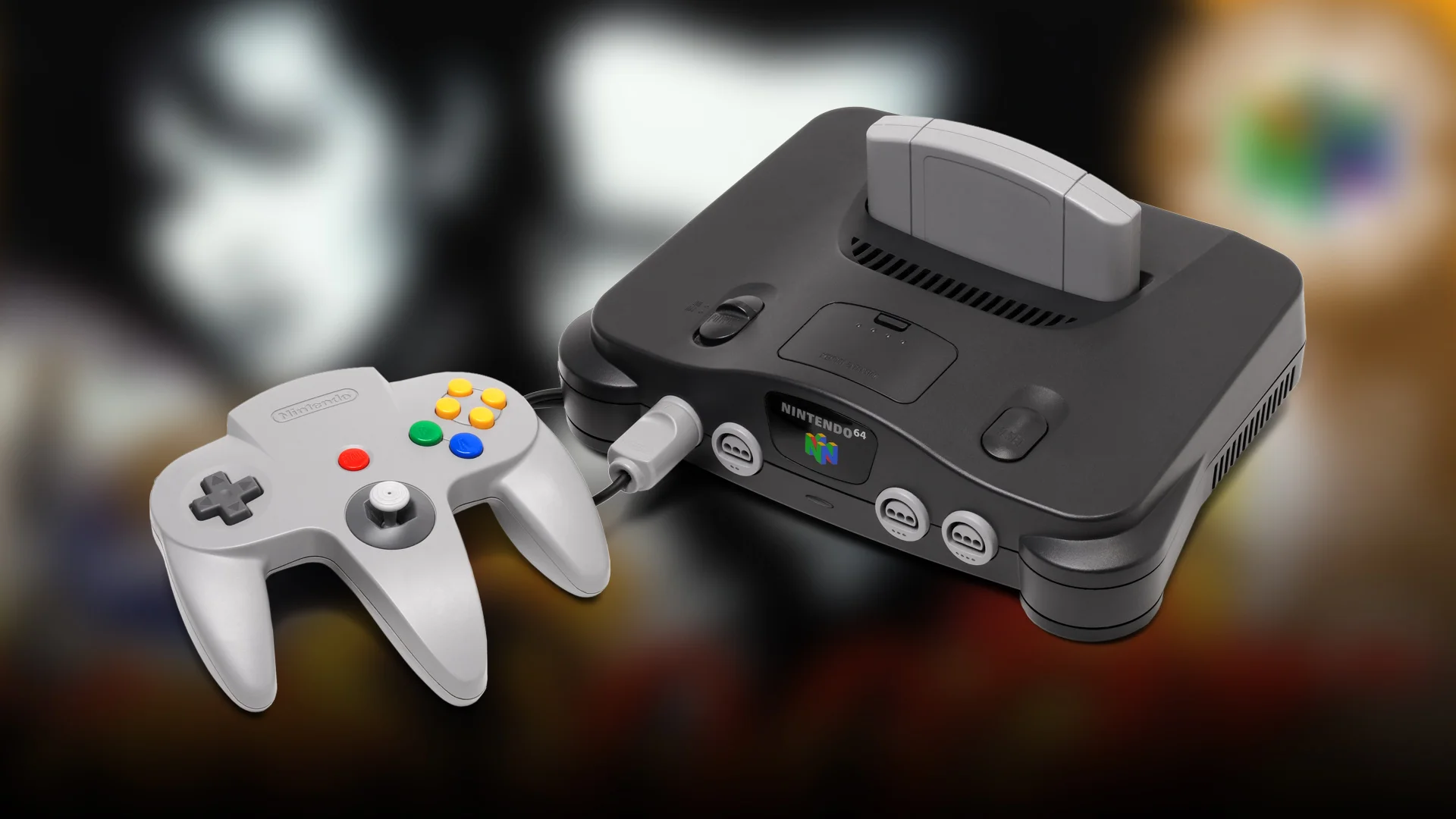
  • Retro Reboot Review: How Does the 2025 *Perfect Dark* Compare to the N64 Original?

    Retro Reboot Review: How Does the 2025 *Perfect Dark* Compare to the N64 Original?

    Introduction

    In the ever-churning cycle of remakes, few names carry the weight of Perfect Dark. The Nintendo 64 classic was a quantum leap for console shooters, blending a complex story with innovative weapons and legendary multiplayer. Now, The Initiative and Crystal Dynamics are rebooting the franchise for a new era.

    The central question is profound: can the 2025 Perfect Dark capture the original’s pioneering spirit while succeeding in today’s vastly different gaming landscape? This analysis compares the core pillars of both games to see how this ambitious reboot measures up.

    Narrative & World-Building: Espionage in Two Eras

    The storytelling in these two titles highlights the medium’s evolution, from constrained, imagination-driven plots to cinematic, world-heavy narratives.

    The N64’s Conspiracy Thriller

    The original delivered a campy, charming sci-fi spy thriller. As agent Joanna Dark, you battled the dataDyne corporation in a tale of alien conspiracies. The story was told through briefings and blocky cutscenes, but its B-movie spirit and memorable characters created a unique identity.

    Due to hardware limits, world-building happened through intuitive gameplay and environmental clues. Exploring locations like the dataDyne Headquarters revealed a cohesive, lo-fi vision of a corrupt near-future. This clever approach let player imagination fill the gaps, fostering a lasting sense of discovery.

    The 2025 Reboot’s Cinematic Immersion

    The reboot charts a more grounded, cinematic path. Set in a near-future Cairo shattered by ecological collapse, it reimagines Joanna as an agent in a world dominated by climate anxiety and corporate power. This shift from global alien conspiracy to “eco-sci-fi” aligns with modern climate narratives.

    “The challenge for modern narrative shooters is balancing cinematic delivery with meaningful player agency—a tightrope walk between movie and game,” observes a lead designer from a comparable AAA project.

    The focus is on environmental storytelling and character depth, using motion capture and detailed worlds to foster emotional investment. It trades the original’s quirky tone for a chance at resonant, immersive storytelling that asks players to care about the world’s fate.

    Gameplay & Mechanics: From Arcade Roots to Modern Immersion

    This is where the games diverge most dramatically, showcasing the genre’s shift from pure action to systemic simulation.

    The N64’s Arsenal & Pure Gameplay

    The original was a masterpiece of inventive weapon design. Its identity was built on the Dual-Weapon System and revolutionary Secondary Fire Modes. Weapons were gameplay modifiers first:

    • The Laptop Gun could be deployed as an autonomous sentry turret.
    • The Reaper was a portable, devastating chaingun.
    • The Farsight could shoot enemies through walls.

    Its legendary Combat Simulator offered near-infinite customization for battles with AI bots. The feel was arcade-perfect: precise, responsive, and designed for mastery through repetition, cementing its status as a pure gameplay icon.

    The Reboot’s Modern Espionage Toolkit

    The reboot is built as a “secret agent thriller” with a heavy emphasis on player choice and immersive sim elements. Inspired by games like Dishonored, Joanna’s toolkit enables multiple solutions:

    • Parkour & Verticality: Navigate a dense, layered Cairo.
    • Gadget-Based Espionage: Tools like the Mag-Seal enable stealthy infiltration.
    • Reactive Environments: A living world that responds to your actions.

    This represents a fundamental shift. Where the original was about memorizing patterns, the reboot is about dynamically adapting. It trades arcade purity for depth and simulation, aiming to make you feel like a cunning agent who outthinks every challenge, a philosophy explored in immersive sim design philosophy.

    Visuals & Atmosphere: A Quantum Leap in Fidelity

    The 25-year technological gap creates a stark contrast, affecting not just aesthetics but how you interact with each world.

    The N64’s Charming, Constrained Vision

    The original was a technical marvel that pushed the N64 to its limits. Its atmosphere was crafted through genius art direction, moody lighting, and an iconic soundtrack. Technical constraints like foggy draw distances are now part of its retro charm.

    Playing it today is an exercise in nostalgic appreciation. You see the limitations, but you feel the immense ambition. It proved that a compelling atmosphere is earned through clever design and stellar audio—a timeless lesson for developers.

    The Reboot’s Next-Gen Showcase

    Built on Unreal Engine 5, the reboot is a visual powerhouse. It depicts a dense, vertical, and lived-in future Cairo with advanced ray tracing and nanite geometry, aiming for total sensory immersion.

    Technical analysis confirms that UE5’s Lumen and Nanite systems are not just for show; they enable richer gameplay through truly tangible, physically credible environments.

    This fidelity is a gameplay foundation. The parkour and environmental manipulation rely on a world that feels authentically solid. The reboot uses its visual prowess as an interactive building block, creating a space you believe you can truly inhabit, a principle supported by Unreal Engine 5’s gameplay innovation potential.

    Multiplayer & Legacy: Defining an Era vs. Entering a New One

    For many, the N64 game was multiplayer. The reboot must carve a space in a market dominated by online services.

    The N64’s Local Legend

    The original’s Combat Simulator is legendary. In the pre-online era, it was a near-infinite playground for local multiplayer. The unparalleled customization of AI bots, win conditions, and maps created endless social fun.

    This aspect is a perfect product of its time and social context. Its spirit lives on, but its specific magic remains a cherished, untouchable moment in gaming history.

    The Reboot’s Modern Multiplayer Challenge

    The reboot’s multiplayer plans are its biggest unknown. Can it capture the original’s chaotic fun in an online ecosystem ruled by giants? A direct copy would likely fail. The opportunity lies in innovative integration:

    1. Immersive Sim PvP: Modes leveraging parkour and gadgets for unique vertical combat.
    2. Co-op Infiltration: Narrative-driven missions designed for two agents.
    3. Customizable Sandboxes: A modern Combat Simulator suite honoring the original’s player agency.

    Its legacy here is unwritten. To succeed, it must offer something as uniquely compelling for the online generation as the N64 did for the living room generation.

    Key Considerations for Modern Players

    Your preference depends on what you value in a game. This breakdown clarifies the core differences between the original Perfect Dark and its modern reboot.

    Perfect Dark: N64 vs. 2025 Reboot – At a Glance
    Feature Perfect Dark (N64 Original) Perfect Dark (2025 Reboot)
    Core Experience Arcade-style FPS with puzzle-like levels Immersive sim/espionage thriller
    Narrative Tone Campy, convoluted sci-fi conspiracy Grounded, cinematic “eco-sci-fi” thriller
    Gameplay Focus Weapon mastery, objective completion, multiplayer Tactical choice, environmental navigation, narrative
    Visual Style Retro, low-poly charm (period masterpiece) Cutting-edge, photorealistic next-gen
    Multiplayer Legendary local/couch play with AI bots Unknown (TBD, likely online-focused)
    Best For Players Who… Love retro design, pure gameplay, local social fun Seek immersive worlds, modern narratives, tactical espionage

    Accessibility Note: The original is accessible via Nintendo Switch Online + Expansion Pack and Xbox’s Rare Replay. The reboot will require Xbox Series X|S or a capable PC, reflecting its next-gen ambitions.

    FAQs

    Is the 2025 Perfect Dark a direct remake of the N64 game?

    No, it is a ground-up reboot and reimagining. While it features Joanna Dark and the core secret agent premise, it introduces a new story (set in an ecologically collapsed Cairo), modern immersive sim gameplay mechanics, and a more cinematic, grounded tone. It is designed as a new entry point for the franchise.

    What platforms will the new Perfect Dark be released on?

    The 2025 reboot has been announced for Xbox Series X|S and PC. It will also be available on Xbox Game Pass from day one. There has been no announcement for PlayStation or Nintendo Switch versions.

    Will the reboot have split-screen multiplayer like the original?

    Details on multiplayer are still unconfirmed. Given the technical demands of its next-gen visuals and the industry’s shift toward online play, full split-screen support seems unlikely. However, the developers may include co-op modes and will likely aim to capture the spirit of customization and fun that defined the original’s legendary Combat Simulator.

    How can I play the original Perfect Dark today?

    The classic N64 title is readily accessible through modern services. You can play it as part of the Rare Replay collection on Xbox One and Series X|S, or via the Nintendo Switch Online + Expansion Pack subscription service, which includes a library of N64 games.

    Conclusion

    The 2025 Perfect Dark is a foundational reimagining, not a remake. It wisely avoids replicating the N64’s specific magic—a product of its time. Instead, it takes the core premise of “Joanna Dark, secret agent” and builds a modern experience around cinematic storytelling, immersive sim gameplay, and contemporary themes.

    This reboot represents a bold bet: that the spirit of innovation, not the specific mechanics, is the true legacy of a classic.

    The original remains an untouchable masterpiece of pure game design. The reboot aims to be a masterpiece of depth, immersion, and narrative heft. They are two distinct visions of excellence, bookending 25 years of gaming evolution. The final verdict awaits release, but one truth is clear: the future of Perfect Dark isn’t living in the past; it’s stealthily carving its own path forward.

  • 10 Essential Tips for Dominating *Project Nova*’s New Ranked Season

    10 Essential Tips for Dominating *Project Nova*’s New Ranked Season

    Introduction

    The launch of a new ranked season in Project Nova is more than a reset—it’s a fresh battlefield where the climb begins for everyone. Whether you’re a veteran targeting the Radiant rank or a dedicated player aiming for Diamond, success demands a complete toolkit. This guide provides ten actionable tips, forged from coaching experience and high-level play analysis, to sharpen your gameplay, refine your strategy, and give you the mental edge to dominate from day one.

    Master the Meta Shift

    Every new season brings balance changes and map adjustments, creating a new tactical landscape. Ignoring these changes is a surefire way to fall behind. Your first mission is to become an expert on the new rules of engagement.

    Analyze Patch Notes and Pro Play

    Treat patch notes like a textbook, not a newsletter. Systematically identify which agents received significant buffs or nerfs. Focus on changes to ability cooldowns, ultimate costs, and effect sizes—these often have the biggest impact. For example, a 20% increase in a flash duration can instantly elevate an Initiator’s priority.

    Pro Tip: Cross-reference official notes with analysis from sites like Blitz.gg for deeper insights. Don’t forget map changes; a single new crate can redefine an entire site. Spend time in custom games learning new angles and watch early tournament VODs to see how pros adapt.

    Adapt Your Agent Pool

    Relying on a single “main” is risky in a shifting meta. Data shows win rates for nerfed agents can plummet by over 15%. The most successful players are flexible. Aim for deep proficiency with at least two agents in different roles (e.g., a Duelist and a Sentinel).

    Proactively practice with a newly buffed agent. If a Controller’s smoke lingers longer, drill one-way setups on every map. Equally, learn the counterplay to top-tier picks. Knowing the audio cue for a powerful new ultimate can win you the round. This dual knowledge makes you a strategic asset, not just a one-trick.

    Sharpen Your Foundational Skills

    Meta knowledge is useless without the mechanics to execute. The ranked ladder rewards consistency, which is built on relentless practice of fundamentals.

    Purposeful Aim Training

    Move beyond mindless deathmatch. Use tools like Kovaak’s or the in-game range for targeted drills. Focus on specific weaknesses:

    • Flicking: Practice “Tile Frenzy” style drills.
    • Tracking: Use “Close Long Strafes” exercises.

    Research in motor learning shows that 15-20 minutes of focused, deliberate practice is more valuable than an hour of autopilot play. Studies on deliberate practice and expert performance underscore the importance of this structured, goal-oriented approach to skill acquisition.

    Recording and reviewing your own gameplay is a cornerstone of improvement. Critically ask: Was my crosshair at head level? Did I counter-strafe? Often, perceived aim issues are actually rooted in poor movement. This objective analysis turns weaknesses into reliable strengths.

    Movement and Utility Mastery

    In Project Nova, movement is your primary defense. Mastering perfect counter-strafing (stopping in 1-2 frames) is essential to win duels. Your utility use must be second nature. This doesn’t mean memorizing 50 line-ups; it means mastering 5-10 highly impactful ones for your main agents on each map.

    Create a personal “playbook” in custom games. Practice throwing that critical molotov to clear a default corner or that recon bolt for a specific post-plant check until it’s muscle memory. The mental bandwidth this frees up allows you to focus on complex strategy and communication.

    Optimize In-Game Strategy and Mentality

    Ranked is a team game. Cultivating a professional-grade strategy and mindset is what separates good players from great climbers.

    Communication and Team Play

    Clear, concise, and positive communication is a force multiplier. Use the “Who, What, Where” model: “Reyna, 50 health, retreating to Hell on A.” Even with silent teammates, providing information creates a net advantage. Always play for the team’s win condition, even if it means a sacrificial play.

    “Focusing on the next decision, not the last mistake, is the cornerstone of competitive resilience.”

    Adopt a “next play” mentality. A lost round is a sunk cost. Verbally reset with your team: “It’s okay, we have a plan for next.” Focusing on the next decision, not the last mistake, is the cornerstone of competitive resilience.

    Mental Resilience and Consistency

    Tilt is the ranked climber’s greatest enemy, leading to poor decisions. Recognize your personal triggers (e.g., negative teammate comments) and have a pre-planned response, like using the mute function liberally. Set process-oriented goals (“I will call every enemy location”) rather than outcome-oriented ones (“I must top frag”).

    Understand that ranking systems measure skill over a large sample size. A 2023 analysis showed consistent performance over 50+ games is a far more accurate rank indicator than a 10-game streak. The principles behind this are grounded in statistical prediction and skill measurement. Trust your preparation, stick to your fundamentals, and the law of large numbers will work in your favor.

    Your Pre-Match and Post-Match Checklist

    Dominating a season requires structured habits. Implement this actionable checklist to bring professionalism to every session.

    1. Warm-Up (10-15 mins): Complete focused aim training targeting a weak point. Play one deathmatch focusing solely on crosshair placement.
    2. Session Goal Setting: Define one specific skill to focus on (e.g., “use my signature ability first in 80% of engagements”).
    3. Post-Game Review (5 mins): Win or lose, use the replay feature to analyze one key round. Identify one success and one costly decision.
    4. Stopping Rule: Set a hard limit (e.g., “stop after 2 consecutive losses”) to prevent tilt and protect your Rank Rating (RR).
    5. Physical & Mental Care: Stay hydrated, maintain good posture, and take a 5-minute screen break between matches.

    Advanced Tactics for the Grind

    To truly separate yourself, you must engage in predictive thinking and ruthless self-analysis.

    Predict and Exploit Patterns

    High-level play is information warfare. From Round 1, gather data: Does the enemy Sentinel always place their trap in the same spot? Does their team favor a specific site on eco rounds? Use this to set adaptive counter-strategies, like a deliberate fake or a utility stack to break their habits.

    Keep a mental tally of the enemy economy. Accurately predicting a force-buy versus a full save lets you recommend optimal weapon choices and positioning to your team, minimizing risk and maximizing economic damage—a core tenet of tactical mastery in competitive gaming. For a deeper dive into in-game economic theory, resources like the economics of game balance in game design provide foundational insights.

    VOD Review Your Own Gameplay

    The most powerful tool for improvement is self-analysis. Regularly review your games, especially close losses. Watch from your perspective to spot micro-errors, then switch to the enemy perspective to see how predictable you were. You’ll often discover you were telegraphing your moves.

    Look for macro-level, recurring errors. Are you consistently late on rotations? Out of sync with your team’s pace? Logging these patterns in a simple spreadsheet over 10 games creates an objective roadmap for improvement, far more effective than guessing.

    Common Ranked Pitfalls & Solutions
    Common Pitfall Data-Driven Solution
    Autopilot Aim Training 15 mins of deliberate, focused drills with a specific goal (e.g., tracking).
    Ignoring the Meta Study patch notes & track agent win/pick rates on stat sites weekly.
    Tilting After Losses Implement a “2-loss stop rule” and review VODs instead of queuing again.
    Poor Economy Management Use a round-by-round economy chart to plan buys with your team.

    FAQs

    How long does it typically take to see rank improvement using these methods?

    Improvement is a process, not an event. If you consistently apply deliberate practice and VOD review, you may notice better decision-making and mechanics within 2-3 weeks. However, significant rank changes (e.g., moving up a full tier) typically reflect 50+ games of sustained, higher-level performance as the ranking system evaluates your skill over a large sample size.

    I’m stuck in a rank. Is my agent pool the problem?

    It can be a factor, especially if your main agent was heavily nerfed. First, check your agent’s win rate on reputable stat sites compared to the meta. More often, being “stuck” is due to inconsistent fundamentals or game sense. Review your last 10 game VODs. If you see the same macro mistakes (poor rotations, timing) regardless of agent, focus on fixing those core issues before switching characters.

    What’s the single most important habit for climbing ranked?

    While all tips are valuable, cultivating a process-oriented mindset is paramount. Focus on executing your game plan, communicating effectively, and making correct decisions—not on your K/D or the outcome of a single round. This reduces tilt, increases consistency, and ensures you are always improving the underlying skills that ultimately determine your rank.

    Conclusion

    Dominating Project Nova‘s new ranked season is a challenge that blends art and science. It requires diligent meta-analysis, mechanics honed through deliberate practice, strategic teamwork, and unshakable mental fortitude.

    By internalizing these ten tips—from structured patch note study to critical VOD reviews—you build a comprehensive toolkit for success. Remember, your rank is a lagging indicator of your consistent process. Focus on incremental improvement, be the supportive teammate, and maintain composure. The ladder awaits. Queue up, apply these strategies, and start your deliberate climb to the top of the esports ladder.

  • The Rise of Haptic Suits: Are Full-Body Immersion Games Worth the Cost?

    The Rise of Haptic Suits: Are Full-Body Immersion Games Worth the Cost?

    Introduction

    For decades, gaming has been a journey for the eyes and ears. We’ve watched graphics evolve from simple pixels to photorealistic worlds and listened as soundtracks became cinematic experiences. Yet, one frontier has remained just out of reach: the sense of touch.

    Enter the haptic suit, a wearable technology designed to close that final gap by letting you feel the game. From the gentle brush of a breeze to the jarring impact of a punch, these suits promise total sensory immersion. But groundbreaking technology often comes with a groundbreaking price.

    This article explores the rapid evolution of haptic suits, the unparalleled immersion they create, and the critical question every gamer must answer: is the dream of feeling the game worth the substantial investment?

    The Evolution of Haptic Feedback: From Rumble to Reality

    The path to full-body sensation didn’t start with complex suits. It began humbly in our hands, setting the stage for the immersive experiences we see today.

    From Simple Rumble to Precision Triggers

    The original PlayStation’s DualShock controller introduced a generation to “rumble” feedback—a simple vibration for crashes and explosions. This was haptics in its infancy. The real leap came with technologies like the HD Rumble in the Nintendo Switch Joy-Cons, which could simulate delicate sensations like rolling dice.

    Advanced controllers like the PlayStation 5’s DualSense then introduced adaptive triggers and nuanced vibrations, letting players feel the tension of a bowstring. These innovations proved that precise touch could deepen gaming experiences significantly.

    Expert Insight: “The shift from single vibration motors to advanced actuator arrays represents a fundamental change,” notes a paper from the IEEE Haptics Symposium. This precision, using components called Linear Resonant Actuators (LRAs), is the foundational technology that makes today’s sophisticated haptic suits possible.

    The Pioneering Steps into Wearable Haptics

    Building on controllers, the industry experimented with wearable gear. Early vests used basic air compression to simulate impacts. The real change began with companies like bHaptics, which integrated networks of tiny, advanced motors.

    These could produce a wide range of sensations—not just “thuds,” but also subtler feelings like a crawling insect or light rain—mapping touch directly to in-game events across the body.

    A Personal Story: Testing an early haptic vest in a VR horror game was a revelation. The expected chest thump from taking damage was one thing, but the unexpected, eerie sensation of a spider crawling up my back caused a genuine, involuntary flinch. This moment proved the technology’s power to trigger instinctual reactions, a level of immersion screens alone cannot provide.

    How Modern Haptic Suits Actually Work

    Today’s leading suits are marvels of engineering, combining hardware, software, and an understanding of the human body to create believable touch.

    The Hardware: A Network of Actuators and Sensors

    A modern suit is a tailored garment embedded with 40 or more tiny actuators, strategically placed over major muscle groups and nerve clusters. High-end suits use precise LRA or voice coil actuators for speed and accuracy.

    Crucially, these suits also contain motion sensors (IMUs) that track your body’s movement, syncing what you see with what you feel. This two-way communication is key to believable immersion.

    • Somatosensory Mapping: Actuator placement isn’t random. It follows principles of human touch perception. For example, an actuator on the forearm’s ulnar nerve path can create a convincing sensation of impact across the entire arm.
    • Technical Hurdles: Suits must manage power and heat. High-fidelity haptics are computationally intense, which is a primary reason for their current high cost and limited wireless battery life.

    Software Integration: The Magic of Haptic Profiles

    Hardware is useless without smart software. Suits operate via dedicated apps for calibration. The real magic is in haptic profiles—detailed scripts that map in-game events to specific actuator responses. When a developer designs a profile for a game like Half-Life: Alyx, they define exactly how and where you’ll feel every action.

    The Compatibility Challenge: A major barrier is the lack of a universal standard. Some suits use proprietary systems, while others support open frameworks. The industry is moving toward standardization, like the OpenXR toolkit, to make development easier and ensure more consistent game support. Until then, experience quality depends heavily on individual game support.

    The Unmatched Immersion: What Does It Really Feel Like?

    Words can only go so far, but users consistently report that haptic suits transform gaming from a passive activity into a physical experience.

    A New Layer of Emotional and Physical Presence

    The immersion is both emotional and physical. Feeling your simulated heartbeat quicken in a horror game triggers a deeper fear response. In a flight simulator, the rumble of engine startup through your seat creates a powerful sense of “being in the cockpit” that visuals alone cannot match.

    This physical presence makes virtual worlds feel startlingly real.

    Research-Backed Benefit: A 2021 study in the International Journal of Human-Computer Studies found that directional haptic feedback (like feeling an impact on one shoulder) significantly improved users’ spatial awareness and task performance in VR. This shows haptics offer more than novelty; they provide real functional benefits for immersive gaming.

    Beyond Gaming: Fitness and Therapeutic Applications

    The value of haptic suits extends beyond play. Fitness is a growing frontier. Imagine a VR boxing game where every punch you throw lands with a satisfying counter-impact, turning a workout into an engaging game.

    There is also promising potential in physical therapy, where precise feedback could guide patients relearning motor skills. Research into haptic technology for rehabilitation highlights how tactile feedback can enhance motor learning and recovery protocols.

    Important Distinction: While the therapeutic potential is exciting, it’s crucial to note that current consumer haptic suits are not FDA-cleared medical devices. However, companies like HaptX are working with institutions on prototypes for professional training, indicating a serious future for the core technology in fields beyond gaming.

    The Stark Reality: Cost, Compatibility, and Comfort

    For all their promise, haptic suits are not simple plug-and-play products. Significant barriers to mainstream adoption remain.

    The Price of Pioneering Technology

    Cost is the biggest hurdle. A full haptic suit from a leading brand can range from $500 to over $2,500. This is a major investment on top of a high-end VR headset and gaming PC.

    Estimated Cost for a High-End Haptic Gaming Setup
    Component Estimated Cost Key Notes
    Full Haptic Suit (Torso, Arms, Legs) $1,200 – $2,500+ Price varies by features and motor count.
    PC VR Headset $1,000 – $1,500 Standalone headsets are cheaper but may add latency.
    Gaming PC for VR + Haptics $1,500 – $3,000+ Requires robust CPU/GPU to handle extra data.
    Total Estimated Investment $3,700 – $7,000+ Does not include cost of games.

    The Challenges of Setup and Support

    Ownership requires a technical mindset. Suits need regular charging, updates, and calibration. Wireless models can have lag, while tethered versions limit movement.

    Most critically, native game support is still rare. Most experiences rely on community-created profiles, which vary in quality. You might have a perfect experience in one game and a buggy one in another. The challenge of developing consistent haptic experiences is acknowledged in industry analysis, such as this Gartner report on immersive technology adoption barriers.

    Practical Reality Check: Calibration isn’t a one-time task. How tightly you wear the suit or what you wear underneath can alter the effects, requiring adjustments each session. Managing multiple batteries for a wireless kit adds a logistical step that doesn’t exist with traditional controllers.

    Making the Decision: A Practical Buyer’s Guide

    If you’re considering the plunge, a methodical approach is essential. Be honest with yourself and follow these steps.

    Key Questions to Ask Yourself

    First, assess your situation honestly. Your answers will steer your decision.

    • Are you a dedicated VR enthusiast or a casual player?
    • Is your budget comfortable with a four-figure experiment?
    • Do you enjoy tweaking tech, or do you need an “it just works” experience?

    Strategic Consideration: Think about your play space and habits. Full-body haptics shine in room-scale VR where you move freely. If you mainly play seated simulations (racing, flight), a high-quality haptic vest or seat pad might offer better value and a more targeted experience than a full suit.

    Steps to a Smart Purchase

    1. Research Extensively: Dive into long-term user reviews and forum discussions. Look for comments on durability, customer service, and update frequency.
    2. Check Game Compatibility: Go to the manufacturer’s website. See if your favorite VR games have official or highly-rated community haptic profiles. Be skeptical of claims of “thousands of supported games,” as many are simple, low-quality conversions.
    3. Consider Starting Small: Think about a modular entry. Companies often sell vests, facemasks, and arm sleeves separately. Starting with a vest alone ($300-$500) is a lower-risk way to test the core technology.
    4. Think About the Future: Ask about upgrade paths, warranty (typically 1 year), and the company’s roadmap. Support is as important as the hardware in a fast-changing field like gaming technology.

    FAQs

    What is the most affordable way to try haptic feedback?

    The most affordable entry point is a high-end game controller with advanced haptics, like the PlayStation 5’s DualSense. For full-body immersion, consider starting with a standalone haptic vest instead of a full suit. Vests from brands like bHaptics or OWO offer a significant taste of the technology for a fraction of the cost of a full kit, often between $300 and $500.

    Do I need a powerful PC to use a haptic suit?

    Yes, a robust PC is highly recommended. Haptic suits add another layer of real-time data processing on top of the demanding requirements of VR. You’ll need a powerful CPU and GPU not only to run the game smoothly but also to process the haptic feedback signals without introducing lag, which can break immersion. For detailed system requirements, resources like the VIVE PC requirements guide provide a useful benchmark for high-end VR systems that would support haptic integration.

    Are haptic suits only for VR gaming?

    Primarily, yes, but not exclusively. While VR provides the spatial context that makes haptics most impactful, some suits offer limited support for traditional flat-screen PC games. The effects are often less nuanced in 2D gaming, as the experience isn’t spatially mapped to your movements in the same way. The best and most supported experiences are overwhelmingly in VR.

    How do I know if a specific game works with my haptic suit?

    Always check the official website of the haptic suit manufacturer. They maintain lists of games with official support and sometimes community-created profiles. Look for games tagged as “Official” or “Highly Rated” by the community. Be wary of generic compatibility claims and always verify before purchasing a game specifically for haptic use.

    Conclusion

    The rise of haptic suits is a thrilling step toward the ultimate goal of virtual reality: true presence. The technology delivers profound, full-body immersion, turning digital actions into physical memories. However, it does so at a high cost and with considerable complexity.

    “Haptic suits are not the final destination, but a bold and expensive first step into a future where touch is a fundamental part of digital interaction.”

    For most gamers, current suits remain a fascinating but impractical luxury. Yet, for the dedicated VR pioneer with the budget and patience, the experience is genuinely revolutionary—a preview of the future of interactive entertainment.

    The question isn’t just about the price tag today, but what value you place on being at the forefront of feeling tomorrow. As standards improve and costs eventually decrease, the day when haptic feedback is a standard part of the gaming landscape draws closer.

  • How to Build a Budget 4K Gaming PC for Under $800 in 2026

    How to Build a Budget 4K Gaming PC for Under $800 in 2026

    Introduction

    Imagine exploring the neon-drenched streets of a futuristic city or the sprawling, sun-dappled forests of a fantasy realm, all in stunning 4K clarity. For years, this immersive experience was a luxury reserved for those with deep pockets, making the very idea of a “budget 4K gaming PC” seem like a contradiction.

    However, the technological landscape is shifting dramatically. By 2026, thanks to rapid innovation, trickle-down technology, and fierce market competition, assembling a powerful 4K-ready system for under $800 is not just a dream—it’s an achievable reality for any informed builder. This guide is your blueprint to that reality.

    As a PC builder with over a decade of hands-on experience, I’ve navigated the budget-building maze countless times, and the value proposition on the horizon is the most exciting I’ve ever seen.

    This guide is engineered from a deep analysis of current market trends, including the predictable depreciation of previous GPU generations and the increasing affordability of once-premium tech like DDR5 RAM and Gen4 NVMe storage. While specific component models and prices for 2026 remain speculative, the core principles of intelligent component selection are timeless.

    Our goal is to arm you with a strategic framework—a way of thinking—that empowers you to make optimal purchasing decisions, dodge common pitfalls, and construct a machine that delivers a breathtaking gaming experience without liquidating your bank account.

    The 2026 Budget 4K Philosophy: Smart Compromises

    The cornerstone of this build isn’t brute force; it’s surgical precision. We are not targeting a 144Hz refresh rate with every graphical setting pushed to “Ultra” in the latest, most demanding AAA titles. Instead, our goal is a consistently smooth and visually stunning experience achieved through intelligent settings management and strategic hardware choices.

    The philosophy is simple: invest heavily in the graphics card, the heart of any 4K build, and make calculated, almost imperceptible compromises elsewhere.

    From my experience, the single biggest mistake new builders make is allocating budget evenly, often overspending on a CPU for a high-resolution build and leaving too little for the all-important GPU.

    Build vs. Buy: A 2026 Perspective
    Feature Custom PC Build (This Guide) Pre-Built PC Gaming Console
    Cost-to-Performance Highest potential value by selecting every part. Lower value due to assembly costs and markup. Good initial value, but often with weaker hardware.
    Upgradeability Excellent. Swap any component at any time. Limited. Often uses proprietary parts. Very limited to non-existent (storage only).
    Component Quality You control 100% of component choice and quality. Often skimps on PSU, motherboard, or cooling. Fixed, non-customizable components.
    Game Library Vastest library across all platforms and stores. Vastest library across all platforms and stores. Limited to a single console ecosystem.
    Convenience Requires research and assembly time. Plug-and-play, but requires setup. Highest convenience, truly plug-and-play.

    Defining “4K Capable” in 2026

    So, what does “4K capable” truly mean when your wallet is on the line? For our sub-$800 build, it means consistently achieving a stable 60 frames per second (FPS)—the gold standard for fluid gameplay—across a vast library of games.

    This is accomplished by using a smart mix of High and Medium settings and, crucially, leveraging game-changing performance technologies like AMD’s FidelityFX Super Resolution (FSR) or NVIDIA’s Deep Learning Super Sampling (DLSS).

    Partnering your PC with a variable refresh rate (VRR) monitor is a non-negotiable part of this strategy. In my own setups, VRR is the secret sauce; it flawlessly smooths out minor, inevitable frame drops, making a dip from 60 to 52 FPS completely unnoticeable and delivering a tear-free, liquid-smooth experience.

    This philosophy also prioritizes building a foundation, not a dead end. We will select a motherboard platform like AMD’s AM5, which is projected to support new CPUs for several years. This foresight ensures your initial $800 investment remains relevant and powerful.

    It transforms your PC from a static appliance into an evolving platform that can be significantly upgraded with a simple CPU or GPU swap down the line, saving you from a costly full rebuild. This is about playing the long game.

    Where to Splurge and Where to Save

    Your budget allocation is the most critical decision you’ll make. For a 4K gaming rig, the hierarchy is clear and unforgiving. Here’s how to distribute your funds for maximum impact:

    • Splurge: Graphics Processing Unit (GPU). This is your undisputed king. Allocate 40-50% of your total budget here ($320-$400). At 4K, the GPU does almost all the heavy lifting, and every extra dollar spent here yields a visible improvement on screen.
    • Balance: Central Processing Unit (CPU). At 4K, the system is almost always “GPU-bound,” meaning the GPU is the bottleneck. A powerful mid-range CPU will easily keep up without holding back performance, making this a prime area to save.
    • Save: Motherboard. A budget-friendly B-series chipset model provides the same core performance and essential features (like Gen4 M.2 slots) as its pricier Z-series or X-series cousins, without the extreme overclocking support that most gamers will never touch.
    • Don’t Skimp: Power Supply (PSU). This is the one component you never cheap out on. A faulty PSU is a system-killer that can destroy your expensive GPU and motherboard. I always advise builders to consult professional, in-depth reviews from trusted sources like the Cybenetics testing program or Gamers Nexus. A reliable 80+ Bronze certified unit from a reputable brand like Seasonic, Corsair, or be quiet! is a mandatory investment in your PC’s health and longevity.

    For other components, smart choices continue to pay dividends. 16GB of DDR5 RAM will be the capacity sweet spot, and for storage, a speedy 1TB NVMe SSD is essential for minimizing load times.

    By focusing your spending where it matters most, you extract every last drop of performance from your budget, creating a system that punches far above its price tag.

    Core Component Breakdown: The 2026 Shopping List

    Forecasting based on current market depreciation and generational shifts, this is a practical look at the component tiers you should target to achieve our sub-$800 goal in 2026. The prices here are educated estimates designed to illustrate the budget allocation and value proposition.

    Projected 2026 Budget 4K Build Component Allocation (Speculative Pricing)
    Component Target Tier / Example Estimated 2026 Price Priority
    GPU AMD RX 7700 XT / NVIDIA RTX 4070 (Previous Gen) $300 – $400 Highest
    CPU AMD Ryzen 5 8600 / Intel Core i5-14600K $180 – $220 High
    Motherboard B650 (AMD) or B760 (Intel) Chipset $100 – $130 Medium
    RAM 16GB (2x8GB) DDR5 6000MHz CL30 $60 – $80 Medium
    Storage 1TB NVMe M.2 SSD (Gen4) $50 – $65 High
    PSU 650W 80+ Bronze Certified (Reputable OEM) $65 – $80 High
    Case Mid-Tower with Mesh Front Panel for Airflow $60 – $80 Low

    CPU & GPU: The Performance Heart

    This is the engine of your rig—the dynamic duo that will render every explosion and every breathtaking vista. By 2026, today’s mid-to-high-end GPUs like the RTX 4070 or RX 7700 XT will have settled into the budget-friendly sweet spot on the new or used market.

    Your primary focus should be on models with at least 12GB of VRAM. As an expert who has benchmarked dozens of cards, I can tell you that 4K textures are incredibly memory-hungry. Demanding titles like Alan Wake 2 can easily exceed 10GB of VRAM usage, causing debilitating stutter on 8GB cards.

    On the CPU side, a capable 6-core/12-thread processor will provide more than enough horsepower for gaming while preventing jarring micro-stutters that can ruin an otherwise smooth experience.

    Achieving a perfect balance between these two is key. While it might seem tempting to get a slightly better CPU, at 4K resolution the rendering workload is so immense that the GPU becomes the primary limiting factor 99% of the time. This allows a modern mid-range CPU to keep pace easily.

    This reality is the core of our budget strategy, allowing you to save significantly on the processor without sacrificing a single frame of tangible gaming performance where it counts most.

    Supporting Cast: Motherboard, RAM, and Storage

    If the CPU and GPU are the engine, these components are the high-performance chassis and support system. Your motherboard choice should be a pragmatic one; for our target CPU platforms, a budget-oriented B-series motherboard offers all the essential features you need.

    Look for one with decent VRM (Voltage Regulator Module) heatsinks—this ensures the CPU gets clean, stable power to maintain its maximum boost clock speeds under load.

    For RAM, 16GB of fast DDR5 (aiming for the 6000MHz CL30 sweet spot for AMD Ryzen) is the baseline. A dual-channel kit (two sticks) is mandatory; running a single stick is like trying to fill a bucket with one narrow hose instead of two—it literally cuts your memory bandwidth in half and cripples CPU performance.

    Storage performance directly impacts your quality of life. A 1TB Gen4 NVMe SSD, with read speeds exceeding 7,000 MB/s, is non-negotiable. This translates to games like Starfield loading new areas in seconds, not minutes.

    Avoid slower SATA SSDs or mechanical hard drives for your operating system and primary game library at all costs. You can always add a larger, cheaper SATA drive later for bulk media storage, but your main drive needs to be lightning-fast. For a deeper dive into the performance differences between storage technologies, the StorageReview comparison of NVMe vs. SATA SSDs provides excellent technical analysis.

    The Build Process: Step-by-Step Assembly

    With your components gathered, the real fun begins. Don’t be intimidated! Assembling a PC is like building with high-tech LEGOs, and with a little patience, it’s one of the most rewarding DIY projects you can undertake.

    Set aside a few hours in a clean, well-lit workspace.

    A critical pro tip I swear by: always perform a “test bench” build on top of your motherboard box before installing anything in the case.

    Assembling the CPU, RAM, and GPU outside the case lets you confirm that the core components power on and post to BIOS, saving you the massive headache of troubleshooting a dead part after it’s been fully installed and cable-managed.

    Preparing the Case and Motherboard

    First, prep the case. Install the motherboard’s rectangular I/O shield into the back of the case—I’ll admit I’ve forgotten this classic rookie step myself, forcing a frustrating rebuild!

    Next, install the brass standoffs, making sure they align perfectly with the mounting holes on your motherboard. Now, shift your focus to the motherboard itself.

    Lift the CPU socket’s retention arm, align the golden triangle on the CPU with the triangle on the socket, gently place it in (no force needed), and lower the arm to lock it. Then, install the RAM sticks, typically into the A2 and B2 slots (the 2nd and 4th from the CPU, but always check your manual), pressing down firmly until both sides click securely into place.

    Installing the M.2 SSD is also far easier at this stage. Locate the M.2 slot, remove the tiny screw (don’t lose it!), slide the drive in at a 30-degree angle, then press it down flat and secure it with the screw.

    With the motherboard fully prepped, you can carefully lower it into the case, aligning it with the I/O shield and standoffs. Secure it with screws, but don’t overtighten—just snug is perfect. This methodical approach prevents mistakes and builds confidence.

    Installing Power and Cooling

    Next, it’s time to install the power supply (PSU). For safety, ensure it’s switched off and unplugged from the wall. Slide it into its compartment and begin routing the main cables: the large 24-pin ATX power to the motherboard, the 8-pin CPU power to the top-left, and the PCIe power cables that will go to the GPU.

    For cooling, while a stock cooler works, a simple $30 aftermarket tower cooler is a fantastic upgrade. It can lower CPU temperatures by 10-15°C, allowing for higher, more sustained boost clocks and a significantly quieter system.

    Finally, install the star of the show: the GPU. Remove the appropriate metal PCIe slot covers from the back of the case. Open the plastic retention latch on the main PCIe x16 slot, align your GPU with the slot, and press down firmly and evenly until it clicks into place. Secure it to the case with thumbscrews, then connect the PCIe power cables from the PSU.

    Expert Tip: If your GPU requires two 8-pin connectors, always use two separate cables from your PSU instead of the “daisy-chained” connectors on a single cable. As confirmed by electrical engineering analysis, this provides cleaner, more stable power delivery, which is crucial for high-performance cards.

    Software, Drivers, and Optimization

    You’ve meticulously built the body of your machine; now it’s time to breathe life into it. A clean operating system install and precise driver configuration are what unlock your hardware’s true potential, ensuring maximum stability and performance. Let’s get it tuned for gaming excellence.

    First Boot and Windows Installation

    Connect your monitor to a port on your new GPU (never the motherboard!), plug in your keyboard and mouse, and hit the power button. Mash the designated key (usually Delete or F2) to enter the BIOS/UEFI.

    First, check that all your hardware (CPU model, RAM amount, SSD) is recognized. Then, perform a crucial step: navigate to the memory settings and enable the one-click overclocking profile, called XMP (for Intel) or EXPO (for AMD). Without this, your expensive 6000MHz RAM will run at a sluggish base speed, leaving significant performance on the table.

    Finally, set your boot priority to the USB drive containing your Windows installer. To create this, always use the official Microsoft Media Creation Tool to guarantee a malware-free installation. Save your changes, exit the BIOS, and follow the on-screen prompts to install Windows.

    Once you’ve booted into Windows, the first order of business is installing drivers. Your most important download is the latest GPU drivers, which you must get directly from the NVIDIA or AMD website. Next, visit your motherboard manufacturer’s support page to download and install the latest chipset driver—this is vital for system stability.

    Steer clear of third-party “driver update” utilities, which often install incorrect drivers and bloatware.

    Game-Ready Optimization Settings

    This is where you become the pilot, not just the passenger. To consistently hit that 60 FPS target at 4K, you’ll need to master in-game settings. Start by enabling your most powerful tool: FSR (set to “Quality” or “Balanced”) or DLSS (“Quality”).

    As the experts at Digital Foundry have repeatedly demonstrated, modern upscaling technologies can boost frame rates by 30-70% or more with a nearly imperceptible impact on image quality at 4K.

    After enabling upscaling, target these high-impact settings for the biggest performance gains:

    • Shadows: Dropping this from Ultra to High is often the single biggest FPS boost you can get, sometimes yielding a 10-15% gain.
    • Volumetric Effects (Fog/Clouds): Another notorious performance hog. Moving this to Medium is a smart trade-off.
    • Ray Tracing: Unless you have a top-tier card, this is usually the first setting to disable entirely for a monumental performance uplift.
    • Ambient Occlusion: Use a less-demanding variant like SSAO instead of the most intensive options.

    Keep your textures set to High or Ultra, as you’ll have the VRAM (12GB+) to support it. This setting has the largest impact on visual fidelity at 4K. For a comprehensive, research-backed look at how different settings affect performance, the TechSpot guide to graphics settings and performance is an invaluable resource.

    Use a tool like MSI Afterburner to monitor your frame rate in real-time as you tweak, finding the perfect balance of performance and visual quality for each game in your library.

    Actionable Build Checklist and Timeline

    Ready to turn this blueprint into your personal gaming powerhouse? Here is a simple, week-by-week mission plan to guide your project from concept to completion.

    1. Mission Briefing (Week 1): Use PCPartPicker.com to finalize your component list; its compatibility checker is invaluable. Set price alerts using browser extensions or sites that track major retailers. Scout for deals on reputable subreddits like r/buildapcsales and trusted marketplaces for used parts.
    2. Acquisition Phase (Week 2-3): Begin purchasing your components, prioritizing deals on the GPU and CPU. Whenever possible, buy from retailers with generous return policies, giving you a safety net in case a part arrives dead on arrival.
    3. Execution – The Build (1 Day): Set aside a dedicated day for assembly. Work slowly, double-check your motherboard manual, and keep a detailed video build guide from a trusted channel like Gamers Nexus or Linus Tech Tips playing on a nearby laptop or tablet.
    4. System Activation (Day 2): Install Windows, update all drivers directly from official manufacturer websites, and install your essential software: a web browser, Steam, and a hardware monitoring tool like HWInfo64.
    5. Tune and Conquer (Ongoing): Install your favorite games and begin the optimization process. Run benchmarks, tweak settings, and push your new system to its limits. Your epic 4K gaming journey has officially begun!

    FAQs

    Is 16GB of RAM really enough for 4K gaming in 2026?

    Yes, for a budget build focused purely on gaming, 16GB will still be the sweet spot. While some professional applications and extreme multitasking benefit from 32GB, most games are not memory-bound in that way. Sticking with a fast 16GB DDR5 kit keeps the build under budget without sacrificing tangible gaming performance. It’s also one of the easiest components to upgrade later if your needs change.

    Why not just buy a gaming console like the PS5 Pro instead?

    While consoles offer convenience, building your own PC provides superior customization, a clearer upgrade path, and better long-term value. You control the quality of every component (especially the PSU and motherboard), and the PC can be used for productivity, streaming, and a vastly larger library of games. This guide’s philosophy is about maximizing performance per dollar, a goal best achieved through a strategic custom build.

    Is it safe to buy a used GPU for a budget build?

    Absolutely, provided you buy from a reputable source. Used GPUs from the previous hardware generation often offer the best performance-per-dollar. Look for sellers with high ratings and a history of positive feedback on platforms like eBay. Always ask for proof that the card is working correctly, and avoid cards that were heavily used for crypto mining, as they may have experienced excessive wear and tear. For official guidance on safe online transactions, the Federal Trade Commission’s guide to online shopping offers excellent consumer protection advice.

    What’s more important for 4K: DLSS or FSR?

    Both are essential upscaling technologies for achieving high frame rates at 4K. NVIDIA’s DLSS often has a slight edge in image quality, while AMD’s FSR is open-source and works on GPUs from all brands. For this build, your choice will be determined by which brand of GPU (NVIDIA or AMD) offers the best value at the time of purchase. You can’t go wrong with either, as both are critical for hitting a stable 60 FPS in demanding titles.

    Conclusion

    Building a sub-$800 4K gaming PC in 2026 is the ultimate exercise in smart, informed decision-making. It’s about rejecting the notion that you need the absolute best of everything.

    By strategically investing in a powerful, last-generation GPU, pairing it with a balanced and efficient CPU, and leveraging the magic of upscaling technologies, the dream of high-fidelity gaming becomes remarkably accessible.

    This build isn’t about maxing out every graphical slider; it’s about harnessing the incredible value of matured technology to craft an immersive, smooth, and breathtaking 4K experience.

    There is nothing quite like the satisfaction of booting up a powerful machine that you researched, sourced, and assembled with your own two hands. The process itself is a rewarding journey that grants you not just a gaming rig, but a deep, practical understanding of the technology that powers your passion.

    The path to glorious 4K gaming is clearer than ever. The knowledge is in your hands—start planning, and get ready to see your games in a brilliant new light.

  • From Agentic AI to Spatial Computing: What’s Next & How to Leverage Changes

    From Agentic AI to Spatial Computing: What’s Next & How to Leverage Changes

    As 2026 approaches, many companies anticipate how the tech landscape will evolve. Knowing about its most vivid trends will help to align with the tech progress and stay competitive in the market. 

    Professional Seisan Technology Consultants have collected information on the most meaningful trends worth special attention as well as integration. You may also leverage them to implement tech solutions that can jeopardize your business growth, making you stand out among competitors without a doubt.

    Agentic AI at a Glance

    While Artificial Intelligence (AI) is an impressive technology by default, Agentic AI goes an extra mile in this context. It can reason, plan, and manage processes with minimal or no human involvement. It is a smart algorithm that can also effectively handle complex processes.

    Agentic AI analyzes real-time data, adapts promptly, detects potential issues, and optimizes workflows, ensuring more effective decision-making. The approach significantly eliminates manual and routine work. It also helps to scale operations and make them more straightforward. 

    Several factors define the capabilities of agentic AI:

    • Environment perception. The technology perceives and interprets real-time data that comes from different sources to understand the current state of the environment it operates in. 
    • Goal management. Once humans set the goals, agentic AI identifies and fulfills the smaller assignments to achieve them.
    • Strategic planning. Agentic AI applies advanced reasoning and learning patterns to determine the most optimal action sequences. 
    • Autonomous execution. The technology is designed to take specific actions to achieve the set goals and to update and adjust its performance when required. 
    • Ongoing adaptation. Agentic AI can learn from feedback loops, past user interactions, and previous outcomes. 

    Why Agentic AI?

    Agentic AI is a strategic approach that greatly eases the lives of business owners and professionals. It implies a wide array of benefits, including these:

    • Increased automation with no strict rules. Traditional automation relies on rigid rules that fail to address potential loopholes. In contrast, agentic AI can operate effectively by leveraging reasoning, real-world data analysis, and contextual understanding.
    • Better real-time responsiveness. When you integrate agentic AI, you don’t need to assign tasks and wait for the results. AI agents can steadily monitor conditions in real time and implement more effective measures immediately, dramatically improving incident resolution.
    • Reduced manual operation. Many data processing tasks envisage manual work that is exhausting and time-consuming. Agentic AI enables users to skip routine tasks and focus on more creative work and strategic goals.
    • Improved scalability. The growth of data volumes and their complexity is unavoidable. Coping with them manually is unlikely to be a realistic and reasonable approach. Agentic AI can scale horizontally, processing data more effectively without requiring the formation of extra hardware resources. 
    A smartphone takes a photo of a laptop screen displaying digital art of a human face with circuit-like patterns, representing a blend of technology and humanity. A blurred version of the image appears in the background. | BeTechIT
    A smartphone takes a photo of a laptop screen displaying digital art of a human face with circuit-like patterns, representing a blend of technology and humanity. A blurred version of the image appears in the background. | BeTechIT

    Spatial Computing Essentials 

    Spatial computing is another impressive technology that derives amazing results. It is even more reasonable to say about the approach since spatial computing actually represents a blend of technologies. It seamlessly integrates digital and physical environments, allowing users to deal with computing engines in a more seamless and immersive way. 

    Among other things, this approach entails the use and integration of technologies such as virtual reality (VR), augmented reality (AR), mixed reality, and extended reality. As you may guess, the list of components is not exhaustive. 

    Spatial computing may be applied beyond entertainment. It is actually a perfect add-on for such sectors as education, manufacturing, finance, and even healthcare. Blending virtual elements with real-life environments is a strategic advancement that delivers a wide array of benefits. 

    Why Spatial Computing?

    Integrating spatial computing may significantly improve processes within and outside the organization. By default, this approach has the following advantages:

    • Enhances experiences. Spatial computing creates a more engaging, interactive digital environment that enables better decision-making and user experiences. It covers all possible aspects of interaction: gestures, voice, movement, etc.
    • Improved collaboration. Different teams, including those operating globally, may leverage spatial computing in shared virtual spaces to make remote collaboration more comfortable and effective. 
    • Immersive training. Spatial computing supports realistic training, helping to grasp the essence and learn how to manage even the most complex processes. It is especially valuable for manufacturing, healthcare services, and emergency response.
    • AI-powered interactivity. Spatial computing is impossible without advanced AI algorithms. They bolster the approach, among other things, by enabling users to understand and compare different environments, personalize suggestions, and automate responses when needed.

    The Core of Post-Quantum Cryptography

    Post-quantum cryptography refers to a wide array of advanced encryption techniques. They are designed to address emerging security threats posed by both classical and quantum computers. The latter allows for processing information at a large scale, as quickly as possible.

    However, post-quantum cryptography relies on certain mathematical models that are deemed to be hard to solve, including by quantum computers. This advancement adds a considerable level of security. Among others, post-quantum cryptography is based on lattice-based and multivariate cryptography, ensuring unparalleled protection compared with classical encryption technologies. 

    Post-quantum cryptography will be especially appreciated in sectors that handle large volumes of consumer and financial data that are traditionally prone to various hacker attacks. Sectors such as finance and healthcare are primary beneficiaries of this technology.

    Why Post-Quantum Cryptography?

    The answer may seem obvious, given the implications highlighted above. Still, this technology is associated with a wide array of benefits:

    • Future security standard. The algorithms of post-quantum cryptography are designed to resist attacks from both traditional and quantum computers, ensuring a high level of data security as cyber threats evolve. 
    • Versatility. Post-quantum cryptography can be successfully used for multiple security needs, including ensuring high protection of digital signatures and key encapsulation. Ensuring secure communication is another significant implication of this technology.
    • Compliance. It ceases to be a challenging issue as the system aligns with existing standards and ensures quick adaptation when they are altered.
    A close-up image of a computer screen displaying lines of blurred, colorful code with some words, such as "function" and "toggle," highlighted in yellow. | BeTechIT
    A close-up image of a computer screen displaying lines of blurred, colorful code with some words, such as “function” and “toggle,” highlighted in yellow. | BeTechIT

    Bottom Line

    The tech landscape is evolving rapidly, giving solutions that impress, upgrade, and immerse. Leveraging tech advancements is not as challenging as it may seem when you entrust making changes to professionals. Seisan Technology Consultants know these and many other advanced technologies above and beyond. Request a professional consultation and custom solutions to bolster your business processes shortly!