Betechit.com

  • Amazon Echo – What it Is and How to Use It

    Amazon Echo – What it Is and How to Use It

    The Echo smart speaker by Amazon is one of the most popular devices in the smart home right now. Despite the fact that it has been available since late 2014, the Echo has only become more and more popular. It’s easy to see why – this little device can do so much. You can ask your Echo questions, play music from Spotify or Pandora, check the weather, read news headlines, control your home appliances and much, much more. With so many features and capabilities packed into a small package, it’s understandable that some people have trouble figuring out what an Amazon Echo is and how to use one. Once you get acquainted with this nifty little device though things will start falling into place quickly. In this article we’ll take a look at everything you need to know about Amazon’s Echo smart speaker along with suggestions on how to get started with it once you own one of these cute gadgets

    What is an Echo?

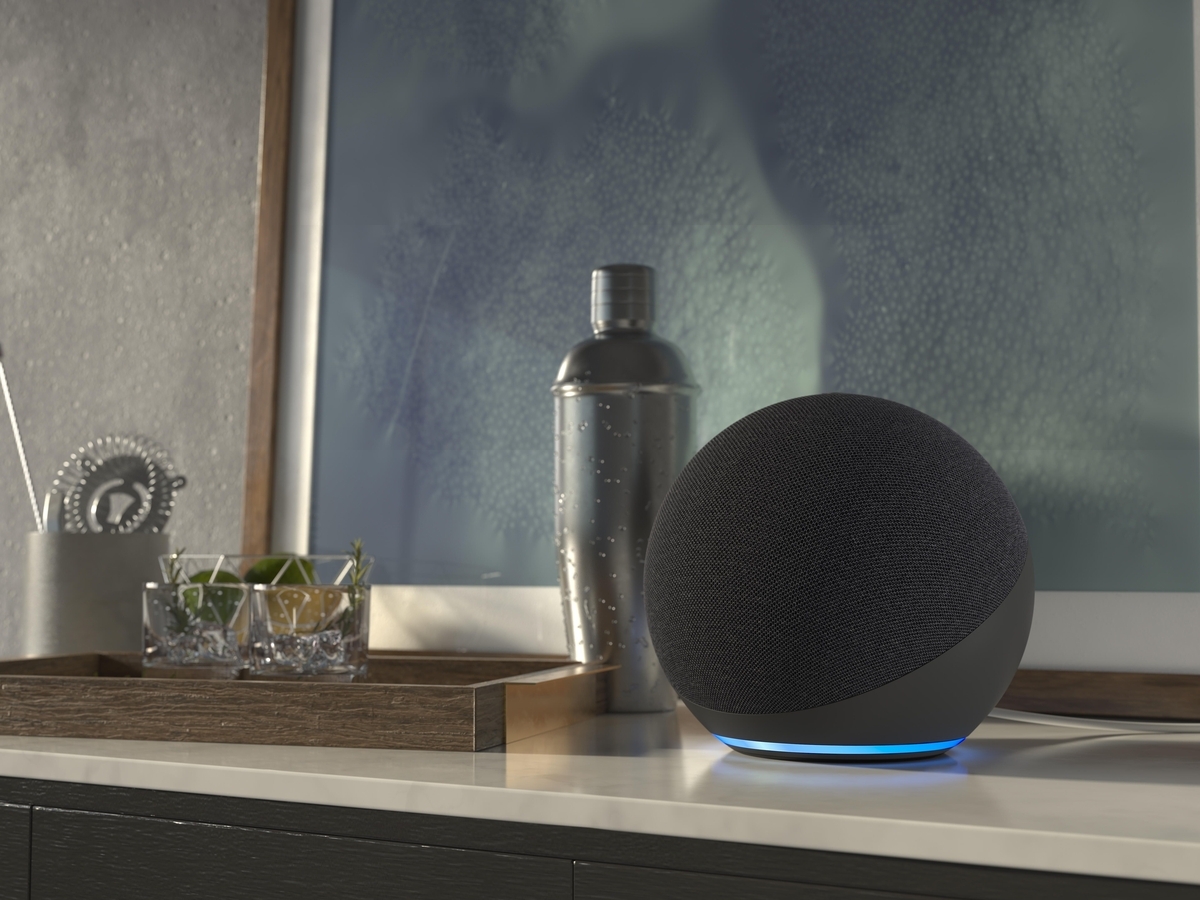
    The Echo is a cylindrical smart speaker that wirelessly connects to your Wi-Fi network. It’s a hands-free speaker that lets you ask questions, play music, control your smart home devices, read the news and more all with just your voice. The Echo is equipped with the Alexa Voice Assistant, which means it can understand your voice and respond to you as if a friend is speaking to you. There are dozens of Skills available for Alexa that allow you to do everything from playing games to ordering food. The Amazon Echo is one of the best smart speakers you can buy.

    Alexa – The Voice Behind the Echo

    Alexa is the name of the voice that powers your Echo device. Alexa is always listening, so you can use your voice to find information, set alarms, order food and drinks, control your home’s devices and much, much more. Alexa supports hundreds of Skills, which allow you to do all kinds of things. For example, you can ask Alexa to play music, control your lights and thermostat, read the news headlines, control your smart home and more. Alexa gives you access to dozens of Skills that allow you to do everything from ordering food to asking questions and getting sports scores. You can also create Skills and upload them to the Alexa Skill Store to let other people use them too.

    How to Set Up Your Amazon Echo

    Setting up an Echo is easy. First, you’ll need to connect your Echo to a power source. After that, you’ll need to connect the Echo to your Wi-Fi network and then turn on the Bluetooth feature on your Echo. Once both of these things are done, you can start setting up your voice assistant. The Echo has a very simple setup process. First, you’ll need to press the power button half-way to wake it up. Then, you’ll need to say your PIN. If you’ve never set up an Alexa device before, you can find the PIN on the bottom of your Echo. You can also find your PIN on the settings section of your Echo. After that, you can start setting everything up. To find Alexa’s skills, go to your Echo settings screen and select the Alexa option.

    Saying Hello to Alexa

    To start using Alexa, you’ll need to say “Alexa” to get her attention. After that, you can start asking questions and controlling your smart home devices. If you want to talk to Alexa, you can also say, “Alexa,” “Alexa, open,” “Alexa, turn on,” or “Alexa, off.” You can also say, “Alexa, what’s the weather like today?” “Alexa, play my music,” or “Alexa, play Bruno Mars.” You can also say things like, “Alexa, I’m hungry,” or “Alexa, I want pizza.” To get more specific commands, you can say, “Alexa, order me a vegetarian pizza from Domino’s,” or “Alexa, play my Sesame Street playlist” To pause your music, say, “Alexa, pause my music,” or “Alexa, play my song from the start.” You can also say things like, “Alexa, when is my next appointment?” or “Alexa, what is the traffic like on the highway?”

    Read What is the Difference Between Blink and Ring? Which One Should You Buy?

    List of Alexa Skills You Can Use with an Echo

    The list of Skills available on the Alexa website is massive. You can find hundreds of Skills that let you ask questions, check the weather, play music, control your smart home devices and more. You can also find a Skill that lets you talk to Alexa like a dog. There are Skills to control Amazon Fire TV devices, to control your lights and thermostat, to play music, and so much more. You can also find Skills that let you use with Echo devices other than the original Echo speaker. You can find Skills that let you control an Echo device using the Alexa mobile app, or an Alexa-enabled device like a Smart TV or something else.

    Conclusion

    The Amazon Echo is one of the most popular smart home devices on the market. It’s a hands-free speaker that lets you ask questions, play music, control your smart home devices, read the news and more all with just your voice. The Echo is equipped with the Alexa Voice Assistant, which means it can understand your voice and respond to you as if a friend is speaking to you. There are dozens of Skills available for Alexa that allow you to do everything from ordering food to asking questions and getting sports scores. The Echo is easy to set up and use, and it also has a ton of great features. The Echo is a great choice for anyone who wants to control their home with the sound of their voice, or anyone who just wants to play music or listen to the news while they cook or clean.

  • Unlock the Potential of a Smart Home with the Google Home Hub!

    Unlock the Potential of a Smart Home with the Google Home Hub!

    Are you wondering how to turn your home into a smarter and more connected living space? If so, the Google Home Hub is the perfect solution! With the Google Home Hub, you can unlock the potential of a smart home and get access to a host of features that make life easier – it’s the Internet of Things in your home. This guide will give you an overview of the Google Home Hub and provide tips on how to set it up and get the most out of it. So let’s get started!

    Introduction to Smart Homes

    A smart home is a home that is equipped with a range of internet-connected devices that can be controlled remotely. This means that you can turn on lights, set the thermostat, lock doors, and even control appliances from your phone or computer. Smart homes, like Smart Cities, also have advanced security features, such as motion sensors and doorbell cameras, that allow you to monitor your home from anywhere.

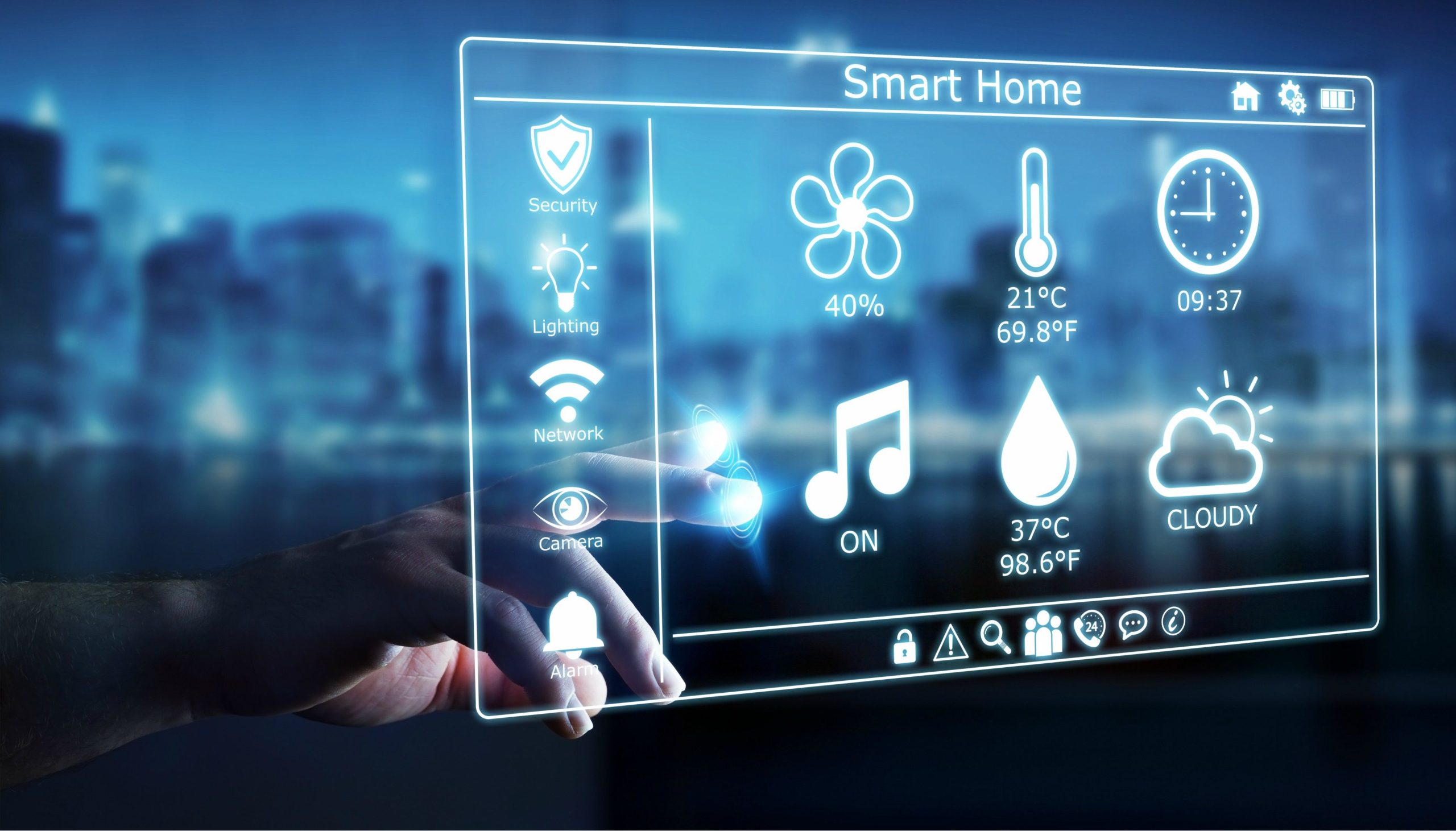
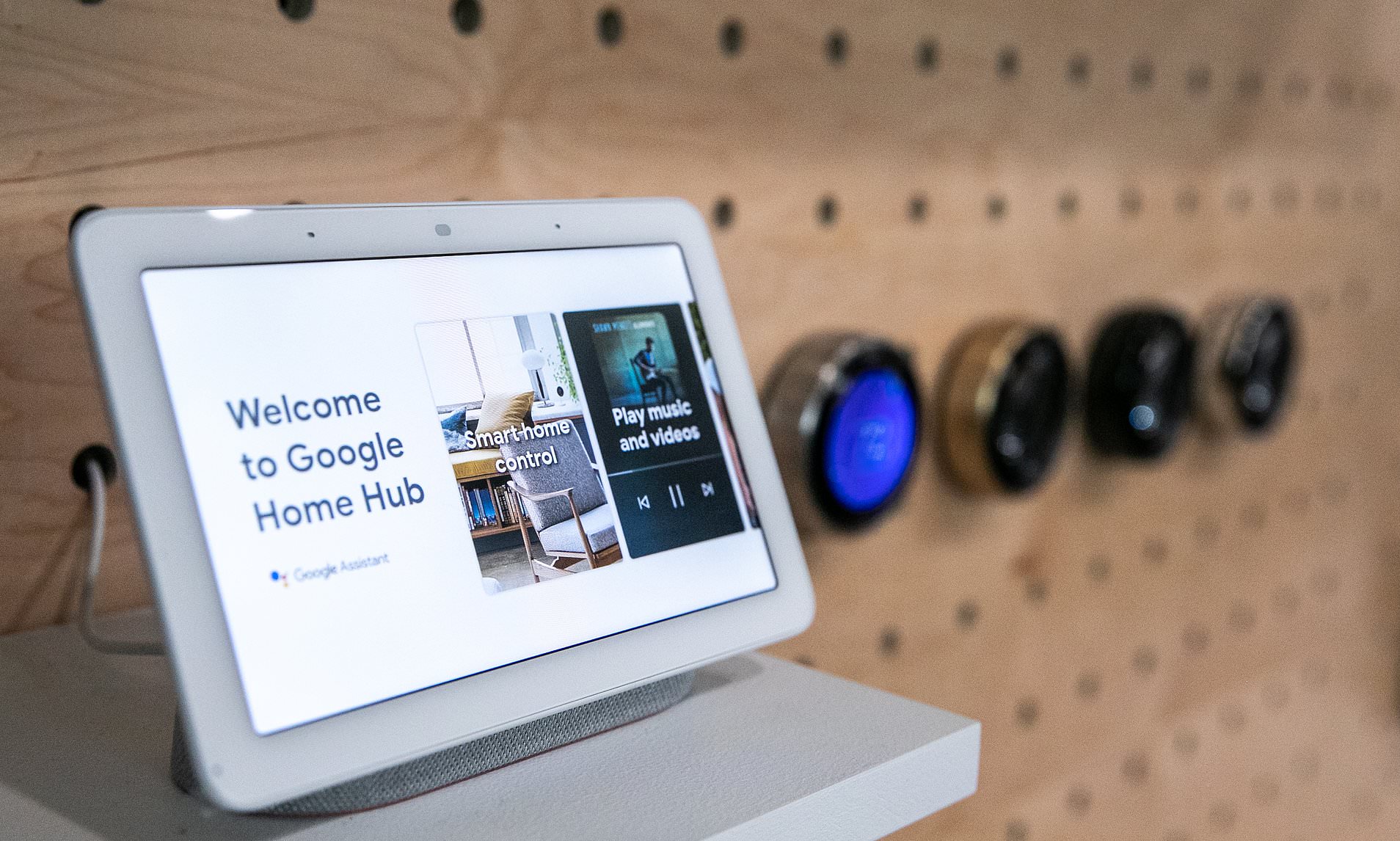
    The Google Home Hub is a smart home device that connects to your Wi-Fi network and allows you to control and manage your smart home. It has a built-in speaker and microphone, so you can use voice commands to control your devices. The Google Home Hub also has a 7-inch touchscreen display, which makes it easy to view and manage your smart home devices.

    Understanding the Google Home Hub

    The Google Home Hub is a voice-controlled device that allows you to control and manage your smart home. It is powered by the Google Assistant, which is a virtual assistant that can answer questions, set reminders, and control your smart home devices. The Google Home Hub connects to your Wi-Fi network and can be used to control a range of smart home devices, such as lights, thermostats, and security cameras.

    The Google Home Hub is a compact device with a 7-inch display. It has a 2MP camera and a built-in speaker and microphone, so you can use voice commands to control your devices. The Google Home Hub also has access to a range of third-party services, such as Netflix and Spotify.

    Benefits of Using the Google Home Hub

    The Google Home Hub offers a range of benefits for users. Firstly, it is easy to set up and use. All you have to do is plug in the device and connect it to your Wi-Fi network. Once it is connected, you can use the Google Home app to control and manage your smart home.

    The Google Home Hub also offers a range of features and services. For example, it can be used to control lights, thermostats, and other smart home devices. It also has access to a range of third-party services, such as Google Maps and Spotify. Additionally, it can be used to control and manage a range of Google products, such as Chromecast and Nest.

    The Google Home Hub also offers a range of security features. It has a built-in camera and microphone, so you can monitor your home from anywhere. It also has a two-factor authentication system, so you can be sure that your home is secure.

    Smart Home Features Enabled by Google Home Hub

    The Google Home Hub can be used to control a range of smart home devices, such as lights, thermostats, security cameras, and appliances. It can also be used to control a range of Google products, such as Chromecast and Nest. Additionally, the Google Home Hub has access to a range of third-party services, such as Netflix and Spotify.

    The Google Home Hub also has a range of security features. It has a built-in camera and microphone, so you can monitor your home from anywhere. It also has a two-factor authentication system, so you can be sure that your home is secure. Additionally, the Google Home Hub has a range of features that can help you save energy and money. For example, it can be used to control lights and thermostats, so you can save energy and money on your utility bills.

    Setting Up and Configuring the Google Home Hub

    Setting up and configuring the Google Home Hub is easy. All you have to do is plug in the device and connect it to your Wi-Fi network. Once it is connected, you can use the Google Home app to control and manage your smart home.

    To set up the Google Home Hub, you will need to download the Google Home app. Once you have installed the app, you can follow the on-screen instructions to connect the device to your Wi-Fi network. Once it is connected, you can use the app to control and manage your smart home devices.

    The Google Home app also allows you to configure the Google Home Hub. You can adjust the settings to suit your preferences, such as setting voice commands and managing connected devices. Additionally, you can set up a range of third-party services, such as Netflix and Spotify.

    Connecting Devices to the Google Home Hub

    The Google Home Hub can be used to connect a range of devices to your Wi-Fi network. To connect a device, you will need to use the Google Home app. Once you have installed the app, you can follow the on-screen instructions to connect the device.

    Once the device is connected, you can use the Google Home app to control it. For example, you can use the app to turn lights on and off, set the thermostat, lock doors, and even control appliances. Additionally, you can use the app to manage and configure your connected devices.

    Managing Your Smart Home with the Google Home Hub

    The Google Home Hub makes it easy to manage your smart home. You can use the Google Home app to control and manage your devices. Additionally, the Google Home Hub has a range of features that can help you save energy and money. For example, it can be used to control lights and thermostats, so you can save energy and money on your utility bills.

    The Google Home Hub also makes it easy to stay connected. You can use the Google Home app to control a range of third-party services, such as Netflix and Spotify. Additionally, the Google Home Hub has a range of security features, such as motion sensors and doorbell cameras, that allow you to monitor your home from anywhere.

    Troubleshooting and Support for the Google Home Hub

    The Google Home Hub is easy to set up and use, but if you have any problems, there is a range of support options available. If you have any technical issues, you can contact the Google Home support team for help. Additionally, there is a range of online resources available, such as user guides and tutorials, that can help you troubleshoot any issues.

    If you have any problems setting up or using the Google Home Hub, you can contact the Google Home support team. The team can provide technical support and advice on how to get the most out of the device. Additionally, there are a range of online resources available, such as user guides and tutorials, that can help you troubleshoot any issues.

    Integrating Third-Party Services with the Google Home Hub

    The Google Home Hub can be used to control a range of third-party services, such as Netflix and Spotify. To use these services, you will need to download the corresponding app and sign in with your account. Once you have done this, you can use the Google Home app to control the service.

    Additionally, the Google Home Hub can be used to control a range of Google products, such as Chromecast and Nest. To use these products, you will need to download the corresponding app and sign in with your account. Once you have done this, you can use the Google Home app to control the product.

    Conclusion

    The Google Home Hub is a great way to turn your home into a smarter and more connected living space. It has a range of features and services, such as voice control, security features, and access to third-party services. It is also easy to set up and use, so you can get the most out of your smart home.

    So if you are looking to unlock the potential of a smart home, the Google Home Hub is the perfect solution. With the Google Home Hub, you can control and manage your smart home with ease. So what are you waiting for? Get your Google Home Hub today and start unlocking the potential of a smart home!

  • The Benefits of Smart Home Devices: Unlock the Possibilities of a Connected Home

    The Benefits of Smart Home Devices: Unlock the Possibilities of a Connected Home

    Are you looking to upgrade your home with the latest technologies? Smart home devices are among the most popular and innovative inventions of the modern era. These intelligent devices have revolutionized the way we interact with our homes and are making our lives much easier. From security cameras to smart lights, the possibilities are endless when it comes to smart home technology. In this blog, we’ll explore the benefits of smart home devices, their security, the top devices to consider, tips for setting them up, compatibility issues, and courses for setting up and using them. Let’s dive in!

    What are Smart Home Devices?

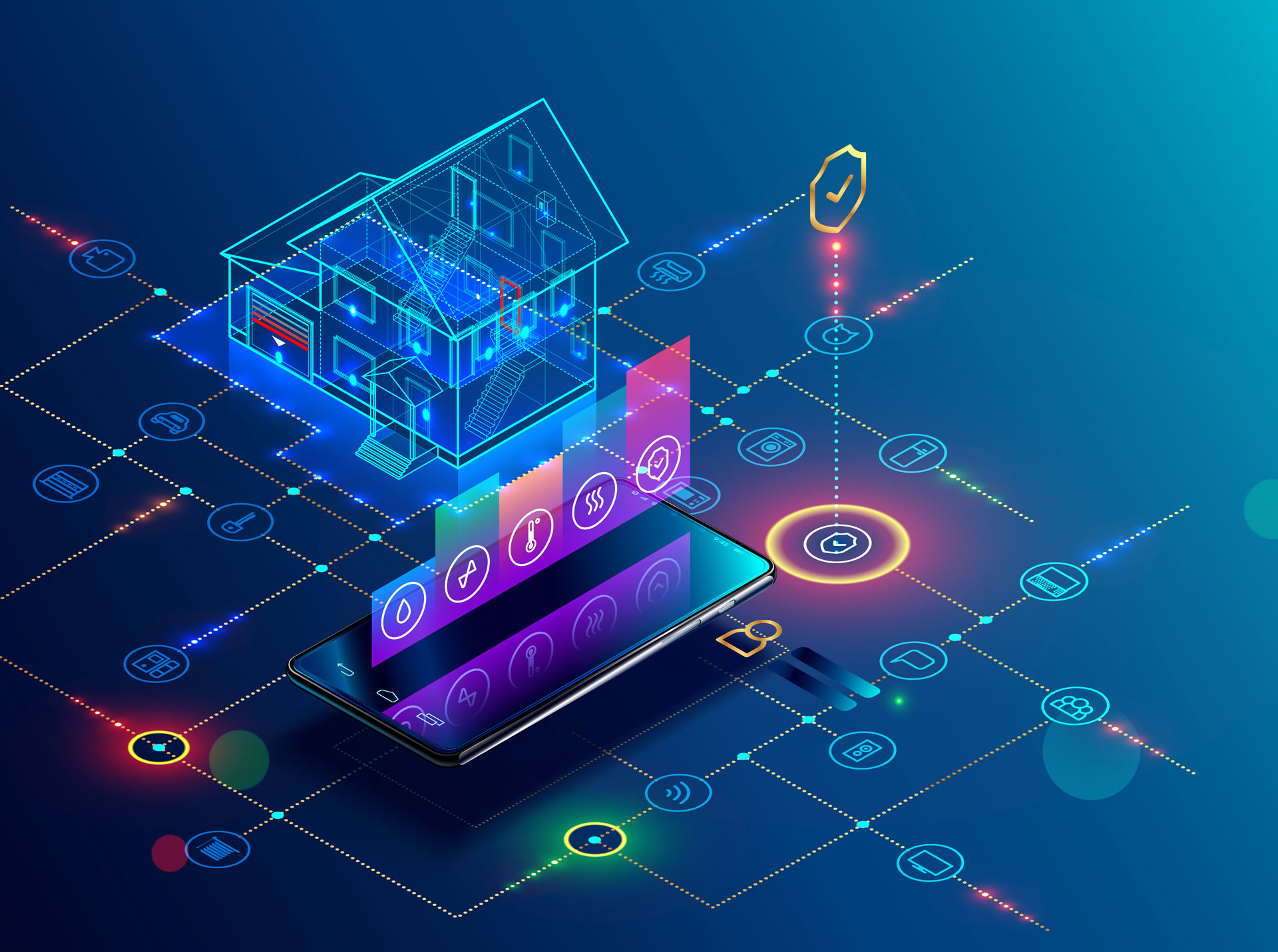
    Smart home devices are a type of technology that can be connected to the internet of things and controlled remotely. This allows you to control your home from anywhere in the world using your smartphone, tablet, or computer. Smart home devices come in a variety of shapes and sizes, from lightbulbs and security cameras to thermostats and door locks.

    These devices can be used to automate tasks such as turning on the lights, setting the temperature, or even locking the front door. They can also be used to monitor your home for security purposes, allowing you to keep an eye on your property even when you’re away. With a smart home, you can rest assured that your home automation is safe and secure.

    Benefits of Smart Home Devices

    Smart home devices offer a wide range of benefits that make them a great addition to any home. Here are just a few of the advantages of owning a smart home:

    • Convenience: Smart home devices make everyday tasks much easier. With just a few taps on your smartphone, you can control the temperature, lights, and security systems in your home. This eliminates the need to manually adjust settings and makes life much more convenient.
    • Energy Efficiency: Smart home devices can help you save energy by automatically turning off lights and appliances when they’re not in use. This can help reduce your energy bills and protect the environment.
    • Security: Smart home devices can be used to monitor your home for security purposes, allowing you to keep an eye on your property even when you’re away. This can help deter burglars and give you peace of mind.

    Smart Home Device Statistics

    Smart home devices are becoming increasingly popular. According to a report from Statista, the global smart home market is expected to reach $53.45 billion by 2022. In addition, the report found that the number of smart home device users is expected to grow from 462 million in 2018 to 974 million by 2021.

    These statistics show that the market for smart home devices is growing rapidly. This is likely due to the increasing availability of devices and the growing demand for convenience and security.

    Smart Home Device Security

    When it comes to security, it’s important to be aware of the potential risks associated with smart home devices. As with any connected device, smart home devices are vulnerable to cyberattacks. Hackers may be able to access your home network and gain access to your personal data.

    Fortunately, there are several steps you can take to protect your smart home from cyberattacks. Make sure to use strong passwords for all of your devices and avoid connecting to public Wi-Fi networks. You should also use encryption for any data that you store on your devices. Finally, you should keep your devices up to date with the latest security patches.

    The Top Smart Home Devices

    When it comes to setting up a smart home, there are a variety of devices to choose from. Here are some of the top smart home devices that you should consider:

    • Smart Lights: Smart lights allow you to control the lighting in your home remotely. You can set them to turn on and off at certain times, dim them, or even change the colors.
    • Smart Thermostats: Smart thermostats can help you save energy by automatically adjusting the temperature in your home. They can also be programmed to turn on and off at certain times.
    • Security Cameras: Security cameras are one of the most important smart home devices. They allow you to monitor your home for security purposes, giving you peace of mind when you’re away.
    • Smart Locks: Smart locks allow you to lock and unlock your doors remotely. This can be a great way to make sure that your home is secure when you’re away.

    Tips for Setting Up a Smart Home Device

    Setting up a smart home can be a daunting task. Here are some tips to help you get started:

    • Start small: You don’t need to buy all of the latest gadgets to have a smart home. Start with a few basic devices such as smart lights and a thermostat.
    • Research your options: Spend some time researching the different devices available and compare features. Consider both budget and features when making your decision.
    • Get help: If you’re having trouble setting up your devices, don’t hesitate to seek help. Many companies offer guides and tutorials to help you get started.

    Smart Home Device Compatibility

    One of the most important things to consider when buying smart home devices is compatibility. Not all devices are compatible with each other, so it’s important to make sure that the devices you choose are compatible with your existing technology.

    The best way to ensure compatibility is to buy devices from the same manufacturer. This ensures that all of your devices will work together seamlessly. You should also make sure to check reviews and do your research before making a purchase.

    Courses for Setting Up and Using Smart Home Devices

    If you’re interested in setting up a smart home, there are a variety of courses available to help you. These courses can teach you the basics of setting up and using smart home devices, as well as more advanced topics such as security and automation.

    These courses can be taken online or in person. They range from short tutorials to multi-week courses. No matter your level of expertise, there’s sure to be a course that’s right for you.

    FAQs About Smart Home Devices

    Q: Are smart home devices secure? A: Yes, smart home devices are generally secure. To ensure the security of your devices, make sure to use strong passwords and keep your devices up to date with the latest security patches.

    Q: What are the benefits of smart home devices? A: Smart home devices offer a wide range of benefits, including convenience, energy efficiency, and security. They can also help you save time and money by automating everyday tasks.

    Q: What are the top smart home devices? A: Some of the top smart home devices include smart lights, thermostats, security cameras, and locks.

    Conclusion

    Smart home devices are becoming increasingly popular, and it’s easy to see why. They offer a wide range of benefits, from convenience and energy efficiency to security. With the right devices, you can transform your home into an automated, connected space that’s secure and efficient.

    If you’re thinking of setting up a smart home, make sure to do your research and choose devices that are compatible with each other. You should also consider taking a course to learn the basics of setting up and using smart home devices.

    Now that you know the benefits of smart home devices and how to set them up, why not give them a try? Unlock the possibilities of a connected home with smart home devices and make your life easier.

    Are you ready to get started? [CTA]

  • Unlock the Potential of Home Automation – Transform Your Home Today!

    Unlock the Potential of Home Automation – Transform Your Home Today!

    Have you ever wished you could control your home with the press of a button? Home automation has made that dream a reality! Home automation technology is becoming increasingly popular due to its ability to provide convenience, security, and energy savings. Whether you’re looking to install a full home automation system or just add a few smart home devices, this article will explore the different types of home automation technology and provide tips on selecting and installing the right system for your home.

    What is Home Automation?

    Home automation is the automation of various home systems and appliances. It involves the use of devices and software to control and manage a wide range of home functions, from lighting and temperature control to security and entertainment. Home automation can be divided into two categories: active and passive. Active home automation systems allow users to control their home with the press of a button, while passive home automation systems are designed to work autonomously, without requiring direct user input.

    There are a variety of home automation systems available on the market today, from simple DIY solutions to sophisticated, integrated systems. Home automation can be used to control lights, appliances, security systems, HVAC systems, and more. With the help of home automation, you can set customized schedules for different devices and activities, as well as remotely monitor and control them.

    Benefits of Home Automation

    Home automation offers a wide range of benefits to homeowners. For one, it can increase the security of your home by allowing you to monitor and control your home remotely. You can also save energy and money by setting up automated schedules for your devices and appliances, so they only run when you need them.

    Home automation can also make life more convenient. You can use home automation to control your lights, music, and other devices from anywhere in the world. This means you can turn on the lights in your living room from the comfort of your bed, or play your favorite music from your smartphone.

    Finally, home automation can make your home more comfortable. You can adjust the lighting and temperature of your home to create the perfect atmosphere for any occasion. You can also set up automated alerts to keep you updated on events such as power outages, carbon monoxide levels, and more.

    Types of Home Automation Systems

    There are a variety of home automation systems available on the market today. The most common types of home automation systems include:

    • Standalone Systems: Standalone systems are the simplest type of home automation system. These systems are usually composed of a controller and sensors, which can be used to control lighting, temperature, and other devices. Standalone systems are easy to install and maintain, making them a great option for DIYers.
    • Home Network Systems: Home network systems are more complex than standalone systems, as they allow you to connect multiple devices and sensors to a single network. These systems are usually controlled by a single hub or gateway, which can be used to control all the devices and sensors in your home. Home network systems are typically more expensive than standalone systems, but they offer greater control and flexibility.
    • Smart Home Platforms: Smart home platforms are the most advanced type of home automation system. These platforms are composed of a variety of connected devices and sensors, which can be used to control and monitor your home. Smart home platforms are typically the most expensive type of home automation system, but they offer the greatest level of control and flexibility.

    Home Automation Technology Innovations

    The home automation industry is constantly evolving, with new technologies and products being released every year. There are a number of new innovations in home automation technology, including voice-activated systems, wireless sensors, and intelligent lighting systems.

    Voice-activated systems allow users to control their home with the sound of their voice. These systems are typically connected to a voice assistant, such as Amazon Alexa or Google Home. With these systems, you can use voice commands to control your lights, thermostat, security system, and more.

    Wireless sensors are another new technology in home automation. These sensors are small, battery-powered devices that can be placed around your home to monitor and detect changes in temperature, humidity, and other environmental factors. These sensors can also be used to detect motion and sound, allowing you to keep an eye on your home when you’re not there.

    Finally, intelligent lighting systems are becoming increasingly popular in home automation. These systems allow you to control and adjust the lighting in your home with the press of a button. You can set up custom lighting scenes to create the perfect atmosphere for any occasion.

    Selecting the Best Home Automation System for Your Home

    When selecting a home automation system, it’s important to consider your needs and budget. Standalone systems are usually the most affordable option, but they offer limited control and flexibility. Home network systems offer more control and flexibility, but they are usually more expensive. Smart home platforms are the most expensive, but they offer the greatest control and flexibility.

    It’s also important to consider the type of devices and sensors you want to control. Different home automation systems support different types of devices, so make sure to do your research before you buy. Once you’ve chosen a system, you’ll need to purchase compatible devices and sensors.

    Finally, consider the installation process. Standalone systems are usually the easiest to install, while home network systems can be more complicated. Smart home platforms are the most complex, as they require the installation and setup of multiple devices and sensors.

    Home Automation Installation Tips

    Once you’ve selected a home automation system and purchased the necessary devices and sensors, it’s time to install them. Here are a few tips to make the installation process easier:

    • Read the instructions carefully and follow them step-by-step.
    • Make sure all the devices and sensors are compatible with your home automation system.
    • Take your time and double-check all the connections.
    • Test each device and sensor before you move on to the next one.
    • Make sure to secure all the devices and sensors to prevent them from being tampered with.

    Home Automation Safety Considerations

    When installing a home automation system, it’s important to consider safety. Home automation systems involve the use of electrical devices and wiring, which can be dangerous if not handled properly. Here are a few safety tips to keep in mind:

    • Make sure all the devices and sensors are installed in accordance with local building codes.
    • Avoid installing devices and sensors in wet or damp areas.
    • Make sure all the wiring is properly insulated to prevent shocks.
    • Make sure to label all the wiring and devices to prevent confusion.
    • Test all the devices and sensors after installation to make sure they are working properly.

    Home Automation Cost Comparison

    The cost of a home automation system can vary significantly depending on the type of system you choose and the number of devices and sensors you need. Standalone systems are usually the most affordable option, while home network systems and smart home platforms are usually more expensive. It’s also important to consider the cost of the devices and sensors, as these can quickly add up.

    Home Automation Trends for the Future

    Home automation technology is constantly evolving, and new trends are emerging every year. In the near future, we can expect to see more widespread use of wireless sensors, voice-activated systems, and intelligent lighting systems. We can also expect to see more integration between home automation systems and other technologies, such as artificial intelligence and the Internet of Things.

    Conclusion

    Home automation technology is becoming increasingly popular due to its ability to provide convenience, security, and energy savings. There are a variety of home automation systems available, from simple DIY solutions to sophisticated, integrated systems. When selecting a home automation system, it’s important to consider your needs and budget. Once you’ve selected a system, make sure to follow safety guidelines and take your time when installing it.

    If you’re interested in transforming your home with the power of home automation, now is the perfect time to get started! Unlock the potential of home automation and start transforming your home today!

    If you need help selecting and installing the right system for your home, [contact us today] and our team of experts will be happy to assist you.

  • Exploring the Benefits of Connected Cars: How They Are Changing the Future of Transportation

    Exploring the Benefits of Connected Cars: How They Are Changing the Future of Transportation

    The car is no longer a standalone mode of transportation: welcome to the Internet of Things! With the advent of connected car technology, vehicles now have the ability to communicate with each other and the world around them. This has revolutionized the landscape of transportation, providing drivers with a wide variety of advantages that are transforming the future of travel. Connected cars provide new capabilities such as real-time traffic updates, improved safety features, and increased connectivity to other services such as entertainment and navigation. In addition, connected cars are helping to reduce emissions and conserve fuel, marking them as an integral part of any sustainable transportation plan. As connected car technology continues to evolve, the possibilities are endless. With new developments such as autonomous vehicles, connected cars are becoming an integral part of our lives, offering drivers a unique and improved experience on the road.

    Definition of Connected Cars

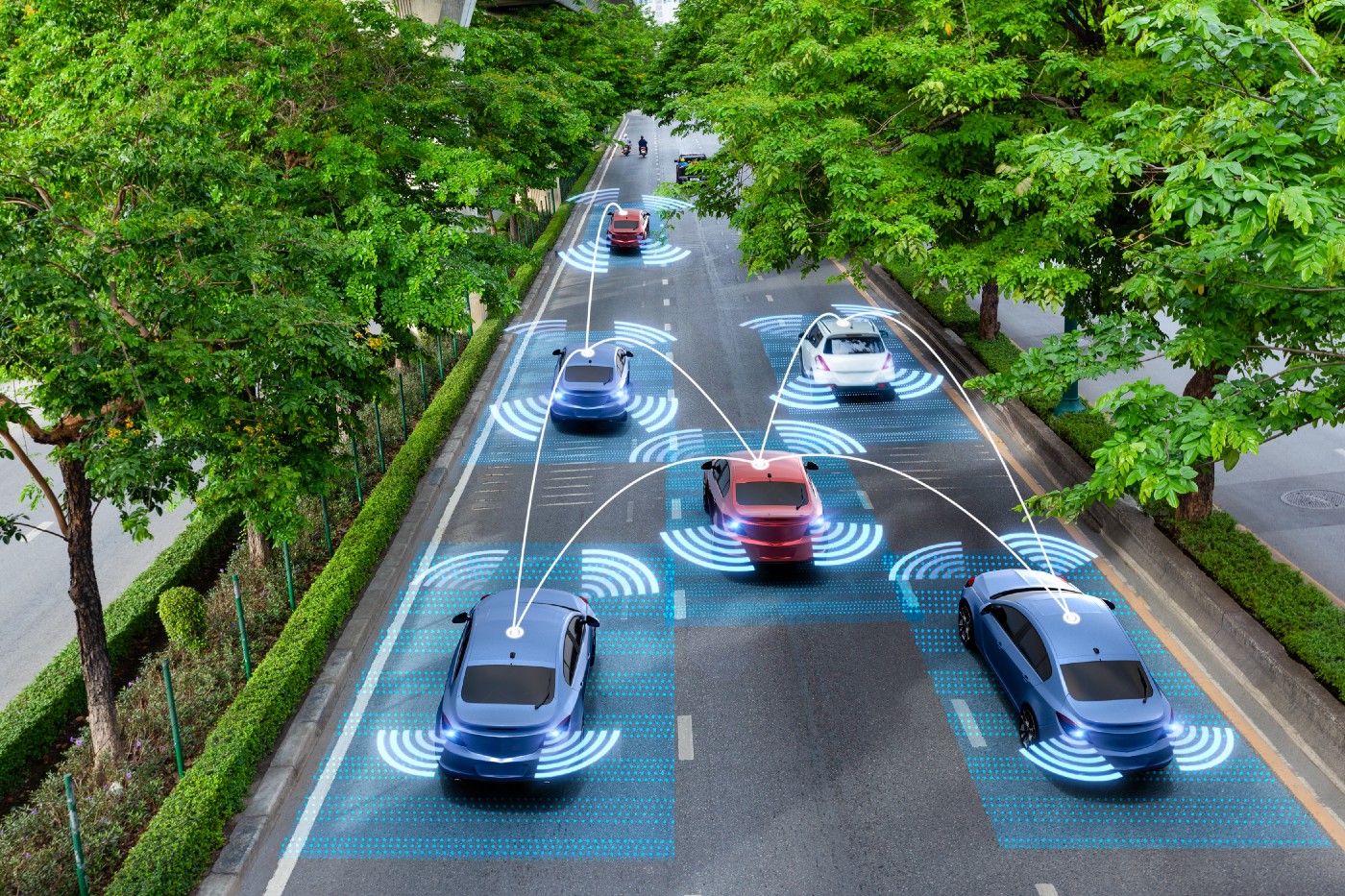
    A connected car is a vehicle that has the ability to communicate with other cars, as well as with its surrounding environment. This technology allows connected cars to send and receive data to and from other vehicles, traffic management systems, and other roadside infrastructure such as traffic lights. In general, there are two types of connected cars: On-board connected cars represent the majority of vehicles on the road today. Drivers can utilize connected car technology in a number of ways, such as receiving real-time traffic updates, accessing maps and directions, and listening to podcasts. Off-board connected cars are expected to grow significantly in the coming years. These cars are capable of communicating with other vehicles and the environment outside of the car, as well as receiving information from them. In addition, off-board connected cars can communicate with other roadside infrastructure such as traffic lights. Currently, the technology for off-board connected cars is still being developed and is expected to become more widely available in the future.

    Benefits of Connected Cars

    Connected cars provide drivers with a number of advantages that improve their driving experience and the way they interact with their vehicles. These benefits are expected to continue growing as technology advances, further revolutionizing the way that people travel. Below are some of the many benefits of connected cars.

    Real-Time Traffic Updates – Connected cars are capable of communicating with other vehicles and roadside infrastructure. This allows drivers to receive real-time traffic updates, providing them with information on road conditions and the likelihood of traffic jams along their route. These real-time traffic updates can be integrated into navigation systems, providing drivers with the most efficient route to their destination.

    Better Safety Features – Connected cars are equipped with advanced safety features that can help drivers avoid accidents and dangerous situations. These features include automatic emergency braking, lane departure warning systems, blind spot detection, and collision avoidance systems.

    Connectivity to Other Services – In addition to safety features, connected cars are capable of connecting to other devices and services, providing drivers with a wide range of functionality. These connected cars can be integrated with a number of existing services, such as navigation, music streaming services, emergency services, and more.

    Reduction of Emissions – As cars are able to communicate with one another and the surrounding environment, they are better able to avoid harmful emissions. This reduction of emissions has a significant impact on the environment, making connected cars a key component of any sustainable transportation plan.

    Autonomous Vehicles – Autonomous vehicles are complete connected cars that are fully capable of driving themselves. This level of self-driving technology is not expected to be widely available for many years to come, but it is expected to provide drivers with safer and more efficient experiences on the road.

    The Future of Connected Cars The future of connected cars is wide open, with new developments and technologies expected to transform the landscape of travel. With new developments such as autonomous vehicles, connected cars are becoming an integral part of our lives, offering drivers a unique and improved experience on the road.

    How Connected Cars Improve Safety

    Connected cars are capable of sharing information with other connected cars and devices such as traffic lights. This communication between vehicles and the surrounding environment enables connected cars to improve safety. By sharing this information, connected cars are better able to react to potential hazards and drive defensively, resulting in fewer accidents. In addition, connected cars are capable of receiving safety alerts and notifications when they are not in use. This enables connected cars to receive information about potential hazards such as extreme weather conditions or road closures, allowing the vehicle to take appropriate action. For example, if a connected car detects black ice, it will send a message to other nearby connected cars to let them know about the hazard so that they can adjust their speed. These connected car features are expected to continue growing and improving, enabling vehicles to respond to potential hazards even more quickly, potentially saving hundreds of thousands of lives each year.

    Real-Time Traffic Updates

    While driving, if you come across unexpected traffic jams or road closures, you are unable to change the situation. However, with real-time traffic updates, connected cars are capable of sharing this information with other drivers, allowing them to make the appropriate adjustments to their route. This real-time traffic information can be integrated into navigation systems, allowing drivers to make informed decisions about their route. It is important to note that connected car real-time traffic updates will not replace traditional forms of traffic reporting. Instead, they will complement existing systems, providing a more accurate and comprehensive view of traffic conditions across the entire region. As this technology continues to grow, real-time traffic updates are expected to provide drivers with even more detailed information, including the cause of the traffic jam or the expected duration of the delay. Real-time traffic updates are expected to become increasingly valuable as the number of connected cars on the road increases.

    Connectivity to Other Services

    In addition to real-time traffic updates, connected cars are capable of connecting to a number of existing services, such as navigation, music streaming services, emergency services, and more. This level of connectivity enables users to utilize all of the features of their connected car from one place, providing a more convenient and streamlined experience. For example, when a driver plugs her phone into the car to play music, she can select which services she would like to use. This allows her to stream music from her current music streaming service, but also allows her to utilize functionality from the connected car, such as receiving directions, seeing the current time and weather, and more. This level of connectivity provides drivers with a wide range of functionality from their connected car, while still allowing them to use their preferred services.

    Reduction of Emissions

    When cars are able to communicate with one another and the surrounding environment, they are better able to avoid harmful emissions. This reduction of emissions has a significant impact on the environment, making connected cars a key component of any sustainable transportation plan. With more connected cars on the road, there will be fewer vehicles releasing harmful emissions into the environment. Additionally, connected car technology has the ability to optimize the driving styles of all vehicles on the road, resulting in further reductions in emissions. This optimized driving style is expected to play a significant role in the reduction of emissions from vehicles, with the potential to save hundreds of thousands of tons of carbon dioxide each year.

    Autonomous Vehicles

    Autonomous vehicles are complete connected cars that are fully capable of driving themselves. This level of self-driving technology is not expected to be widely available for many years to come, but it is expected to provide drivers with safer and more efficient experiences on the road. Autonomous vehicles are expected to become increasingly common as technology advances and connected car technology continues to evolve. Autonomous vehicles are expected to provide a wide range of benefits, including lower accident rates, less traffic congestion, and more optimized driving styles. Autonomous vehicles provide numerous advantages over traditional vehicles, making them an attractive option for future transportation systems.

    The Future of Connected Cars

    The future of connected cars is wide open, with new developments and technologies expected to transform the landscape of travel. With new developments such as autonomous vehicles, connected cars are becoming an integral part of our lives, offering drivers a unique and improved experience on the road.

  • The Digital Revolution: How the Internet of Things is Transforming Our World

    The Digital Revolution: How the Internet of Things is Transforming Our World

    The Digital Revolution has brought about a profound and far-reaching transformation of our world. The Internet of Things (IoT) is a key technology at the heart of this revolution, connecting vast networks of physical objects, sensors, and data to enable us to interact with our environment in new and exciting ways. From smart homes and connected cars, to wearables and medical devices, the IoT is transforming the way we live, work and play. By connecting devices to the internet, we can now unlock the potential of the data they generate to create new products, services and experiences like smart cities. What’s more, the IoT is also creating massive opportunities for businesses, from efficient supply chain management and predictive maintenance to energy management and improved customer service. The possibilities are endless, and it’s easy to see why the digital revolution is so exciting.

    What is the Internet of Things (IoT)?

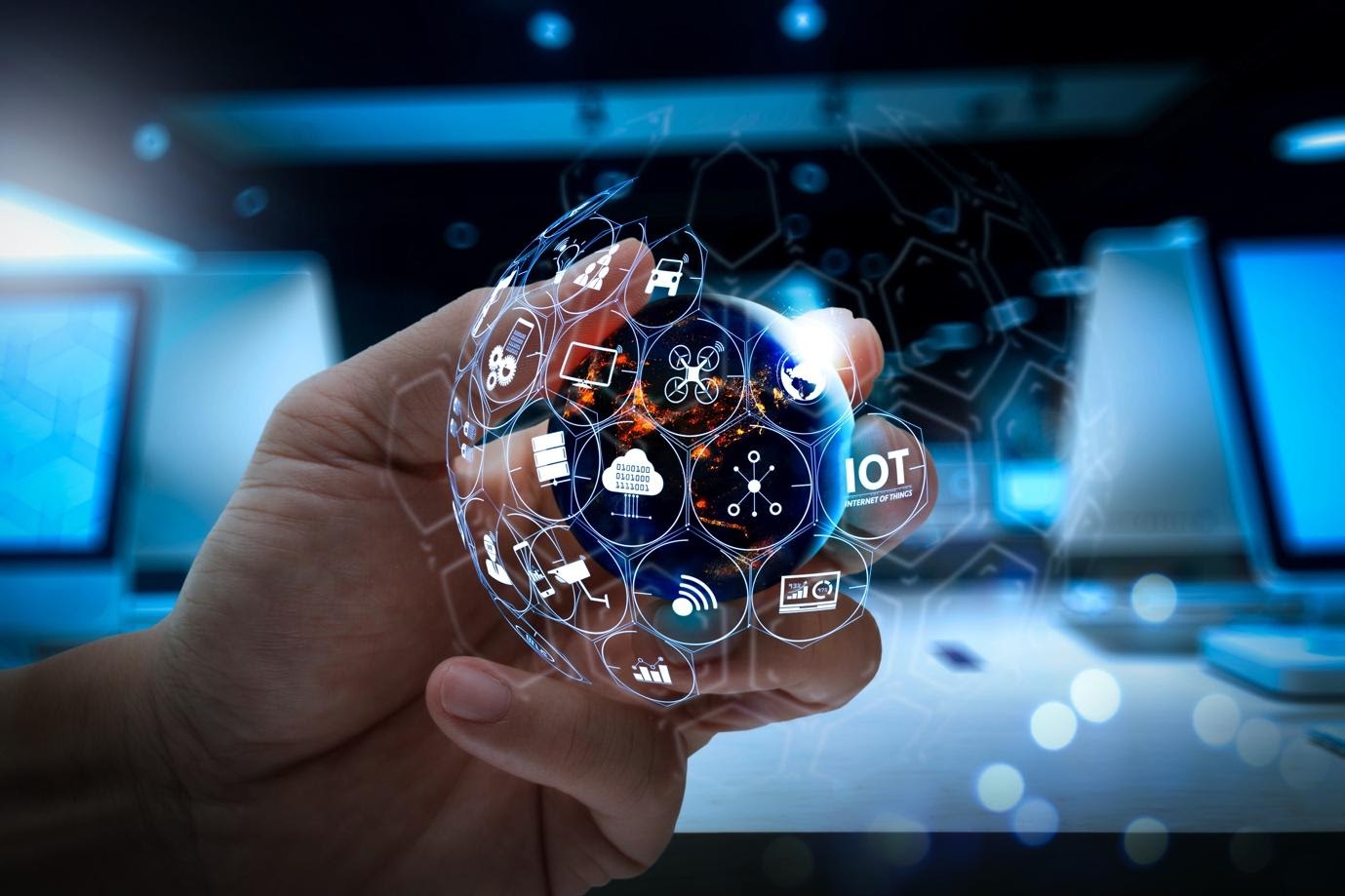
    The Internet of Things is the network of physical objects connected to each other and the internet, which enables them to collect and share data with each other and with other systems. This allows people to track and manage their assets more efficiently, as well as to analyse and act upon the data generated by the assets. The IoT is a network of physical objects that are wirelessly connected to the internet and can send and receive data. It’s estimated that there will be 15 billion connected devices by 2020, so the IoT is a massive network of connected devices and sensors that are creating opportunities for real-time data, automation, improved efficiency and better experiences for customers.

    How the IoT is Transforming Our World

    The Internet of Things is transforming our world in a number of ways. Here are a few examples of how the IoT is changing our lives for the better. Smart Homes and Connected Cars – In a connected world, you can control your smart home devices, such as lights and appliances, remotely while away on vacation. Connected cars will enable you to manage your vehicle remotely, and provide real-time updates on the health of your car. Wearables and Medical Devices – Wearables, such as fitness trackers and smart watches, will connect to the internet and enable you to track your heart rate, blood pressure, and other vital signs. Health devices will also be able to send you alerts when things are not going as planned. Unlocking the Potential of Data – Today, many data-generating devices are not connected to the internet, and therefore, are not unlocking the potential of their data. The IoT will enable these devices to connect to the internet, allowing for valuable insights about customers, products, and services. Business Opportunities with the IoT Supply Chain Management – Real-time monitoring of supply chain operations to reduce waste and improve efficiencies. Predictive Maintenance – The ability to predict when a piece of equipment will break down so maintenance can be scheduled in advance to reduce costs and ensure uptime. Energy Management – Ability to use data to reduce energy consumption and costs. Improved Customer Service – Enhanced experience through real-time updates, notifications, and alerts.

    Unlocking the Potential of Data

    Smart devices generate huge amounts of data. In fact, it’s estimated that over the next five years, the IoT will generate a staggering 50 times more data than people generate in digital information each year. This data can be used in many ways, including improving customer experience, increasing operational efficiency, and creating new products and services. For example, retailers can use data generated by in-store sensors to understand customer behavior and improve the shopping experience. Retailers can use data to better understand customer behavior and improve the shopping experience. They can track customer flow and see how long customers spend in certain sections of the store, helping them to optimize the layout to maximize sales. They can also use data to identify how long customers are waiting in line and add staff during busy periods. For customers, this means shorter queues and a more enjoyable shopping experience.

    Business Opportunities with the IoT

    As well as unlocking the potential of data, the IoT can also help to drive new business opportunities. For example, smart packaging is increasingly being used by retailers to improve inventory management, reduce out-of-stock situations, and ensure product freshness. Sensors inside the packaging can track when products are opened, how long they are kept, and other important metrics like temperature. This data can then be analyzed to identify when products need to be restocked and where there is potential for spoilage. This is just one example of how the IoT can be used to transform business operations. The IoT is also being used to create new products, including smart home appliances, connected cars, and wearables. For example, smart home appliances are enabling homeowners to remotely control their appliances, sensors, and lights from a single app. This allows people to create a more efficient and comfortable environment in their home. Wearables are also transforming people’s daily lives, with fitness trackers, health monitors, and other connected devices providing personalized insights and guidance.

    Endless Possibilities of the Digital Revolution

    The IoT is a truly exciting technology, and the possibilities are endless. The technology is being used in an ever-expanding range of sectors, including healthcare, energy, transportation, and hospitality. This is creating new opportunities for businesses to capture value and expand their operations. For example, healthcare organizations are using the IoT to improve patient care, reduce costs, and drive revenue. Healthcare providers are using sensors and wearables to monitor patients’ health and provide real-time monitoring and data insights that can help to reduce hospital readmission rates. By embedding sensors inside patient mattresses, healthcare providers can also monitor movements, allowing them to identify early signs of disease and take action before it progresses. In the future, this technology could also be used to deliver medicine. Healthcare providers are also using the IoT to improve efficiency and drive revenue. For example, they can use sensors to streamline the delivery process, improve stock management, and manage patients’ appointments. What’s more, the IoT can also be used to transform the way patients manage their own health by providing them with real-time data insights and personalized advice.

    Conclusion

    The Digital Revolution has brought about a profound and far-reaching transformation of our world. The Internet of Things (IoT) is a key technology at the heart of this revolution, connecting vast networks of physical objects, sensors, and data to enable us to interact with our environment in new and exciting ways. From smart homes and connected cars, to wearables and medical devices, the IoT is transforming the way we live, work and play. By connecting devices to the internet, we can now unlock the potential of the data they generate to create new products, services and experiences. What’s more, the IoT is also creating massive opportunities for businesses, from efficient supply chain management and predictive maintenance to energy management and improved customer service. The possibilities are endless, and it’s easy to see why the digital revolution is so exciting.

  • Exploring the Innovations at City Tech: What You Need to Know About Smart Cities

    Exploring the Innovations at City Tech: What You Need to Know About Smart Cities

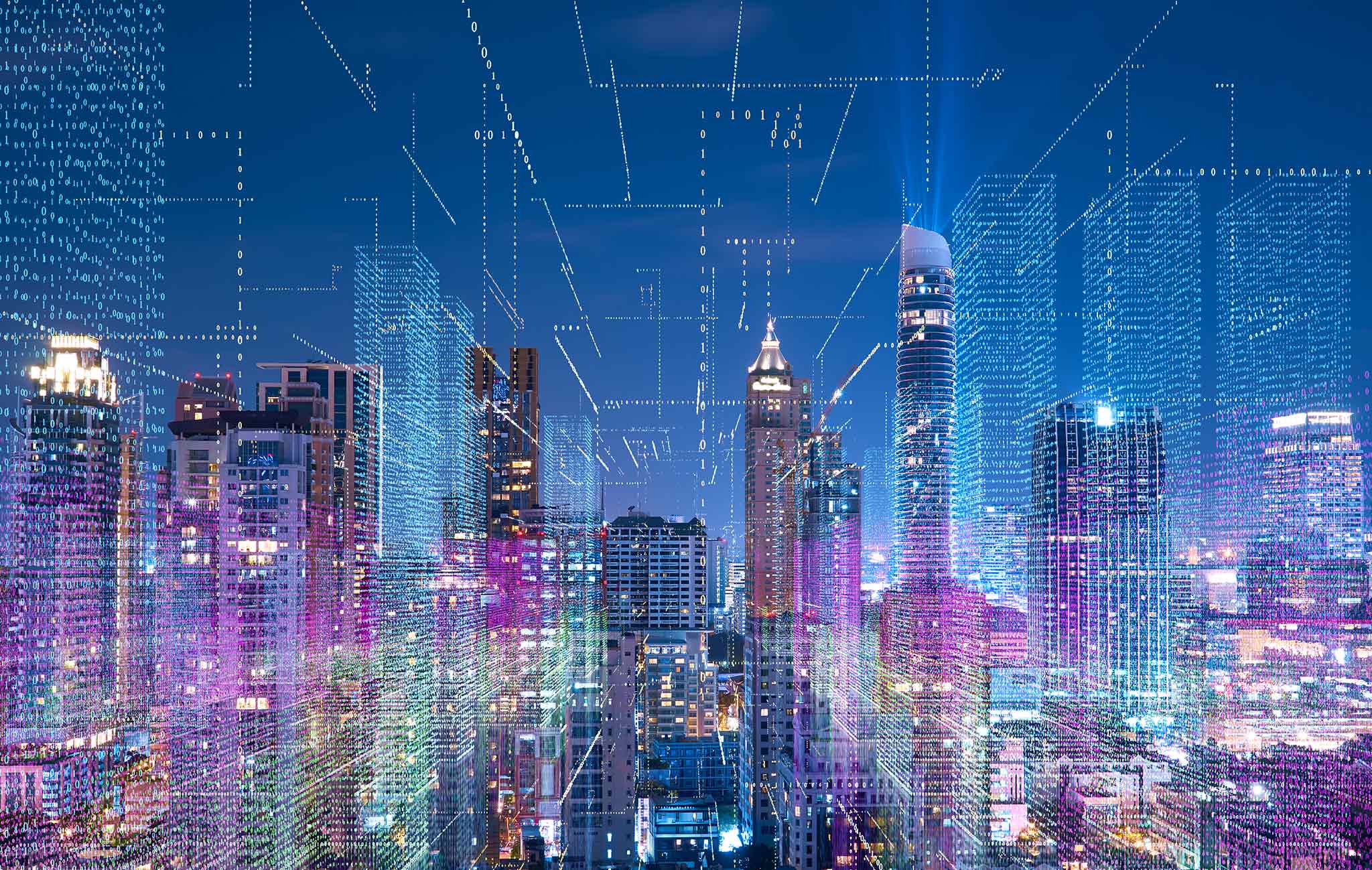
    Smart cities have become a global phenomenon, and City Tech is at the forefront of the innovation. City Tech is an urban research university that is focused on leading the way in smart city transformation. Through its cutting-edge research and development, City Tech is exploring the possibilities of urban living and how technology can enhance the experience. From smart sensors that monitor the environment to autonomous vehicles and the Internet of Things, City Tech is pushing the boundaries of what’s possible in cities. This article will explore the innovations at City Tech and discuss what you need to know about smart cities.

    Read 10 Best Green Technologies to Invest in for a Sustainable Future.

    What is a smart city?

    A smart city is an urban area that uses data, technology, and analytics to improve services and the quality of life for residents and visitors. The concept of a smart city is not new, but the definition has evolved over time as technology and data-driven solutions have become more prevalent. Smart cities leverage two important concepts: Internet of Things (IoT) and data analytics. IoT refers to the connection of everyday objects such as sensors, appliances, and vehicles through the internet. With IoT, we can collect large amounts of data and analyze it to identify patterns and make predictions. Data analytics is the process of examining large amounts of data to identify patterns, gain insights, and predict outcomes. With data analytics, we can transform raw data into useful information. In this article, we focus on the innovations at City Tech and discuss what you need to know about smart cities.

    What is City Tech?

    Founded in 2002, City Tech is an urban research university committed to applying academic knowledge and research to pressing urban issues across the globe. City Tech is New York City’s university and is part of the City University of New York (CUNY) system. City Tech is located in Downtown Brooklyn in the Center for Advanced Technology (CAT) building, a state-of-the-art facility that enables the university to explore and experiment with emerging technologies and practices. City Tech is focused on leading the way in smart city transformation and has dedicated itself to research and development in the following areas: These areas of research and development are the foundation for the innovations at City Tech that we discuss in this article.

    What types of research and development is City Tech conducting?

    City Tech is conducting research and development in a number of areas including transportation and mobility, energy, water, environmental health, and communication. City Tech is at the forefront of the autonomous vehicle revolution, with an on-campus research facility that has been testing autonomous vehicles since 2004. City Tech has also developed a low-cost sensor network that has been used to monitor the environment and respond to weather events. In terms of energy, City Tech is using data analytics to optimize the energy grid to reduce blackouts. The university is also working with the New York City Department of Environmental Protection to explore the potential of using bioswales to clean up polluted water. City Tech is also exploring the potential of the Internet of Things, with sensors that can detect unusual activity and help protect the city from crime and terrorism. The university is also exploring how new technologies can improve communication and make it easier for people to access services.

    What are some of the key innovations at City Tech?

    There are many innovations that have arisen from City Tech’s research and development. This section will explore some of the key innovations from City Tech’s smart cities initiative. i. AI and machine learning – Artificial Intelligence (AI) and machine learning are computer systems that can perform tasks based on their built-in algorithms and data. Through neural networks, computers can “learn” patterns and make predictions based on that data. AI and machine learning are increasingly being used in cities to optimize resources and provide better services. For example, AI can help improve weather forecasting and reduce the risk of extreme weather conditions such as hurricanes or floods. AI can also assist with traffic management and assist emergency vehicles. ii. IoT and sensor networks – Sensors can monitor the environment and collect data to help improve services. Sensors can be placed in different areas, such as inside and outside buildings or along streets. IoT is a network of sensors that are connected to each other and to the internet. IoT sensors can collect large amounts of data. This data can be analyzed to identify patterns and make predictions about the environment. City Tech has developed a low-cost sensor network that has been used to monitor the environment and respond to weather events. This sensor network can also collect data, which can be analyzed to improve urban services and make cities safer. iii. Blockchain – Blockchain is a decentralized and distributed public ledger used for storing transactions and data. Blockchain networks can be used to make data more secure, such as in healthcare or in smart cities. This technology can be used to create a secure and tamper-proof record of transactions. Blockchain can be used in smart cities to securely store data on sensors or track freight items. iv. AI-enabled chatbots – Chatbots are computer systems that can simulate conversations with humans using natural language. AI-enabled chatbots can understand complex language and provide useful information quickly and easily. AI-enabled chatbots can be used in many ways in cities, such as in health care, education, and transportation.

    How can technology improve the urban experience?

    The city is a constantly evolving environment that is shaped by factors such as topography, climate, population, economy, and architecture. The way technology can improve the urban experience is through the use of data and sensors to collect information from the environment. This information can be analyzed to identify patterns, make predictions, and improve services. For example, AI can help improve weather forecasting and reduce the risk of extreme weather conditions such as hurricanes or floods. AI can also assist with traffic management and assist emergency vehicles. Sensors can be placed in different areas, such as inside and outside buildings or along streets. The data collected by sensors can be analyzed to identify patterns and make predictions about the environment. This information can be used to improve urban services and make cities safer.

    What are the potential benefits of smart cities?

    There are many potential benefits of smart cities, including increased efficiency and operational savings, better government services, and a better quality of life for citizens. The use of data and AI can help optimize resources and services to save money and improve the efficiency of public programs. For example, AI can help improve weather forecasting and reduce the risk of extreme weather conditions such as hurricanes or floods. This will help public resources, such as the utilities, be more efficient. AI can also assist with traffic management and assist emergency vehicles. The data collected from sensors and used by AI can help government services such as public transportation, health care, and education be more efficient. City government can use data and AI to identify problems and make recommendations to make the city operate more efficiently.

    What are the potential challenges of smart cities?

    There are many potential challenges associated with the implementation of smart cities. The implementation of AI and IoT could result in cyber security threats. A hacker could access the system through the internet, steal data, or disrupt operations. Data privacy is another potential challenge. In order for AI to be effective, data must be collected and analyzed. However, with the implementation of smart cities, there will be more data being collected. This could lead to privacy issues if this data isn’t properly secured. There is also the challenge of interoperability, meaning that the data collected needs to be compatible with other systems. If cities implement their own systems, data could become fragmented and not easily accessible.

    What does the future of smart cities look like?

    We are in the early stages of the evolution of smart cities and the associated technologies. This means it is difficult to predict how the future of smart cities will look. That said, we can look at the trends in the industry and the use cases of technologies at City Tech. There are two major trends in the industry. The first is the adoption of edge computing, which means that data is processed at the edge. This can enable more data analysis to be done at the source, rather than at the cloud. This makes data processing more efficient and can lead to better results. The other trend is the convergence of technologies, which means that different technologies, such as AI and IoT are being used together. The adoption of these trends in the industry could lead to better results and a more efficient implementation of smart cities.

  • EV drivers unhappy with UK’s charging network. Here’s why.

    EV drivers unhappy with UK’s charging network. Here’s why.

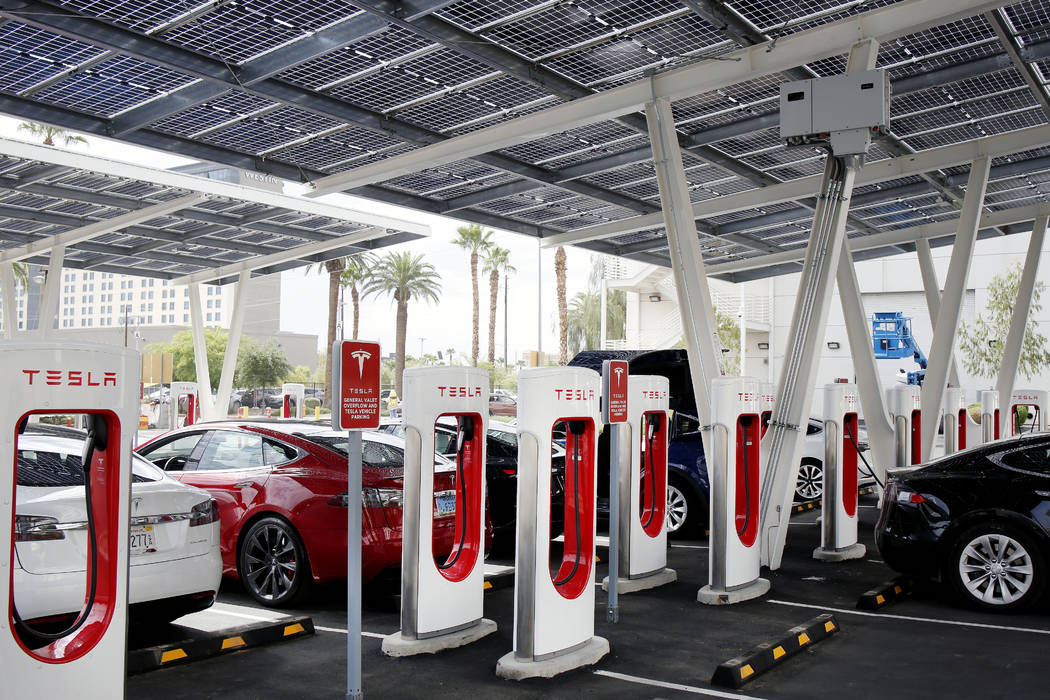
    Three-quarters of EV drivers unhappy with UK’s charging network. Here’s why. Growing discontent among EV drivers is threatening the progress we have made and still have yet to make before 2030’s ban on manufacturing new petrol and diesel cars; but the problem isn’t a lack of chargers, it’s a lack of accessibility – argues Aidan McClean, co-founder and CEO of UFODRIVE.

    New data from Which? highlights a growing discontent among drivers of electric vehicles. Almost three-quarters (74%) are not happy with the UK’s charging network, and furthermore:

    • 40% reported that they’ve found chargers that are not working
    • 61% suffering difficulties making payments
    • 84% want to pay by card, rather than by an app
    • 45% estimated that they are at least a 20-minute walk from their nearest charger

    Of course, more chargers here would help – and we do need many more, particularly fast chargers. Yet the data points to some more pervasive issues that are harder to tackle. It shows we need a more joined-up and accessible system that is easier to use. Only then can Britain be confident it will be able to take part in the electric future that is so essential to a net zero economy, which in turn, averting the imminent climate crisis.

    Transport produced 27% of the UK’s total emissions in 2019, with 91% of this from road transport vehicles. This makes cars one the largest single contributors to carbon emissions, and therefore an essential issue to tackle to meet the UK’s 2050 net zero pledge.

    We all need an accessible and user-friendly network

    Unfortunately, I am not surprised,” says Aidan McClean. “We have been concerned about the UK’s charging infrastructure for some time – and not just because we need more fast charging and at-home charging infrastructure. This isn’t a problem you can tackle with more investment alone – it needs sound, confident government policy, which can be followed up by sensible private investment.

    “Right now, this just isn’t the case – as it is disjointed and dysfunctional. There are hundreds of different Charge Point Operators (CPOs), and new ones pop up almost weekly. There are different connector types, various payment methods, and multiple different charging apps. Some don’t show all networks, and only some show real-time charger status.

    “At the end of the day, this will only impact consumer confidence at a critical time when we need more EVs and more investment. If progress isn’t made quickly, the market progress that has been made so far will stall and impact supply chains, technological innovation, and therefore negatively impact the cost and waiting times for the end-user.”

    ‘Range anxiety’ should be renamed ‘user experience anxiety’

    “Ultimately, all the charging infrastructure in the world won’t matter if you can’t plan, pay, or access it reliably. This is why, despite the hype, EV range is largely irrelevant; what’s known as ‘range anxiety’ should be renamed ‘user experience anxiety’.

    “Arriving at a charger that’s behind a locked gate or is out of order or was marked “fast” but has been downgraded to slow for some unknown reason or is being used by a plug-in hybrid, are all legitimate reasons to have concerns about the electric revolution. Whereas concerns solely about range, when range is often above 300km, are not valid for the vast majority of use cases.

    “Luckily, ‘user experience anxiety’ is easily fixed. With sound planning and effective policymaking, led by the government and followed by private investment, we can have a network that easily caters to all but the longest of intercontinental journeys and easily works with all models, apps, and cards.

    “To encourage people to make the leap to electric, charging should be as simple as, or even simpler than, filling your car with gas. Today this just isn’t the case.”

  • 10 Best Green Technologies to Invest in for a Sustainable Future

    10 Best Green Technologies to Invest in for a Sustainable Future

    The world is changing, and with it, the way we produce and consume energy. More and more people are beginning to realize the importance of sustainable living, and businesses are starting to invest in green technologies that will help them become more environmentally friendly. If you’re looking for ways to invest in a sustainable future, here are 10 of the best green technologies to consider!

    What it means the “best green technology “?

    The concept of “best green technology” can mean many different things. At a basic level, it refers to any technology that is designed with environmental impacts in mind and that helps to reduce the amount of energy or other resources that are used by a particular system.

    This could involve using alternative energy sources such as solar or wind power, creating more efficient vehicles, or inventing new manufacturing processes that minimize waste products. In addition, the term might also refer to innovative technologies that aim to change human behavior in order to minimize our impact on the environment.

    Ultimately, there is no single definition for “best green technology” – it is continuously evolving as new innovations arise and existing technologies become more sophisticated. However, at its core, it is about recognizing both the benefits and limitations of technological development in order to protect our planet for future generations.

    Why is important using green technology?

    Green technology has become increasingly important in recent years, as the rising demand for resources and concerns over environmental degradation have driven many people to look for more sustainable alternatives.

    This is especially true in the field of energy production, where new methods such as wind turbines and solar panels are becoming increasingly common. Not only do these types of green technologies help to reduce harmful emissions and fuel consumption, but they can also contribute significantly to our overall energy independence.

    In addition, many smaller-scale changes, such as using reusable shopping bags and reducing food waste, also have a large impact on protecting our environment and promoting sustainable living. Overall, it is clear that adopting green technologies is one of the best ways to create a brighter future for generations to come.

    What are the Top 5 Countries that using Green Technology?

    1. The first country on our list of top green technology users is Germany. One of the world’s leading economies, Germany has long been at the forefront of efforts to combat climate change and promote sustainable development. With a robust renewable energy sector and stringent environmental regulations, German companies are well-positioned to lead the global transition to a greener economy.

    2. Next up is Sweden, another highly industrialized country with a strong commitment to green technology. From electric vehicles to wind energy, Sweden is making extensive use of cutting-edge green technologies that are helping it to reduce its carbon footprint and transition away from fossil fuels. And with its emphasis on R&D and innovation, Sweden is likely to remain a powerhouse in the field for many years to come.

    3. Another top user of green technology is France, which is famous for its expansive network of high-speed rail lines as well as all-electric public transportation systems in its major cities. In addition to promoting cleaner forms of transportation, France also boasts enormous solar power installations and numerous other green initiatives at both the national and local levels.

    4. Following closely behind France is Japan, another leading industrial power with ambitious plans for transitioning away from fossil fuels and towards renewable energy sources like solar and wind power. Thanks in part to strong government support and generous incentives for businesses in the field, Japan has become one of the world’s leading markets for green technologies like smart grids and eco-friendly construction materials like hempcrete.

    5. Finally, rounding out our top five countries that are using green technology is China, which has emerged in recent years as a global leader in clean energy production thanks largely to massive investments by both public and private entities in solar farms and wind turbines across the country. Along with committing billions of dollars toward building new plants for environmentally friendly energy sources like nuclear fusion, China has also made significant strides towards modernizing its grid infrastructure so that it can effectively take advantage of these new generating sources in an efficient manner going forward. Overall, these factors make China an ideal candidate for continued leadership in green technology development well into the future.

    So, What are the best 10 Green Tech?

    1. Solar Energy

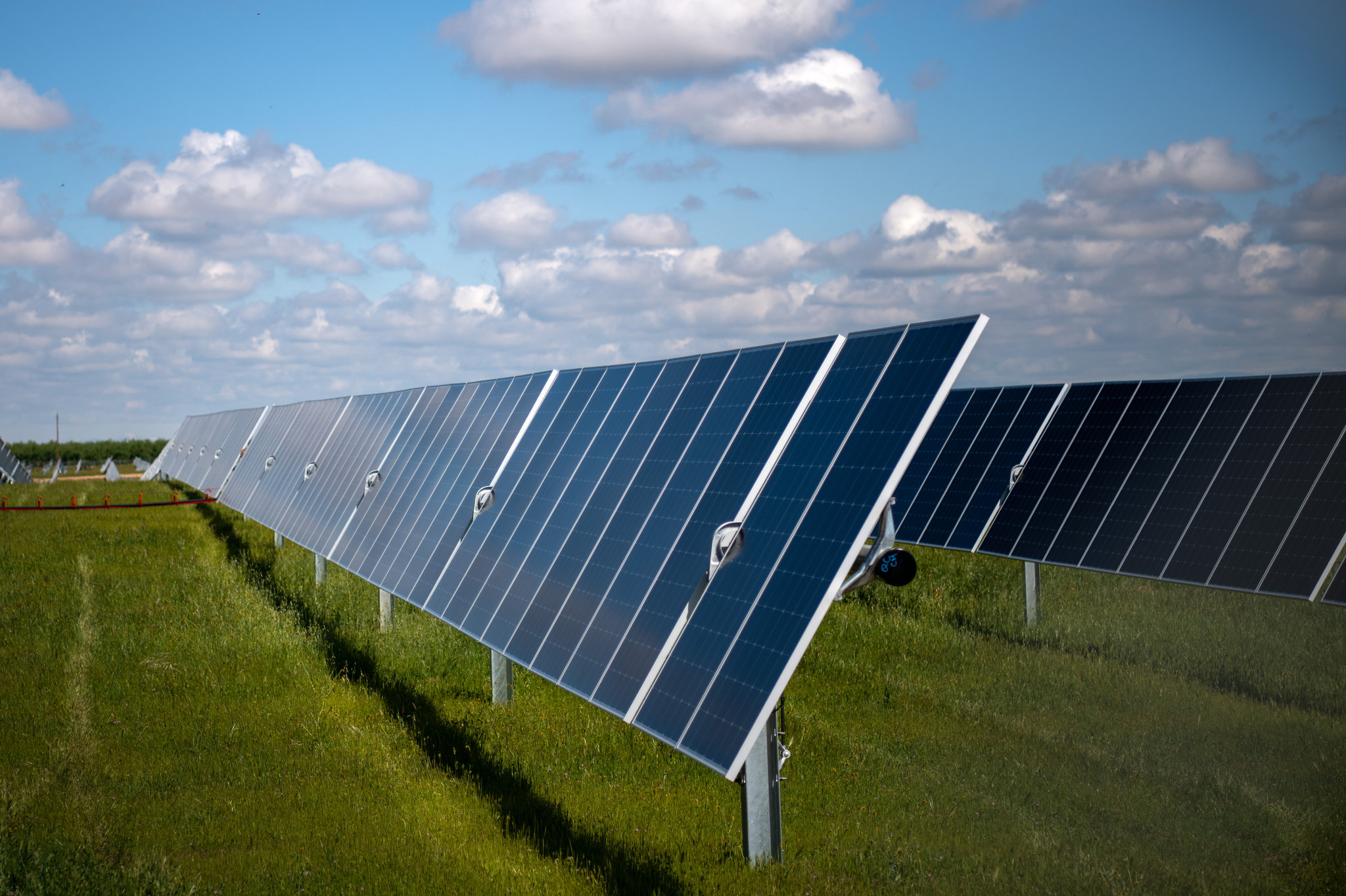
    The first green technology to consider is solar energy. Solar panels have become increasingly affordable and efficient in recent years, making them an excellent choice for businesses looking to reduce their reliance on traditional energy sources. Additionally, companies can benefit from tax incentives and rebates when they invest in solar power systems.

    Solar energy has become an increasingly popular alternative energy source in recent years, as awareness of the environmental impact of traditional energy sources continues to grow. With rising energy consumption and declining fossil fuel reserves, solar energy offers a promising solution for meeting our energy needs without further harming our planet. By harnessing the power of the sun’s rays, solar energy provides an essentially limitless source of clean, green energy. Additionally, solar panels make it possible to generate energy even in locations that are less than ideal for other forms of renewable energy generation, such as cloudy areas with limited access to sunlight. Overall, despite its recent surge in popularity, solar energy offers a valuable solution to the ongoing challenge of energy consumption and climate change.

    2. Wind Energy

    Another great green technology to consider is wind energy. Wind turbines are a great way to generate clean, renewable energy at low cost. Not only do they help reduce greenhouse gas emissions, but they also can provide businesses with additional income through the sale of excess energy back to the grid.

    3. Water Conservation Systems

    Another important green technology is water conservation systems. These systems use advanced technologies like drip irrigation, rainwater harvesting, and water recycling to reduce the amount of water that is used in industrial processes. Such systems can help businesses save money on their utility bills while also helping to sustain local ecosystems.

    4. Recycling e-Waste

    Recycling e-waste is an important issue that affects us all. Electronic devices, like computers, tablets, and smartphones, contain toxic materials and chemicals that can have a negative impact on the environment if they are not properly recycled to transform waste to energy. Furthermore, as new technologies enter the market on a regular basis, there is a constant influx of old devices that need to be discarded. Fortunately, there are many recycling programs in place that work to properly dispose of e-waste and keep these harmful materials out of our landfills. These programs rely on the participation of individual consumers and companies to ensure that e-waste does not end up polluting our environment or harming our communities. By choosing to recycle your old electronic devices, you are not only helping to protect the planet from pollution but also supporting a growing industry that works to reuse these valuable resources for future generations.

    5. Electric Cars

    Electric vehicle are a relatively new form of green technology, having first been introduced to the mass market in the 1990s. Since then, a number of manufacturers have begun to develop and release their own models, with each one boasting its own set of unique features and capabilities.

    Electric cars offer numerous benefits to consumers, from enhanced fuel efficiency and lower operating costs to reduced carbon emissions that contribute to better overall air quality. What’s more, as sources of renewable energy continue to grow, electric cars are likely to become an increasingly viable means of transportation for years to come.

    So whether you’re thinking about making the switch or just curious about this emerging technology, rest assured that electric cars are quickly taking center stage as an important part of a greener future.

    6. Nuclear Power

    Nuclear power is often considered to be a green technology, as it has a relatively small negative impact on the environment compared to other forms of energy generation.

    The main advantage of nuclear power is that it creates virtually no greenhouse gases, meaning that it is not contributing to global climate change. In addition, nuclear reactors require comparatively little fuel when compared with coal plants or oil refineries.

    However, nuclear power does have some significant drawbacks that must be taken into consideration. Firstly, radioactive waste from nuclear reactors poses serious health and environmental risks if not handled properly.

    In addition, there are also safety concerns associated with the use of nuclear power, as serious accidents such as the Chernobyl disaster have shown. Despite these drawbacks, however, nuclear power remains a promising green technology and continues to play an important role in many countries’ energy mixes.

    7. Hybrid Electricity Generator

    Hybrid electricity generators are a promising new technology that holds great promise for reducing the impact of our energy consumption on the environment. These generators use two different energy sources in tandem, typically wind and solar power. The result is a generator that is highly efficient and significantly reduces emissions compared to traditional methods.

    One of the key advantages of hybrid generators is their ability to generate power even when one energy source is not available or limited. For example, during periods of low wind, a turbine-based hybrid system can continue operating by drawing on stored solar power instead. Similarly, if weather conditions make solar cells less effective, a hybrid generator can switch over to wind-based generation. This flexibility allows hybrid systems to maximize their use of renewable energy sources and achieve significant reductions in greenhouse gas emissions and other harmful pollutants.

    In addition to environmental benefits, hybrid electricity generators have several other advantages as well. They are typically cheaper to operate than other types of generators due to their increased efficiency, and they also produce less noise and require fewer materials during manufacturing. Overall, it seems clear that hybrids represent an exciting new frontier for green technology and are likely to play an important role in our transformation towards a more sustainable future.

    8. Microbial Fuel Cells

    Microbial fuel cells are an emerging green technology that have the potential to revolutionize the way we think about energy production. These devices harness the power of microorganisms to convert organic materials into electricity, a process that is both highly efficient and relatively low-impact on the environment.

    By effectively eliminating the need for external sources of energy, microbial fuel cells can help reduce our dependence on fossil fuels, thereby lowering greenhouse gas emissions and mitigating the effects of global climate change. In addition, these devices offer a highly scalable solution to meet growing energy demands around the world, making them an important tool for advancing sustainable development.

    Overall, microbial fuel cells offer exciting new possibilities for a greener future.

    9. Carbon Capture

    Carbon capture is one of the most promising forms of green technology available today. This innovative technique involves capturing carbon dioxide, a major contributor to global climate change, directly from the air and sequestering it in underground reservoirs.

    Not only does this prevent greenhouse gases from entering the atmosphere and contributing to further warming, but it also provides a cost-effective option for energy producers, who can use captured carbon as a fuel source. Many countries and cities around the world are now adopting carbon capture technologies to combat rising temperatures and address concerns about energy usage.

    Whether used for transportation, electricity generation, or industrial processes, carbon capture is poised to become one of the most important tools in our fight against climate change.

    10. Waste to Energy

    Waste to energy, also known as energy recovery, is a type of green technology that harnesses the power of waste materials to generate electricity. This process involves the conversion of organic waste products, such as food waste or agricultural byproducts, into usable energy through a variety of chemical and thermal processes. The most common approach is to incinerate these materials in a specially designed facility, which captures the heat generated by this reaction and uses it to generate steam. This steam can then be used to drive turbines and produce electricity, just like in a conventional power plant.

    While there are some concerns about the environmental impacts of using waste as fuel, there is also significant potential for improving the efficiency and sustainability of this technology. As more research is conducted on effective approaches for extracting useful energy from wastes, we will likely see even greater adoption of this important process. Ultimately, it holds great promise as an effective way to reduce our reliance on fossil fuels while also helping to keep valuable resources out of landfills. So if you’re looking for an example of truly “green” technology, look no further than waste to energy!

    Conclusion

    Despite advances in many different areas of green technology, there is no single “best” option. Each type of green technology has unique strengths and weaknesses that are determined by a wide range of factors, including climate, available resources, and consumer needs. For instance, battery-powered electric cars may be the best option for those living in cold climates where alternative fuel vehicles like hydrogen or natural gas may struggle to operate. But in regions with an abundance of wind or sunlight, solar panels and wind turbines may be more ideal. Ultimately, the best choice for each individual will depend on their lifestyle, budget, and goals for going green. However, regardless of which type of technologies people choose to adopt, they can all play important roles in minimizing their environmental impact and helping preserve our planet for future generations.
  • Free Online Casino Games that Pay Real Money

    Free Online Casino Games that Pay Real Money

    Online casinos are a fun and convenient way to gamble without having to leave your house. However, not all online casinos are created equal. Some offer free games that pay real money, while others require you to deposit money before you can play. So, which ones should you choose? We have put together a list of the five best free online casino games that pay real money! Keep reading to learn more.

    Play Free Casino Games

    The first free online casino game that we recommend is slots. Slots are one of the most popular and classic casino games, and there are tons of free variations available online. Some slots sites even offer progressive jackpots where you can win hundreds or thousands of dollars with just a single lucky spin!

    Another great free online casino game to try is video poker. Video poker combines the fun of slots with the skill of traditional card games like poker, making it a great choice for players of all experience levels. Plus, many free online casinos offer special bonuses and promotions that can help you increase your winnings!

    If you are looking for free online casino games with more strategy and skill involved, then you should check out blackjack or roulette. These games require a bit more skill and strategy in order to win, but they are still fun and engaging nonetheless.

    Everything About Free Slot Games

    Free slot games can be a lot of fun and are a great way to pass the time. These online games offer players the opportunity to enjoy all the excitement of gambling without having to risk any actual money, making them a perfect choice for both seasoned gamblers and beginners alike.

    Many free slots have exciting progressive jackpots that can quickly grow into thousands or even millions of dollars, offering players the chance to win big and walk away with riches.

    Additionally, these games offer a variety of different themes and paylines, allowing you to choose from classic casino-style slots or more modern games that feature unique features, creative graphics, and engaging sound effects.

    Whether you prefer simple slots with straightforward gameplay or elaborate slot machines brimming with special features, there’s sure to be something out there for everyone when it comes to free slot games. So why not check them out today? You might just find your new favorite pastime!

    What are Free Slot Machines?

    Free slot machines are online casino games that allow players to play for fun without having to deposit any money. These games typically feature a variety of different themes and styles, so players can easily find one that matches their preferences. Many free slot machines also offer cash prizes or other rewards to lucky players, making them an attractive option for both recreational gamblers and serious gamers alike.

    Overall, free slot machines are a great way to test the waters of online gambling and explore the vast world of online slots without putting your hard-earned money at risk. So if you’re looking for some fun and excitement, be sure to check out all the free slot machines available online today!

    Where I can Play free online slots?

    There are many online casinos that offer free slots for players to enjoy. One option is to visit popular gaming platforms like Jackpot City, which offers a wide variety of slots games play free slots and win real money.

    Whether you’re looking for classic fruit machines, action-packed superhero adventures, or cinematic 3D experiences, Jackpot City has something to suit your tastes. Additionally, the site is fully optimized for mobile devices, so you can enjoy your favorite games anytime and anywhere.

    Another great option is Slots Million, which provides players with a massive selection of titles from top software providers like NetEnt and Microgaming. With hundreds of exciting games available and immersive bonus features designed to enhance your enjoyment, there’s no better place to play free online slots than right here!

    What are the best free casino games?

    There are many different free casino games out there, each offering its own unique set of challenges and fun. Some of the most popular free casino games include slots, roulette, poker, blackjack, and baccarat. Each of these is designed to keep players entertained for hours on end, with immersive graphics, impressive sound effects, and exciting gameplay features.

    Perhaps the most popular free casino game is slot machines. With a seemingly endless assortment of themes and customizability options available, slots provide endless opportunities for players to try their hand at winning big. Another popular choice is roulette, which offers a fast-paced and thrilling experience with simple rules that can be mastered relatively quickly. And finally, many players enjoy playing poker or blackjack as these are classic games that offer strategic challenges that appeal to serious players.

    Ultimately, the best free casino games will always come down to personal preference; however, there can be no denying that these top-rated titles all offer plenty of entertainment value for any type of player. Whether you’re looking for fast-paced action or slow-and-steady strategy games, there’s something here for everyone to enjoy!

    How to play real money games?

    There are several steps that you can take to play real money games online. First, you will want to find a reputable online casino that offers free play options or free casino game bonuses. This will allow you to try out different games and get comfortable with the rules and mechanics before making any real-money bets.

    Once you have chosen your preferred casino, you can then sign up for an account and begin playing for free or making real-money bets depending on the game type and the betting limits that are offered by the site.

    Some games may also feature free spins or other bonus features that allow players to score additional rewards without having to risk any of their own money. With some basic tips and a generous welcome bonus, it is easy to start playing real money games online today!

    Conclusion

    At the end of the day, free online casino games can be a great way to have fun and potentially earn some real money on the side. So why wait? Start exploring these free online casino games today and see which ones are right for you!

    Looking for even more free online casino games? Check out our website for reviews of the best sites to play at, as well as tips and strategies to help you win big!