
Introduction
In the dynamic world of technology reviews, one creator’s name is synonymous with quality: Marques Brownlee, known globally as MKBHD. What began as a high school hobby has evolved into a YouTube empire, fundamentally reshaping audience expectations and creator standards.
The “MKBHD Effect” describes this seismic shift—a movement where cinematic production, meticulous testing, and trustworthy presentation became the essential benchmark for success. This article deconstructs the phenomenon, exploring its core pillars and its profound impact on viewers, fellow creators, and the tech industry.
“In my career, MKBHD’s process is the gold standard. His team’s pre-production checklists and rigorous device testing protocols are routinely referenced by other creators and media companies as the model for thorough, credible review work.” – Alex Khan, Former Tech Media Producer.
The Pillars of the MKBHD Aesthetic
MKBHD’s dominance is no accident. It’s built on an unwavering commitment to excellence across two interconnected domains: breathtaking production and substantive analysis. This dual focus creates a signature experience that defines the modern tech review.
Cinematic Visuals and Sound Design
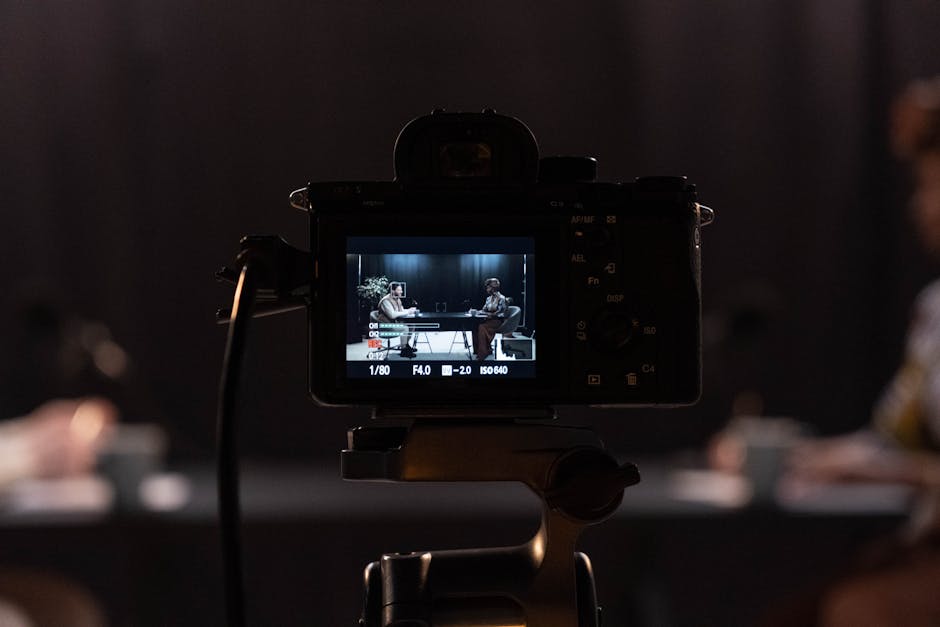
The visual and auditory quality of an MKBHD video is immediately striking. He utilizes 8K resolution, fluid slow-motion, and expertly composed shots that frame technology as art. Professional lighting ensures perfect color accuracy, which is crucial for evaluating device screens and materials.
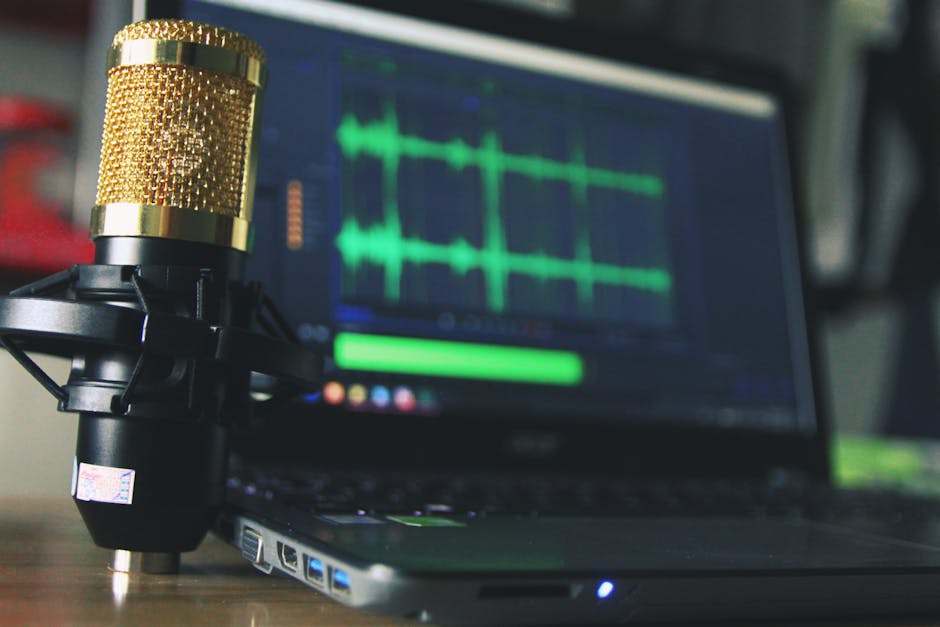
The audio is equally pristine, with every interface sound and vocal nuance captured clearly. This polish isn’t just for show; it builds immense subconscious trust. When a creator invests this level of care into presentation, viewers believe they invest equal rigor into their opinions.
This standard has technical roots. Achieving it requires knowledge beyond expensive gear:
- Color Science: Using professional monitors and calibration tools to ensure on-screen colors match real life, adhering to standards like Rec. 709.
- Audio Fidelity: Employing high-end microphones (e.g., Shure SM7B) in acoustically treated spaces to eliminate reverb and noise.
- Dynamic Range: Mastering video to preserve detail in both shadows and highlights, allowing viewers to see a device’s true black levels and brightness.
The result is a new baseline where poor video quality actively undermines a reviewer’s authority.
Substance Wrapped in Style
The stunning production would mean little without deep, insightful content. Marques grounds his style in weeks of real-world testing. He doesn’t just list specs; he explains how a phone’s weight affects all-day comfort or how a laptop’s thermal design impacts sustained performance.
He employs consistent, repeatable tests—like his famous battery drain benchmarks—to provide comparable data. The style captures attention, but the substantive, experience-driven analysis is what builds a loyal, informed audience. This approach has permanently raised the bar.
Today’s viewers can distinguish between a superficial unboxing and a genuine review. Successful creators must now be hybrid experts:
- Technically Proficient: Able to explain complex concepts like computational photography or chipset architecture in accessible terms.
- Longitudinal Testers: Committing to using a device as a primary device for weeks to uncover software bugs or battery issues that short-term reviews miss.
This creates reviews that serve as genuine purchasing guides, not just promotional content.
The Ripple Effect on the Tech Content Ecosystem
The MKBHD standard created a rising tide that lifted—or forced the evolution of—the entire tech media landscape. Its influence is a case study in how one creator can redefine an industry’s practices.
Raising the Bar for Fellow Creators
For other tech YouTubers, the effect was a clear mandate: professionalize or risk irrelevance. Investment in production equipment became a necessary cost of entry. This led to a widespread upgrade in creator setups, from Sony cinema cameras to dedicated studio lighting.
More importantly, it sparked a focus on the entire creative process—storyboarding, scriptwriting, and color grading—turning hobbyists into professional media producers. This shift created a visible stratification.
Channels that embraced high production values and deep analysis, like Dave2D and Mrwhosetheboss, saw massive growth. Meanwhile, channels reliant on casual, low-production formats struggled. The effect fostered a culture of open learning, accelerating collective quality.
Shifting Brand and PR Engagement
Tech companies now view top-tier creators as critical launch partners. A positive, in-depth review from a trusted source like MKBHD can significantly influence early adopter perception and sales velocity.
PR strategies have evolved from mass mailing press releases to curating exclusive, hands-on experiences for a select group of high-production creators. Brands often provide high-fidelity B-roll footage and engineering access, knowing their review will be a visual showcase.
This relationship has a recursive effect: corporate marketing has itself adopted the “creator aesthetic.” Apple, Samsung, and Google launch videos now feature the same clean, detail-oriented cinematography. This blurring of lines demands heightened ethical vigilance, requiring unambiguous adherence to FTC sponsorship disclosure rules.
Actionable Insights for Aspiring Tech Creators
Building a channel in the shadow of the MKBHD Effect is daunting but achievable with a focused, step-by-step strategy. Here’s a practical guide to starting strong.
- Master the Fundamentals First: Your knowledge and communication are the foundation. Practice scripting and on-camera delivery. Learn composition using the camera you have. Free software like DaVinci Resolve is powerful enough for professional editing. Actionable Step: For your next video, write a full script and time yourself reading it aloud to refine pacing.
- Invest Strategically in Your Setup: Prioritize audio and lighting. A $100 USB microphone and a $50 softbox light will improve perceived quality more than a $2000 camera. Upgrade one piece of gear at a time. Actionable Step: Audit your last video: is your audio crisp? Is your face evenly lit? Address the biggest flaw first.
- Carve Out a Unique Niche: Don’t duplicate; differentiate. Instead of “reviewing all phones,” focus on “smartphones for photographers” or “budget tech under $300.” Become the undisputed expert in that specific area. Actionable Step: List three tech topics you’re passionately knowledgeable about. Which has the least saturated content on YouTube?
- Build a Repeatable Process: Consistency builds trust. Develop a weekly workflow: Research Monday, Script Tuesday, Film Wednesday, Edit Thursday, Publish Friday. Systematizing reduces burnout. Actionable Step: Map out your ideal production week in a calendar app and try to stick to it for one month.
The Future of the Standard
The benchmark for quality is not static. As new technologies emerge, the definition of “high production value” will continue to evolve, presenting new challenges and opportunities.
Beyond YouTube: The Multi-Platform Imperative
The standard now encompasses a creator’s entire digital presence. A stunning YouTube review must be supported by compelling clips on TikTok and Instagram Reels, insightful threads on X, and engaging podcast discussions.
Each platform demands tailored content—a 60-second Reel highlighting a phone’s best feature, a Twitter thread dissecting a tech news story. The future influencer is a multi-format storyteller, adapting one core analysis to multiple consumption habits.
The next frontier is interactivity. With the growth of spatial computing, imagine a review where viewers can place a 3D model of a new smartwatch on their own wrist via AR. The standard will expand from polished presentation to immersive experience, requiring new skills in 3D asset creation.
Authenticity in the Age of Polish
A key challenge for the next generation is balancing impeccable production with raw authenticity. Audiences, wary of overly polished marketing, crave genuine connection and unbiased critique.
Studies on media trust show that transparency is paramount. The creators who will thrive will be those who let their polished process show a few seams—sharing behind-the-scenes struggles and being upfront about a product’s flaws.
“The goal isn’t to look perfect. It’s to be perfectly trustworthy. Sometimes that means showing the messy reality behind the polished final cut.” – Industry insight from a creator development workshop.
This means the future standard is a triad: Unassailable Production + Undeniable Authenticity + Transparent Methodology. It might look like a beautifully shot video that includes a clip of a failed test. The goal is to build the same bedrock of trust, proving that high quality and honest humanity are not mutually exclusive.
FAQs
Audio equipment. Crisp, clear audio is non-negotiable for building credibility and retaining viewers. A high-quality USB microphone (like a Blue Yeti or Rode NT-USB) is a better initial investment than an expensive camera, as audiences will forgive lower video quality far sooner than poor, distracting audio.
It has shifted the relationship from broad publicity to strategic partnership. Companies now prioritize deep-dive reviews with trusted, high-production creators over mass coverage. This often includes providing extended loan periods, exclusive engineering briefings, and high-quality B-roll assets, expecting a thorough, visually compelling analysis in return.
Absolutely. Success hinges on unique insight and consistent value, not just gear. Many top creators started with smartphones and basic lighting. The key is mastering storytelling and technical knowledge first, then strategically upgrading your setup one component at a time based on your content’s specific needs.
While it varies, a professional process often follows these stages: 1) Pre-Production: Extensive device testing, scriptwriting, and storyboarding. 2) Production: Multi-camera filming in a controlled environment with professional audio. 3) Post-Production: Color grading, sound mixing, and dynamic editing to create a narrative. This entire cycle can take 40-80+ hours for a single review.
| Era | Primary Focus | Typical Tools | Key Differentiator |
|---|---|---|---|
| Pre-2010 (Blog Era) | Specs & Written Analysis | Digital Cameras, Basic HTML | Speed of Information |
| 2010-2015 (Early YouTube) | Unboxing & First Impressions | DSLRs, Consumer Video Editors | Visual First Look |
| 2015-Present (Post-MKBHD) | Cinematic Storytelling & Long-term Testing | Cinema Cameras, Professional Audio, Color Grading Suites | Production Value & Trust |
| Emerging (Future) | Immersive & Multi-Platform Experience | AR/VR Tools, 3D Modeling, Short-Form Video Apps | Interactivity & Format Adaptability |
Conclusion
The MKBHD Effect is more than a story about one successful YouTuber. It’s a blueprint for how quality begets influence and reshapes an industry. By marrying Hollywood-grade production with journalistic rigor, Marques Brownlee established a new non-negotiable standard.
This benefits everyone: audiences get better information, creators are pushed to hone their craft, and brands are held to higher accountability. While the tools will change—from 8K cameras to AR overlays—the core principle remains.
In a crowded digital landscape, exceptional execution is the ultimate currency. For anyone looking to make an impact in tech media, the path is clear. Develop a unique voice, commit to relentless quality, and always pair stunning style with undeniable substance. The era of the professional tech storyteller is here, and its standards are higher than ever.