
Category: Tech For Good

  • The Digital Revolution: How the Internet of Things is Transforming Our World

    The Digital Revolution: How the Internet of Things is Transforming Our World

    The Digital Revolution has brought about a profound and far-reaching transformation of our world. The Internet of Things (IoT) is a key technology at the heart of this revolution, connecting vast networks of physical objects, sensors, and data to enable us to interact with our environment in new and exciting ways. From smart homes and connected cars, to wearables and medical devices, the IoT is transforming the way we live, work and play. By connecting devices to the internet, we can now unlock the potential of the data they generate to create new products, services and experiences like smart cities. What’s more, the IoT is also creating massive opportunities for businesses, from efficient supply chain management and predictive maintenance to energy management and improved customer service. The possibilities are endless, and it’s easy to see why the digital revolution is so exciting.

    What is the Internet of Things (IoT)?

    The Internet of Things is the network of physical objects connected to each other and the internet, which enables them to collect and share data with each other and with other systems. This allows people to track and manage their assets more efficiently, as well as to analyse and act upon the data generated by the assets. The IoT is a network of physical objects that are wirelessly connected to the internet and can send and receive data. It’s estimated that there will be 15 billion connected devices by 2020, so the IoT is a massive network of connected devices and sensors that are creating opportunities for real-time data, automation, improved efficiency and better experiences for customers.

    How the IoT is Transforming Our World

    The Internet of Things is transforming our world in a number of ways. Here are a few examples of how the IoT is changing our lives for the better. Smart Homes and Connected Cars – In a connected world, you can control your smart home devices, such as lights and appliances, remotely while away on vacation. Connected cars will enable you to manage your vehicle remotely, and provide real-time updates on the health of your car. Wearables and Medical Devices – Wearables, such as fitness trackers and smart watches, will connect to the internet and enable you to track your heart rate, blood pressure, and other vital signs. Health devices will also be able to send you alerts when things are not going as planned. Unlocking the Potential of Data – Today, many data-generating devices are not connected to the internet, and therefore, are not unlocking the potential of their data. The IoT will enable these devices to connect to the internet, allowing for valuable insights about customers, products, and services. Business Opportunities with the IoT Supply Chain Management – Real-time monitoring of supply chain operations to reduce waste and improve efficiencies. Predictive Maintenance – The ability to predict when a piece of equipment will break down so maintenance can be scheduled in advance to reduce costs and ensure uptime. Energy Management – Ability to use data to reduce energy consumption and costs. Improved Customer Service – Enhanced experience through real-time updates, notifications, and alerts.

    Unlocking the Potential of Data

    Smart devices generate huge amounts of data. In fact, it’s estimated that over the next five years, the IoT will generate a staggering 50 times more data than people generate in digital information each year. This data can be used in many ways, including improving customer experience, increasing operational efficiency, and creating new products and services. For example, retailers can use data generated by in-store sensors to understand customer behavior and improve the shopping experience. Retailers can use data to better understand customer behavior and improve the shopping experience. They can track customer flow and see how long customers spend in certain sections of the store, helping them to optimize the layout to maximize sales. They can also use data to identify how long customers are waiting in line and add staff during busy periods. For customers, this means shorter queues and a more enjoyable shopping experience.

    Business Opportunities with the IoT

    As well as unlocking the potential of data, the IoT can also help to drive new business opportunities. For example, smart packaging is increasingly being used by retailers to improve inventory management, reduce out-of-stock situations, and ensure product freshness. Sensors inside the packaging can track when products are opened, how long they are kept, and other important metrics like temperature. This data can then be analyzed to identify when products need to be restocked and where there is potential for spoilage. This is just one example of how the IoT can be used to transform business operations. The IoT is also being used to create new products, including smart home appliances, connected cars, and wearables. For example, smart home appliances are enabling homeowners to remotely control their appliances, sensors, and lights from a single app. This allows people to create a more efficient and comfortable environment in their home. Wearables are also transforming people’s daily lives, with fitness trackers, health monitors, and other connected devices providing personalized insights and guidance.

    Endless Possibilities of the Digital Revolution

    The IoT is a truly exciting technology, and the possibilities are endless. The technology is being used in an ever-expanding range of sectors, including healthcare, energy, transportation, and hospitality. This is creating new opportunities for businesses to capture value and expand their operations. For example, healthcare organizations are using the IoT to improve patient care, reduce costs, and drive revenue. Healthcare providers are using sensors and wearables to monitor patients’ health and provide real-time monitoring and data insights that can help to reduce hospital readmission rates. By embedding sensors inside patient mattresses, healthcare providers can also monitor movements, allowing them to identify early signs of disease and take action before it progresses. In the future, this technology could also be used to deliver medicine. Healthcare providers are also using the IoT to improve efficiency and drive revenue. For example, they can use sensors to streamline the delivery process, improve stock management, and manage patients’ appointments. What’s more, the IoT can also be used to transform the way patients manage their own health by providing them with real-time data insights and personalized advice.

    Conclusion

    The Digital Revolution has brought about a profound and far-reaching transformation of our world. The Internet of Things (IoT) is a key technology at the heart of this revolution, connecting vast networks of physical objects, sensors, and data to enable us to interact with our environment in new and exciting ways. From smart homes and connected cars, to wearables and medical devices, the IoT is transforming the way we live, work and play. By connecting devices to the internet, we can now unlock the potential of the data they generate to create new products, services and experiences. What’s more, the IoT is also creating massive opportunities for businesses, from efficient supply chain management and predictive maintenance to energy management and improved customer service. The possibilities are endless, and it’s easy to see why the digital revolution is so exciting.

  • Exploring the Innovations at City Tech: What You Need to Know About Smart Cities

    Exploring the Innovations at City Tech: What You Need to Know About Smart Cities

    Smart cities have become a global phenomenon, and City Tech is at the forefront of the innovation. City Tech is an urban research university that is focused on leading the way in smart city transformation. Through its cutting-edge research and development, City Tech is exploring the possibilities of urban living and how technology can enhance the experience. From smart sensors that monitor the environment to autonomous vehicles and the Internet of Things, City Tech is pushing the boundaries of what’s possible in cities. This article will explore the innovations at City Tech and discuss what you need to know about smart cities.

    Read 10 Best Green Technologies to Invest in for a Sustainable Future.

    What is a smart city?

    A smart city is an urban area that uses data, technology, and analytics to improve services and the quality of life for residents and visitors. The concept of a smart city is not new, but the definition has evolved over time as technology and data-driven solutions have become more prevalent. Smart cities leverage two important concepts: Internet of Things (IoT) and data analytics. IoT refers to the connection of everyday objects such as sensors, appliances, and vehicles through the internet. With IoT, we can collect large amounts of data and analyze it to identify patterns and make predictions. Data analytics is the process of examining large amounts of data to identify patterns, gain insights, and predict outcomes. With data analytics, we can transform raw data into useful information. In this article, we focus on the innovations at City Tech and discuss what you need to know about smart cities.

    What is City Tech?

    Founded in 2002, City Tech is an urban research university committed to applying academic knowledge and research to pressing urban issues across the globe. City Tech is New York City’s university and is part of the City University of New York (CUNY) system. City Tech is located in Downtown Brooklyn in the Center for Advanced Technology (CAT) building, a state-of-the-art facility that enables the university to explore and experiment with emerging technologies and practices. City Tech is focused on leading the way in smart city transformation and has dedicated itself to research and development in the following areas: These areas of research and development are the foundation for the innovations at City Tech that we discuss in this article.

    What types of research and development is City Tech conducting?

    City Tech is conducting research and development in a number of areas including transportation and mobility, energy, water, environmental health, and communication. City Tech is at the forefront of the autonomous vehicle revolution, with an on-campus research facility that has been testing autonomous vehicles since 2004. City Tech has also developed a low-cost sensor network that has been used to monitor the environment and respond to weather events. In terms of energy, City Tech is using data analytics to optimize the energy grid to reduce blackouts. The university is also working with the New York City Department of Environmental Protection to explore the potential of using bioswales to clean up polluted water. City Tech is also exploring the potential of the Internet of Things, with sensors that can detect unusual activity and help protect the city from crime and terrorism. The university is also exploring how new technologies can improve communication and make it easier for people to access services.

    What are some of the key innovations at City Tech?

    There are many innovations that have arisen from City Tech’s research and development. This section will explore some of the key innovations from City Tech’s smart cities initiative. i. AI and machine learning – Artificial Intelligence (AI) and machine learning are computer systems that can perform tasks based on their built-in algorithms and data. Through neural networks, computers can “learn” patterns and make predictions based on that data. AI and machine learning are increasingly being used in cities to optimize resources and provide better services. For example, AI can help improve weather forecasting and reduce the risk of extreme weather conditions such as hurricanes or floods. AI can also assist with traffic management and assist emergency vehicles. ii. IoT and sensor networks – Sensors can monitor the environment and collect data to help improve services. Sensors can be placed in different areas, such as inside and outside buildings or along streets. IoT is a network of sensors that are connected to each other and to the internet. IoT sensors can collect large amounts of data. This data can be analyzed to identify patterns and make predictions about the environment. City Tech has developed a low-cost sensor network that has been used to monitor the environment and respond to weather events. This sensor network can also collect data, which can be analyzed to improve urban services and make cities safer. iii. Blockchain – Blockchain is a decentralized and distributed public ledger used for storing transactions and data. Blockchain networks can be used to make data more secure, such as in healthcare or in smart cities. This technology can be used to create a secure and tamper-proof record of transactions. Blockchain can be used in smart cities to securely store data on sensors or track freight items. iv. AI-enabled chatbots – Chatbots are computer systems that can simulate conversations with humans using natural language. AI-enabled chatbots can understand complex language and provide useful information quickly and easily. AI-enabled chatbots can be used in many ways in cities, such as in health care, education, and transportation.

    How can technology improve the urban experience?

    The city is a constantly evolving environment that is shaped by factors such as topography, climate, population, economy, and architecture. The way technology can improve the urban experience is through the use of data and sensors to collect information from the environment. This information can be analyzed to identify patterns, make predictions, and improve services. For example, AI can help improve weather forecasting and reduce the risk of extreme weather conditions such as hurricanes or floods. AI can also assist with traffic management and assist emergency vehicles. Sensors can be placed in different areas, such as inside and outside buildings or along streets. The data collected by sensors can be analyzed to identify patterns and make predictions about the environment. This information can be used to improve urban services and make cities safer.

    What are the potential benefits of smart cities?

    There are many potential benefits of smart cities, including increased efficiency and operational savings, better government services, and a better quality of life for citizens. The use of data and AI can help optimize resources and services to save money and improve the efficiency of public programs. For example, AI can help improve weather forecasting and reduce the risk of extreme weather conditions such as hurricanes or floods. This will help public resources, such as the utilities, be more efficient. AI can also assist with traffic management and assist emergency vehicles. The data collected from sensors and used by AI can help government services such as public transportation, health care, and education be more efficient. City government can use data and AI to identify problems and make recommendations to make the city operate more efficiently.

    What are the potential challenges of smart cities?

    There are many potential challenges associated with the implementation of smart cities. The implementation of AI and IoT could result in cyber security threats. A hacker could access the system through the internet, steal data, or disrupt operations. Data privacy is another potential challenge. In order for AI to be effective, data must be collected and analyzed. However, with the implementation of smart cities, there will be more data being collected. This could lead to privacy issues if this data isn’t properly secured. There is also the challenge of interoperability, meaning that the data collected needs to be compatible with other systems. If cities implement their own systems, data could become fragmented and not easily accessible.

    What does the future of smart cities look like?

    We are in the early stages of the evolution of smart cities and the associated technologies. This means it is difficult to predict how the future of smart cities will look. That said, we can look at the trends in the industry and the use cases of technologies at City Tech. There are two major trends in the industry. The first is the adoption of edge computing, which means that data is processed at the edge. This can enable more data analysis to be done at the source, rather than at the cloud. This makes data processing more efficient and can lead to better results. The other trend is the convergence of technologies, which means that different technologies, such as AI and IoT are being used together. The adoption of these trends in the industry could lead to better results and a more efficient implementation of smart cities.

  • EV drivers unhappy with UK’s charging network. Here’s why.

    EV drivers unhappy with UK’s charging network. Here’s why.

    Three-quarters of EV drivers unhappy with UK’s charging network. Here’s why. Growing discontent among EV drivers is threatening the progress we have made and still have yet to make before 2030’s ban on manufacturing new petrol and diesel cars; but the problem isn’t a lack of chargers, it’s a lack of accessibility – argues Aidan McClean, co-founder and CEO of UFODRIVE.

    New data from Which? highlights a growing discontent among drivers of electric vehicles. Almost three-quarters (74%) are not happy with the UK’s charging network, and furthermore:

    • 40% reported that they’ve found chargers that are not working
    • 61% suffering difficulties making payments
    • 84% want to pay by card, rather than by an app
    • 45% estimated that they are at least a 20-minute walk from their nearest charger

    Of course, more chargers here would help – and we do need many more, particularly fast chargers. Yet the data points to some more pervasive issues that are harder to tackle. It shows we need a more joined-up and accessible system that is easier to use. Only then can Britain be confident it will be able to take part in the electric future that is so essential to a net zero economy, which in turn, averting the imminent climate crisis.

    Transport produced 27% of the UK’s total emissions in 2019, with 91% of this from road transport vehicles. This makes cars one the largest single contributors to carbon emissions, and therefore an essential issue to tackle to meet the UK’s 2050 net zero pledge.

    We all need an accessible and user-friendly network

    Unfortunately, I am not surprised,” says Aidan McClean. “We have been concerned about the UK’s charging infrastructure for some time – and not just because we need more fast charging and at-home charging infrastructure. This isn’t a problem you can tackle with more investment alone – it needs sound, confident government policy, which can be followed up by sensible private investment.

    “Right now, this just isn’t the case – as it is disjointed and dysfunctional. There are hundreds of different Charge Point Operators (CPOs), and new ones pop up almost weekly. There are different connector types, various payment methods, and multiple different charging apps. Some don’t show all networks, and only some show real-time charger status.

    “At the end of the day, this will only impact consumer confidence at a critical time when we need more EVs and more investment. If progress isn’t made quickly, the market progress that has been made so far will stall and impact supply chains, technological innovation, and therefore negatively impact the cost and waiting times for the end-user.”

    ‘Range anxiety’ should be renamed ‘user experience anxiety’

    “Ultimately, all the charging infrastructure in the world won’t matter if you can’t plan, pay, or access it reliably. This is why, despite the hype, EV range is largely irrelevant; what’s known as ‘range anxiety’ should be renamed ‘user experience anxiety’.

    “Arriving at a charger that’s behind a locked gate or is out of order or was marked “fast” but has been downgraded to slow for some unknown reason or is being used by a plug-in hybrid, are all legitimate reasons to have concerns about the electric revolution. Whereas concerns solely about range, when range is often above 300km, are not valid for the vast majority of use cases.

    “Luckily, ‘user experience anxiety’ is easily fixed. With sound planning and effective policymaking, led by the government and followed by private investment, we can have a network that easily caters to all but the longest of intercontinental journeys and easily works with all models, apps, and cards.

    “To encourage people to make the leap to electric, charging should be as simple as, or even simpler than, filling your car with gas. Today this just isn’t the case.”

  • 10 Best Green Technologies to Invest in for a Sustainable Future

    10 Best Green Technologies to Invest in for a Sustainable Future

    The world is changing, and with it, the way we produce and consume energy. More and more people are beginning to realize the importance of sustainable living, and businesses are starting to invest in green technologies that will help them become more environmentally friendly. If you’re looking for ways to invest in a sustainable future, here are 10 of the best green technologies to consider!

    What it means the “best green technology “?

    The concept of “best green technology” can mean many different things. At a basic level, it refers to any technology that is designed with environmental impacts in mind and that helps to reduce the amount of energy or other resources that are used by a particular system.

    This could involve using alternative energy sources such as solar or wind power, creating more efficient vehicles, or inventing new manufacturing processes that minimize waste products. In addition, the term might also refer to innovative technologies that aim to change human behavior in order to minimize our impact on the environment.

    Ultimately, there is no single definition for “best green technology” – it is continuously evolving as new innovations arise and existing technologies become more sophisticated. However, at its core, it is about recognizing both the benefits and limitations of technological development in order to protect our planet for future generations.

    Why is important using green technology?

    Green technology has become increasingly important in recent years, as the rising demand for resources and concerns over environmental degradation have driven many people to look for more sustainable alternatives.

    This is especially true in the field of energy production, where new methods such as wind turbines and solar panels are becoming increasingly common. Not only do these types of green technologies help to reduce harmful emissions and fuel consumption, but they can also contribute significantly to our overall energy independence.

    In addition, many smaller-scale changes, such as using reusable shopping bags and reducing food waste, also have a large impact on protecting our environment and promoting sustainable living. Overall, it is clear that adopting green technologies is one of the best ways to create a brighter future for generations to come.

    What are the Top 5 Countries that using Green Technology?

    1. The first country on our list of top green technology users is Germany. One of the world’s leading economies, Germany has long been at the forefront of efforts to combat climate change and promote sustainable development. With a robust renewable energy sector and stringent environmental regulations, German companies are well-positioned to lead the global transition to a greener economy.

    2. Next up is Sweden, another highly industrialized country with a strong commitment to green technology. From electric vehicles to wind energy, Sweden is making extensive use of cutting-edge green technologies that are helping it to reduce its carbon footprint and transition away from fossil fuels. And with its emphasis on R&D and innovation, Sweden is likely to remain a powerhouse in the field for many years to come.

    3. Another top user of green technology is France, which is famous for its expansive network of high-speed rail lines as well as all-electric public transportation systems in its major cities. In addition to promoting cleaner forms of transportation, France also boasts enormous solar power installations and numerous other green initiatives at both the national and local levels.

    4. Following closely behind France is Japan, another leading industrial power with ambitious plans for transitioning away from fossil fuels and towards renewable energy sources like solar and wind power. Thanks in part to strong government support and generous incentives for businesses in the field, Japan has become one of the world’s leading markets for green technologies like smart grids and eco-friendly construction materials like hempcrete.

    5. Finally, rounding out our top five countries that are using green technology is China, which has emerged in recent years as a global leader in clean energy production thanks largely to massive investments by both public and private entities in solar farms and wind turbines across the country. Along with committing billions of dollars toward building new plants for environmentally friendly energy sources like nuclear fusion, China has also made significant strides towards modernizing its grid infrastructure so that it can effectively take advantage of these new generating sources in an efficient manner going forward. Overall, these factors make China an ideal candidate for continued leadership in green technology development well into the future.

    So, What are the best 10 Green Tech?

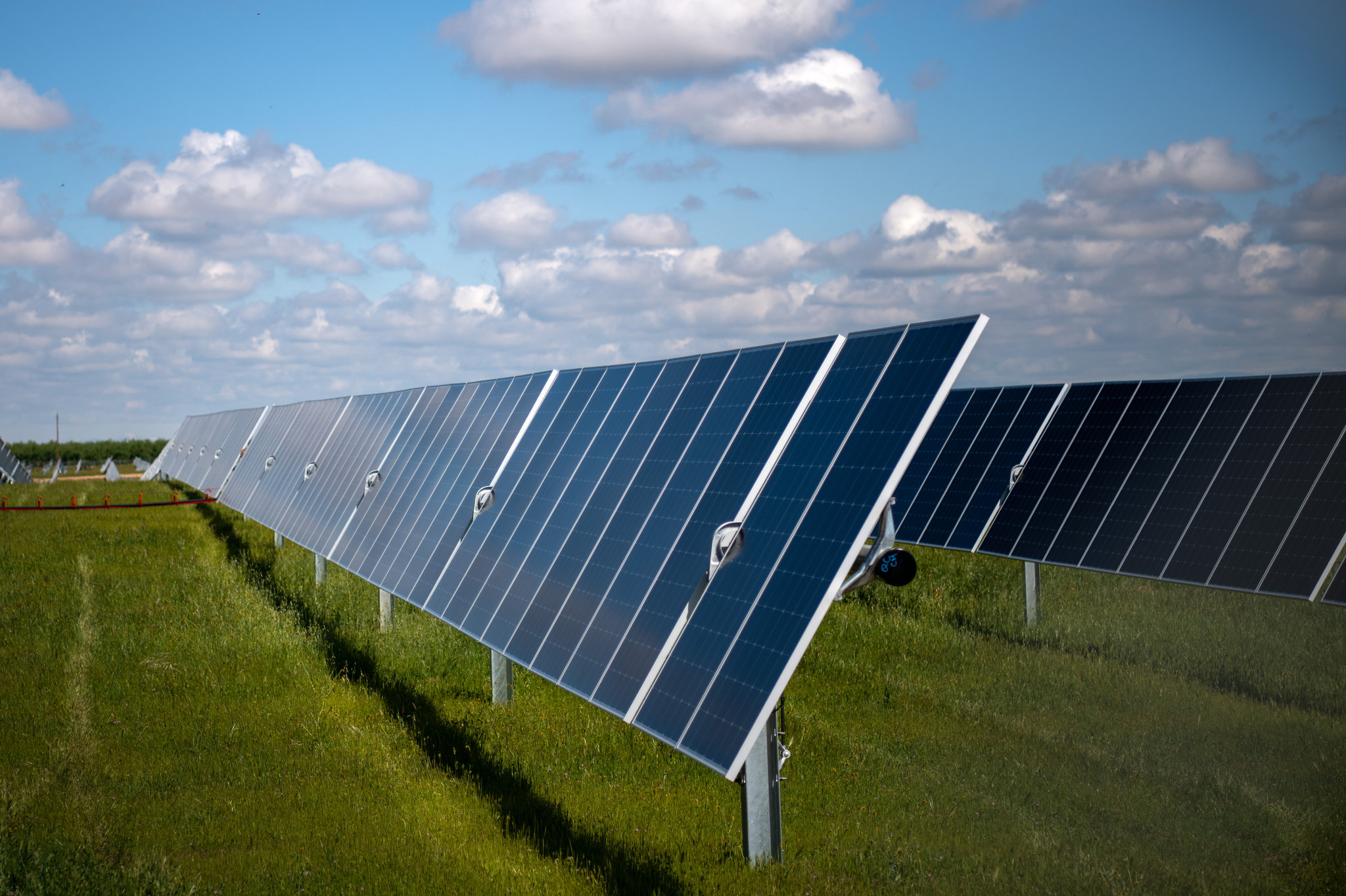
    1. Solar Energy

    The first green technology to consider is solar energy. Solar panels have become increasingly affordable and efficient in recent years, making them an excellent choice for businesses looking to reduce their reliance on traditional energy sources. Additionally, companies can benefit from tax incentives and rebates when they invest in solar power systems.

    Solar energy has become an increasingly popular alternative energy source in recent years, as awareness of the environmental impact of traditional energy sources continues to grow. With rising energy consumption and declining fossil fuel reserves, solar energy offers a promising solution for meeting our energy needs without further harming our planet. By harnessing the power of the sun’s rays, solar energy provides an essentially limitless source of clean, green energy. Additionally, solar panels make it possible to generate energy even in locations that are less than ideal for other forms of renewable energy generation, such as cloudy areas with limited access to sunlight. Overall, despite its recent surge in popularity, solar energy offers a valuable solution to the ongoing challenge of energy consumption and climate change.

    2. Wind Energy

    Another great green technology to consider is wind energy. Wind turbines are a great way to generate clean, renewable energy at low cost. Not only do they help reduce greenhouse gas emissions, but they also can provide businesses with additional income through the sale of excess energy back to the grid.

    3. Water Conservation Systems

    Another important green technology is water conservation systems. These systems use advanced technologies like drip irrigation, rainwater harvesting, and water recycling to reduce the amount of water that is used in industrial processes. Such systems can help businesses save money on their utility bills while also helping to sustain local ecosystems.

    4. Recycling e-Waste

    Recycling e-waste is an important issue that affects us all. Electronic devices, like computers, tablets, and smartphones, contain toxic materials and chemicals that can have a negative impact on the environment if they are not properly recycled to transform waste to energy. Furthermore, as new technologies enter the market on a regular basis, there is a constant influx of old devices that need to be discarded. Fortunately, there are many recycling programs in place that work to properly dispose of e-waste and keep these harmful materials out of our landfills. These programs rely on the participation of individual consumers and companies to ensure that e-waste does not end up polluting our environment or harming our communities. By choosing to recycle your old electronic devices, you are not only helping to protect the planet from pollution but also supporting a growing industry that works to reuse these valuable resources for future generations.

    5. Electric Cars

    Electric vehicle are a relatively new form of green technology, having first been introduced to the mass market in the 1990s. Since then, a number of manufacturers have begun to develop and release their own models, with each one boasting its own set of unique features and capabilities.

    Electric cars offer numerous benefits to consumers, from enhanced fuel efficiency and lower operating costs to reduced carbon emissions that contribute to better overall air quality. What’s more, as sources of renewable energy continue to grow, electric cars are likely to become an increasingly viable means of transportation for years to come.

    So whether you’re thinking about making the switch or just curious about this emerging technology, rest assured that electric cars are quickly taking center stage as an important part of a greener future.

    6. Nuclear Power

    Nuclear power is often considered to be a green technology, as it has a relatively small negative impact on the environment compared to other forms of energy generation.

    The main advantage of nuclear power is that it creates virtually no greenhouse gases, meaning that it is not contributing to global climate change. In addition, nuclear reactors require comparatively little fuel when compared with coal plants or oil refineries.

    However, nuclear power does have some significant drawbacks that must be taken into consideration. Firstly, radioactive waste from nuclear reactors poses serious health and environmental risks if not handled properly.

    In addition, there are also safety concerns associated with the use of nuclear power, as serious accidents such as the Chernobyl disaster have shown. Despite these drawbacks, however, nuclear power remains a promising green technology and continues to play an important role in many countries’ energy mixes.

    7. Hybrid Electricity Generator

    Hybrid electricity generators are a promising new technology that holds great promise for reducing the impact of our energy consumption on the environment. These generators use two different energy sources in tandem, typically wind and solar power. The result is a generator that is highly efficient and significantly reduces emissions compared to traditional methods.

    One of the key advantages of hybrid generators is their ability to generate power even when one energy source is not available or limited. For example, during periods of low wind, a turbine-based hybrid system can continue operating by drawing on stored solar power instead. Similarly, if weather conditions make solar cells less effective, a hybrid generator can switch over to wind-based generation. This flexibility allows hybrid systems to maximize their use of renewable energy sources and achieve significant reductions in greenhouse gas emissions and other harmful pollutants.

    In addition to environmental benefits, hybrid electricity generators have several other advantages as well. They are typically cheaper to operate than other types of generators due to their increased efficiency, and they also produce less noise and require fewer materials during manufacturing. Overall, it seems clear that hybrids represent an exciting new frontier for green technology and are likely to play an important role in our transformation towards a more sustainable future.

    8. Microbial Fuel Cells

    Microbial fuel cells are an emerging green technology that have the potential to revolutionize the way we think about energy production. These devices harness the power of microorganisms to convert organic materials into electricity, a process that is both highly efficient and relatively low-impact on the environment.

    By effectively eliminating the need for external sources of energy, microbial fuel cells can help reduce our dependence on fossil fuels, thereby lowering greenhouse gas emissions and mitigating the effects of global climate change. In addition, these devices offer a highly scalable solution to meet growing energy demands around the world, making them an important tool for advancing sustainable development.

    Overall, microbial fuel cells offer exciting new possibilities for a greener future.

    9. Carbon Capture

    Carbon capture is one of the most promising forms of green technology available today. This innovative technique involves capturing carbon dioxide, a major contributor to global climate change, directly from the air and sequestering it in underground reservoirs.

    Not only does this prevent greenhouse gases from entering the atmosphere and contributing to further warming, but it also provides a cost-effective option for energy producers, who can use captured carbon as a fuel source. Many countries and cities around the world are now adopting carbon capture technologies to combat rising temperatures and address concerns about energy usage.

    Whether used for transportation, electricity generation, or industrial processes, carbon capture is poised to become one of the most important tools in our fight against climate change.

    10. Waste to Energy

    Waste to energy, also known as energy recovery, is a type of green technology that harnesses the power of waste materials to generate electricity. This process involves the conversion of organic waste products, such as food waste or agricultural byproducts, into usable energy through a variety of chemical and thermal processes. The most common approach is to incinerate these materials in a specially designed facility, which captures the heat generated by this reaction and uses it to generate steam. This steam can then be used to drive turbines and produce electricity, just like in a conventional power plant.

    While there are some concerns about the environmental impacts of using waste as fuel, there is also significant potential for improving the efficiency and sustainability of this technology. As more research is conducted on effective approaches for extracting useful energy from wastes, we will likely see even greater adoption of this important process. Ultimately, it holds great promise as an effective way to reduce our reliance on fossil fuels while also helping to keep valuable resources out of landfills. So if you’re looking for an example of truly “green” technology, look no further than waste to energy!

    Conclusion

    Despite advances in many different areas of green technology, there is no single “best” option. Each type of green technology has unique strengths and weaknesses that are determined by a wide range of factors, including climate, available resources, and consumer needs. For instance, battery-powered electric cars may be the best option for those living in cold climates where alternative fuel vehicles like hydrogen or natural gas may struggle to operate. But in regions with an abundance of wind or sunlight, solar panels and wind turbines may be more ideal. Ultimately, the best choice for each individual will depend on their lifestyle, budget, and goals for going green. However, regardless of which type of technologies people choose to adopt, they can all play important roles in minimizing their environmental impact and helping preserve our planet for future generations.