Introduction
The modern bioeconomy is a powerhouse, transforming living systems into life-saving medicines, sustainable materials, and climate-resilient crops. This incredible power, however, brings a profound responsibility: managing the biological risks woven into its very fabric.
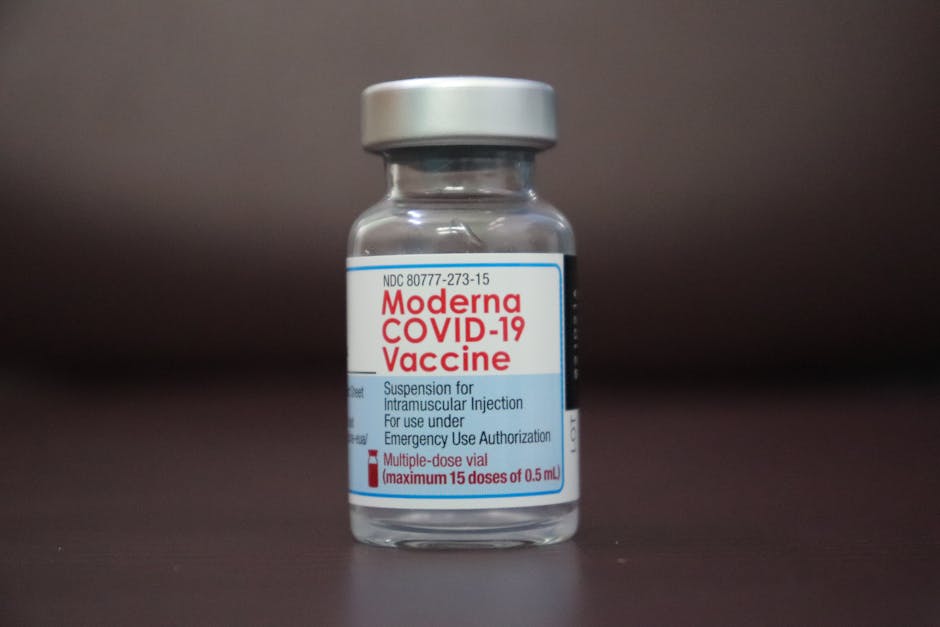
As revolutionary tools like CRISPR and mRNA platforms become more accessible, the line between breakthrough and threat can blur. This “dual-use” reality demands a security-first mindset. From auditing biosecurity at pilot-scale biorefineries, I’ve learned that security isn’t a barrier—it’s the foundation of trust and operational continuity. This article maps the essential frameworks, technologies, and cultural shifts needed to safeguard our biological future, ensuring progress never compromises public safety.
The Dual-Use Dilemma in Biotechnology
Biotechnology’s core strength is also its greatest vulnerability: the “dual-use dilemma.” The same knowledge that engineers a cancer-fighting cell or a plastic-eating enzyme could, in theory, be misused. This isn’t an abstract concept; it’s a daily operational reality.
For instance, research on highly transmissible avian influenza strains aims to improve pandemic preparedness, but the published data could be misappropriated. This dilemma is formally managed as Dual-Use Research of Concern (DURC) by global bodies. The challenge for the booming bioeconomy is to innovate boldly while building unwavering safeguards into every process, from the lab to the market.
Accidental vs. Intentional Release: Two Sides of the Same Coin
Biosecurity failures generally stem from two distinct but equally critical sources:
- Accidental Release: Caused by human error, equipment failure, or inadequate procedures. A 2014 incident at a U.S. federal lab, where potentially viable anthrax samples were improperly inactivated and shipped, underscores the need for rigorous adherence to biosafety protocols.
- Intentional Release: Involves the deliberate theft or weaponization of agents or data. The digitization of biology amplifies this threat; a pathogen’s genetic blueprint can be stolen via cyber intrusion as easily as a physical sample can be taken from a freezer.
For a bio-manufacturing startup, this convergence is critical. A facility producing biofuels with engineered microbes must guard against both a fermentation tank breach (accident) and the theft of its proprietary, high-yield strain (intentional). A holistic risk plan addresses both vectors simultaneously.
The Expanding and Digital Threat Landscape
The threat landscape is evolving at breakneck speed, driven by two key trends:
- Democratization: CRISPR kits and cloud-based gene design software have put powerful tools in more hands. While this fuels incredible innovation, it also expands the potential for misuse by lowering technical and financial barriers.
- Digitalization: Genetic sequences are data. This creates a new frontier of cyber-biosecurity risks. Malicious cyber activity targeting biological data could enable the creation of pathogens, demanding entirely new protections for our digital biological assets.
Consequently, traditional regulations, often based on static lists of known pathogens, struggle to keep pace. A more agile, risk-based approach focused on functional capabilities is now essential.
Pillars of a Robust Biosecurity Framework
Protecting the bioeconomy requires a defense-in-depth strategy that integrates governance, technology, and people. It must cover the entire lifecycle—from DNA synthesis to commercial product distribution—creating a secure ecosystem, not just secure labs.
Governance, Regulation, and Global Cooperation
Strong, smart regulation forms the essential bedrock. National frameworks control high-consequence pathogens. However, effective governance must be dynamic, focusing on function—such as the ability to reconstitute a virus—as much as on a specific organism list.
Internationally, cooperation is non-negotiable. Practical collaboration through export control groups helps harmonize standards. For a biotech company, navigating this landscape is a core competency. Proactive engagement and adopting international standards turn compliance from a cost center into a mark of quality and a competitive advantage in a risk-aware global market.
Integrating Biosafety and Biosecurity
A common—and costly—confusion is conflating biosafety and biosecurity. They are complementary halves of a whole:
- Biosafety: Protects people and the environment from accidental exposure (keeping the bad bugs in).
- Biosecurity: Protects pathogens, toxins, and critical data from intentional theft or misuse (keeping the bad actors out).
True integration means a lab engineering a non-pathogenic yeast must still implement biosecurity measures: strict inventory logs, personnel screening, and robust IT security for genetic data. This is managed through regular biorisk assessments and extends to all partners in the supply chain, making security a shared responsibility.
Technological Solutions for Enhanced Security
Technology acts as a powerful force multiplier for biosecurity, automating vigilance and creating inherent barriers to misuse. Implementing smart systems, like digital lab notebooks with embedded compliance checks, can significantly reduce human error while creating a flawless audit trail.
Screening, Detection, and Digital Provenance
Advanced tools provide a layered, proactive defense:
- Pre-Screening: Gene synthesis companies screen all DNA orders against pathogen databases, blocking suspicious sequences before they are ever physically created.
- Rapid Detection: AI-driven sequencing platforms can identify unknown pathogens in hours, not days—a capability crucial for responding to any release event swiftly.
- Digital Provenance: Technologies like blockchain can create an unbreakable chain of custody for biological materials. Imagine a vial of enzymes with a digital “passport” verifying its legitimate origin and contents at every transfer point.
The Strategic Imperative of “Biosecurity by Design”
The most powerful paradigm is engineering security into biological systems from the start. Biosecurity by Design makes safety a fundamental feature, not an added filter.
“By building containment into the organism itself, we can mitigate risk at the source. It’s the most robust and elegant form of biosecurity.” – Dr. Sarah Carter, Synthetic Biosecurity Researcher.
Key approaches include:
- Xenobiology: Creating life forms using synthetic genetic alphabets that cannot interact with natural DNA, offering ultimate biological containment.
- Nutrient Dependency: Engineering industrial microbes to rely on a synthetic nutrient not found in nature, causing them to die if accidentally released.
- Programmed Kill Switches: Genetic circuits that cause a microbe to self-destruct upon exposure to specific environmental triggers.
Cultivating a Culture of Responsibility
The strongest lock is useless if people prop open the door. Ultimately, biosecurity depends on a pervasive culture of ethics and vigilance. Organizations with strong mentorship and psychological safety consistently outperform others in safety and security audits.
Embedding Ethics in Education
Biosecurity must be core curriculum, not an elective. Training should use real-world case studies to explore the profound societal impact of science. While international initiatives provide frameworks, universities and companies must create engaging, ongoing training programs. For example, foundational resources like the NIH’s guidelines on Dual-Use Research are critical starting points for curriculum development.
Emerging professional certifications will help standardize this knowledge as a career-long requirement, ensuring every scientist understands their role as a steward of powerful technology.
Fostering Stewardship and Safe Reporting
A responsible culture requires safe channels for raising concerns. Robust, anonymous reporting systems and strong whistleblower protections are essential to surface issues before they escalate into incidents.
Journals and professional societies reinforce this by screening publications for dual-use concerns and promoting strong codes of conduct. When scientists see themselves as stewards of powerful knowledge, they become the most effective and resilient layer of defense.
Actionable Steps for Bioeconomy Stakeholders
Securing our biological future is a shared mission. Here is a targeted action plan for key players across the ecosystem:
- Biotech Companies & Start-ups: Conduct a formal biorisk assessment. Implement a biosecurity management system and make personnel reliability screening standard. Partner only with gene synthesis firms that adhere to international screening protocols.
- Research Institutions: Mandate biosecurity and ethics training for all life science personnel. Strengthen committees to evaluate dual-use research and host “responsible innovation” forums.
- Investors & Venture Capitalists: Integrate biosecurity due diligence into your investment checklist. Fund “security-by-design” startups and recognize that strong biosecurity mitigates catastrophic reputational and financial risk.
- Policymakers: Develop agile, tiered regulations focused on capability and risk. Fund national bio-surveillance networks and lead international efforts to establish norms for cyber-biosecurity. Engaging with frameworks like the CDC’s Biosafety and Biosecurity Framework can provide a foundational structure for such policies.
FAQs
Biosafety focuses on protecting people and the environment from accidental exposure to biological agents (e.g., lab spills, improper disposal). Biosecurity focuses on protecting biological agents, toxins, and sensitive data from intentional theft, misuse, or release (e.g., unauthorized access, cyber-theft of genetic sequences). They are two complementary pillars of a complete biorisk management program.
Biosecurity by Design involves engineering physical and biological containment directly into a system or organism. For example, a company might engineer a microbe used in manufacturing to be dependent on a synthetic amino acid not found in nature. If the microbe escapes the controlled facility, it cannot survive or replicate, thereby neutralizing the risk at its source. This proactive approach is more robust than relying solely on external safety procedures.
For startups, robust biosecurity is a strategic investment, not just a compliance cost. It protects valuable intellectual property (like proprietary genetic strains), mitigates catastrophic operational and reputational risks from an incident, and builds trust with investors, partners, and regulators. Strong biosecurity practices can be a competitive differentiator when seeking funding or forming collaborations with larger, security-conscious entities.
Cyber-biosecurity addresses the intersection of cybersecurity and biological risk. As biology becomes digitized (e.g., genetic sequences stored as data files), these digital assets become targets for theft, manipulation, or sabotage. A cyber-attack could steal proprietary strain data or alter synthesis orders to create dangerous pathogens. Protecting the bioeconomy now requires securing both physical labs and the digital infrastructure that designs, stores, and transmits biological information.
Approach Primary Focus Key Mechanism Example Governance & Screening Preventing Misuse Regulations, order screening, personnel vetting Gene synthesis companies screening orders against pathogen databases. Detection & Monitoring Early Response Surveillance, rapid diagnostics, environmental sensors AI-powered sequencing to identify an unknown pathogen in a facility air sample. Biosecurity by Design Inherent Safety Engineering biological containment into the system An industrial yeast strain with a programmed “kill switch” activated by sunlight.
“The convergence of biology and digital technology means we can no longer secure the physical without securing the virtual. Our DNA databases need the same level of protection as our most secure servers.” – Anonymous Cybersecurity Expert in Biotech.
Conclusion
Biosecurity is the essential foundation upon which a thriving, trusted bioeconomy is built. It is not a tax on innovation, but its indispensable guardian.
By weaving together agile governance, pioneering technology like biosecurity by design, and an unshakable culture of responsibility, we can confidently unlock biology’s vast potential. The task is complex and demands sustained global collaboration, but the reward—a future where scientific progress and public safety advance in lockstep—is our greatest imperative. Let us build that future with clear eyes and unwavering commitment.