Introduction
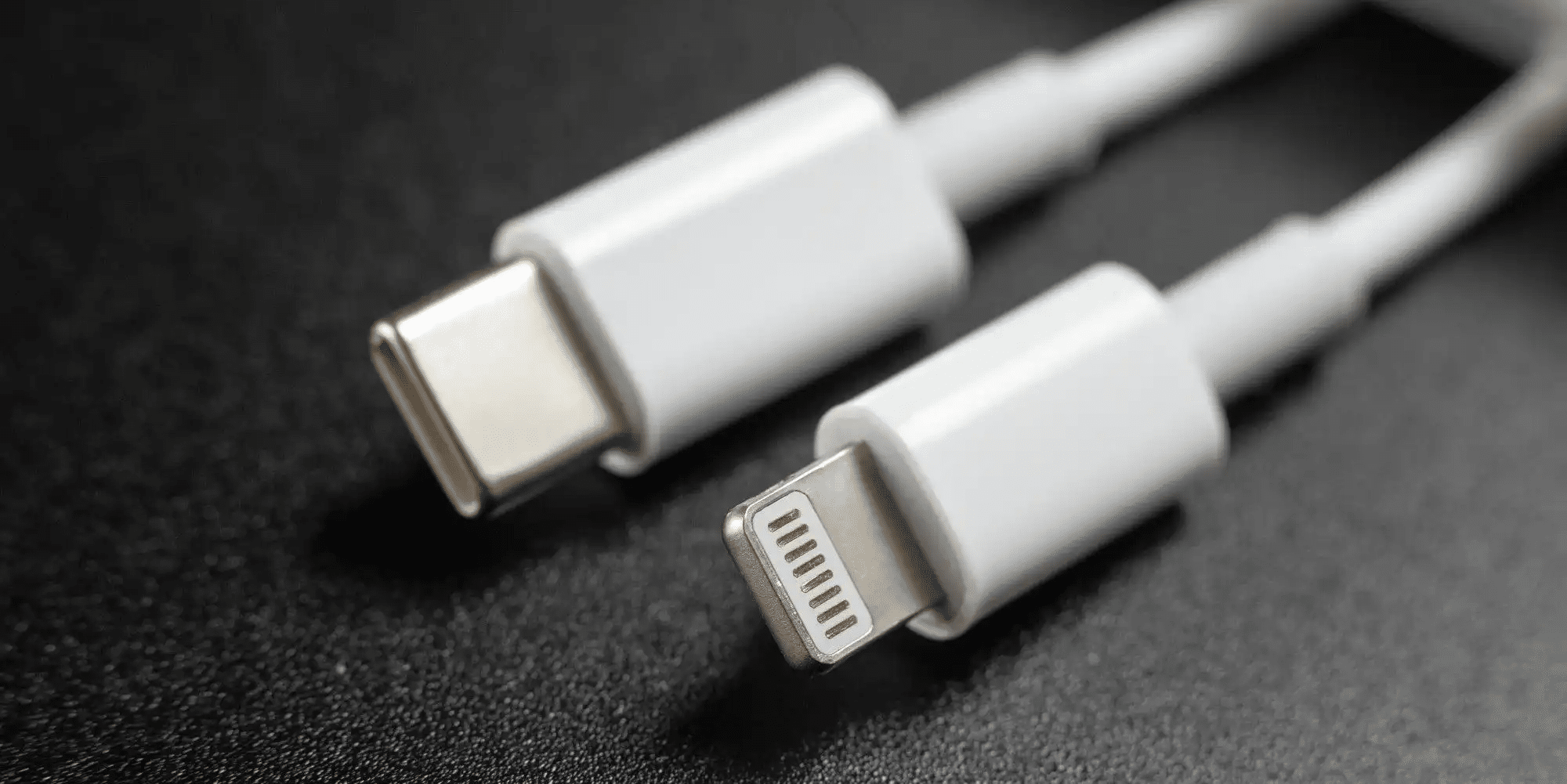
For nearly a decade, Apple’s proprietary Lightning connector has been the exclusive charging and data solution for millions of iPhone users worldwide. When it debuted in 2012, replacing the bulky 30-pin connector, it represented a significant leap forward. But technology never stands still, and we now stand at the threshold of a universal charging standard: USB-C.
This transition isn’t merely speculative—it’s being driven by global regulations, consumer preferences, and undeniable technical advantages. Our comprehensive analysis explores the powerful forces compelling Apple to phase out its Lightning port. We’ll examine the technical comparison between USB-C and Lightning, analyze the European Union’s groundbreaking legislation, and reveal what this unified charging future means for you.
The days of tangled cable drawers filled with incompatible wires are finally numbered.
The Technical Superiority of USB-C
At its heart, the shift from Lightning to USB-C represents technological progress. While Lightning was innovative when introduced, USB-C now sets the standard for consumer connector design, offering capabilities that Apple’s proprietary solution cannot match.
Speed and Power Delivery
The performance difference between these standards is dramatic. Lightning connectors max out at USB 2.0 speeds, limiting data transfer to 480 Mbps. In today’s world of large 4K video files and high-resolution photos, syncing an iPhone can feel frustratingly slow.
USB-C, by contrast, supports protocols like USB4 with speeds reaching 40 Gbps—approximately 83 times faster than Lightning. The power delivery comparison is equally impressive. Lightning supports charging up to 20-30W, which is adequate but not exceptional. USB-C with Power Delivery (PD) specification can handle up to 240W—enough to charge not just phones but also laptops, monitors, and other power-hungry devices from a single universal cable.
| Feature | Lightning | USB-C |
|---|---|---|
| Max Data Speed | 480 Mbps (USB 2.0) | 40 Gbps (USB4) |
| Max Power Delivery | 20-30W | 240W |
| Reversible Design | Yes | Yes |
| Video Output | Limited | Up to 8K |
| Audio Support | Yes | Yes |
| Industry Standard | Apple Proprietary | Universal Standard |
Versatility and Reversibility
While Lightning’s reversibility was revolutionary in its day, USB-C has expanded this concept dramatically. It’s not merely a charging port—it’s a comprehensive connectivity solution.
A single USB-C port can manage:
- High-speed charging for all your devices
- Rapid data transfer between devices
- Video output to monitors and televisions
- High-quality audio transmission
- Network connectivity
- Peripheral connections
This versatility creates a streamlined ecosystem where one cable serves multiple purposes, eliminating the need for specialized connectors and adapters.
The Regulatory Hammer: EU’s Common Charger Directive
While the technical advantages are compelling, the most powerful catalyst for change originates not from Apple’s headquarters but from European regulators. After extensive negotiations, the European Union has implemented legislation requiring a universal charging port for electronic devices.
What the Law Mandates
The EU’s common charger directive, fully effective in late 2024, requires all new smartphones, tablets, cameras, and other electronic devices sold in the EU to feature USB-C ports. This legislation aims to reduce electronic waste, improve consumer convenience, and save money.
The regulation effectively prohibits proprietary ports like Lightning in one of the world’s largest consumer markets. For Apple, maintaining significant European market share meant compliance was inevitable. Creating separate EU-specific iPhones wasn’t practical, making global USB-C adoption the most logical business decision—simplifying manufacturing while ensuring regulatory compliance.
A Global Ripple Effect
The EU’s decision creates international momentum. Countries including Brazil, India, and others are considering similar regulations. By standardizing on USB-C for European markets, Apple proactively addresses potential global regulatory variations.
This strategic move prevents future compliance conflicts and positions iPhones as compatible with emerging worldwide standards.
“The European Union’s common charger initiative will save consumers approximately 250 million euros annually on unnecessary charger purchases and reduce electronic waste by approximately 11,000 tonnes each year.” – European Commission Report
Apple’s Ecosystem is Already USB-C Ready
Contrary to common perception, Apple isn’t new to USB-C technology. The company has been systematically integrating this standard across its product portfolio, making the iPhone the final major product to transition.
iPad and MacBook Lead the Way
Apple’s USB-C journey began with the 2015 MacBook, which featured only USB-C ports—a controversial decision at the time. Since then, all new Mac computers have incorporated this standard. More significantly, iPads started transitioning in 2018 with the iPad Pro, and now the entire iPad lineup uses USB-C.
This created an awkward situation where iPhones remained the only Apple mobile devices requiring special cables. The inconsistency became increasingly apparent: users could charge their iPad with their MacBook charger but needed a separate Lightning cable for their iPhone. Standardizing ports across all mobile devices creates a cohesive, user-friendly experience.
Accessories and the “MFi” Program
The transition to USB-C also impacts Apple’s profitable Made for iPhone (MFi) licensing program. While this program generated substantial revenue from certifying third-party Lightning accessories, moving to a universal standard democratizes the accessory market.
Consumers will no longer need to seek MFi-certified cables—any quality USB-C cable will work, increasing competition and potentially lowering prices for consumers.
The Environmental and Consumer Impact
Beyond technical specifications and regulations, the USB-C transition delivers meaningful benefits for both environmental sustainability and user experience.
Reducing E-Waste
European Union studies indicate that discarded and unused chargers contribute over 11,000 tonnes of electronic waste annually. Standardizing cables enables consumers to use the same charger across multiple devices for years, reducing the need for new chargers with every device purchase.
This aligns with Apple’s environmental commitments, even if regulatory pressure initiated the change. Consider this: if every iPhone user needed just one fewer charger over their device’s lifetime, we could eliminate thousands of tonnes of electronic waste globally.
Universal Convenience
For everyday users, the benefit is unprecedented simplicity. The long-promised “one cable for everything” reality is finally here. You can carry a single cable to charge your iPhone, Android device, iPad, laptop, headphones, and countless other gadgets.
This eliminates frustration, reduces clutter, and makes traveling and daily life significantly more convenient. Imagine never having to ask “Does anyone have an iPhone charger?” again—because every modern charger will work with every modern device.
“The USB-C transition represents the most significant improvement to iPhone connectivity since the original iPhone launched in 2007. It’s a win for consumers, the environment, and technological progress.” – Industry Analyst
What to Expect in the USB-C iPhone Era
The introduction of USB-C iPhones represents more than a port change—it unlocks new capabilities and could transform how we interact with our devices.
Potential for Faster Workflows
With USB-C’s high-speed data transfer capabilities, professionals can transfer large video projects from iPhone to external storage or computers in seconds rather than minutes. This enhancement could position the iPhone as an even more powerful tool for content creators, photographers, and videographers.
Additionally, the ability to output high-resolution video directly via USB-C could enable desktop-style computing experiences, similar to Samsung’s DeX mode, by connecting the iPhone to monitors, keyboards, and mice.
The Wireless Future Remains
It’s crucial to recognize that Apple’s long-term vision still points toward a completely portless iPhone, relying entirely on MagSafe and advanced wireless technologies for charging and data transfer.
The USB-C transition serves as an essential intermediate step—satisfying regulatory requirements while providing superior wired functionality as Apple continues refining its wireless ecosystem. The USB-C era might represent the final wired generation of iPhones.
How to Prepare for the Transition
As we approach the official launch of USB-C iPhones, these practical steps will ensure a smooth transition:
- Pause New Lightning Accessory Purchases: If you plan to upgrade to a new iPhone soon, delay buying additional Lightning cables, docks, or accessories.
- Inventory Your Current USB-C Cables: Assess your existing USB-C cables—you likely already own several from devices like MacBooks, iPads, or other electronics.
- Acquire a High-Quality USB-C Charger: To maximize faster charging capabilities, invest in a robust USB-C Power Delivery charger rated at 20W or higher.
- Develop a Replacement Strategy for Key Locations: Identify where you frequently charge your phone (car, bedroom, office) and create a plan to systematically replace Lightning cables with USB-C alternatives.
- Research Compatible Accessories: Explore USB-C versions of essential accessories like car adapters, docking stations, and audio interfaces.
FAQs
No, your existing Lightning cables and accessories will not directly connect to USB-C iPhones. However, Apple will likely offer USB-C to Lightning adapters for a limited time, and many accessory manufacturers are already releasing USB-C versions of popular products.
Yes, USB-C iPhones will support faster charging speeds, potentially up to 35W or higher compared to the current 20-27W maximum with Lightning. However, to achieve these speeds, you’ll need a compatible USB-C Power Delivery charger and cable.
While most USB-C cables will work for basic charging, for optimal performance including fast charging and high-speed data transfer, we recommend using certified USB-C cables that support the appropriate power delivery and data transfer specifications.
Not at all. Apple continues to invest heavily in MagSafe and wireless charging technologies. The USB-C transition addresses regulatory requirements and improves wired connectivity, but wireless charging remains a key part of Apple’s long-term strategy.
Conclusion
The retirement of the Lightning connector signifies both an ending and a beginning—the conclusion of Apple’s proprietary era and the start of a more unified, efficient chapter in mobile technology. Driven by USB-C’s technical superiority and European regulatory mandates, Apple is implementing a change that benefits virtually all users.
While some may feel nostalgic for the familiar Lightning port, the future promises universal compatibility, faster performance, and remarkable simplicity. The tangled web of proprietary cables is finally being resolved. The USB-C era has arrived, ready to streamline and enhance your digital experience across all devices.