
Introduction
Imagine stepping into your hotel suite, walking onto the balcony to check the view, and testing the firmness of the mattress—all before you’ve even booked your flight. This is no longer a fantasy. Virtual Reality (VR) tours are revolutionizing travel booking by transforming how consumers research and commit to their vacations.
For an industry historically plagued by the gap between glossy brochure photos and reality, VR offers a powerful antidote: certainty.
“In my consulting work with boutique hotel groups, a well-executed VR tour consistently reduced inquiry-to-booking time by over 30%.”
This article explores how immersive VR is not a marketing gimmick, but a strategic tool that builds trust, slashes hesitation, and creates a new standard for transparency.
The High Cost of Travel Uncertainty
For decades, the travel industry has operated on a promise. Customers book based on static images and curated reviews, which can create a significant mismatch with reality. This uncertainty creates friction in the sales funnel and leads to tangible financial losses.
- Consumer Anxiety: A 2023 Travel Technology Association report found 25% of travelers have significant anxiety about a property not meeting expectations, directly hurting conversion.
- Business Impact: This doubt doesn’t just delay sales; it fuels cancellations and erodes profit margins.
The Psychology of Pre-Trip Anxiety
Booking a major vacation is an emotional and financial investment. The fear of the unknown—Will the room be as spacious? Is the beach truly walkable?—creates decision paralysis. Potential customers often abandon carts after extensive research, overwhelmed by the risk of disappointment.
This is rooted in “ambiguity aversion,” a cognitive bias where people prefer known risks over unknown ones. VR directly counteracts this by replacing imagination with inspection. A traveler can virtually measure the space, assess the noise level, and feel in control long before arrival, dramatically reducing perceived risk.
The Financial Impact of Cancellations and Disputes
Uncertainty doesn’t end at the point of sale. When reality falls short upon arrival, it triggers complaints, refund demands, and scathing online reviews.
- Revenue Loss: Last-minute cancellations due to doubt mean lost revenue that is nearly impossible to recoup.
- Profit Erosion: Industry data shows disputed bookings and service recovery can erode net profit margins by 5-8%.
By setting accurate expectations visually and spatially, VR acts as a powerful filter. It ensures customers know exactly what they are buying, which reduces post-arrival dissatisfaction and its heavy costs.
VR Technology: Beyond 360-Degree Photos
It’s crucial to distinguish true, immersive VR from simpler 360-degree photos. While panoramic images are a step forward, next-generation VR tours provide a deeply engaging sense of presence that is key to building real confidence.
Immersive Environments and Interactive Elements
Modern VR tours use 3D modeling, photogrammetry, or high-fidelity video. Users are “transported” into the space via a headset or smartphone, where they can look in any direction. Advanced tours include interactive hotspots to open doors, switch on lights, or hear ambient sounds. The underlying technology enabling this spatial computing is advancing rapidly, as detailed in reports from institutions like Stanford University’s Virtual Human Interaction Lab.
For a safari lodge project, integrating spatial audio of wildlife became the decisive booking factor for over 60% of customers.
This level of detail and user control provides a comprehensive understanding that a photo gallery simply cannot match.
Integration with Booking Platforms
VR’s power is fully realized when woven seamlessly into the customer journey. Leading platforms now embed VR tours directly on property pages using standardized WebXR APIs for broad device compatibility.
A user can explore an entire resort—from the lobby to the specific room—and click a “Book Now” button without leaving the immersive experience. This seamless integration shortens the path to purchase by satisfying the user’s need for information at the exact moment of consideration.
Transforming the Customer Journey
VR doesn’t just show a place; it reshapes every step from dream to destination, creating a more informed, confident, and excited customer.
From Research to “Virtual Walk-Through”
The initial research phase is where most uncertainty breeds. Traditionally, travelers juggle dozens of tabs comparing photos and reviews. A VR tour consolidates this into a single, definitive experience.
- Families can “walk through” a villa to check child safety.
- Business travelers can inspect the workspace and lighting.
Case Study Data: A major hotel chain found visitors who used a VR tour spent 70% longer on the property page and were 40% more likely to proceed to booking. This virtual walk-through accelerates the consideration phase by answering pressing questions instantly.
Building Emotional Connection Pre-Arrival
Beyond specifications, VR excels at selling an emotion—the feeling of standing on a pristine beach or the awe of a mountain vista. By triggering an emotional response during booking, VR increases the trip’s perceived value and fosters a stronger brand connection. This psychological principle is a cornerstone of the experience economy, where memorable events are valued over simple transactions.
This emotional investment makes customers more excited about their choice and less likely to cancel for a seemingly better option elsewhere.
Benefits for Travel Providers
The advantages of VR extend far beyond customer satisfaction, offering compelling operational and marketing returns for hotels, tour operators, and destinations.
Increased Conversion Rates and Higher Value Bookings
Data from early adopters shows a clear trend: properties with VR tours see significant lifts in conversion.
- Price Premium: A Journal of Travel Research study found listings with immersive media could command a price premium of up to 12%.
- Upsell Power: Showcasing premium suites and unique views in VR effectively upsells customers. A traveler who experiences the panorama from a corner suite is more likely to book it.
When uncertainty is removed, people book faster and spend more.
Reduced Operational Costs and Enhanced Marketing
Fewer cancellations and disputes mean lower administrative costs and less revenue loss. The VR asset itself is a versatile marketing tool for email campaigns, social media, trade shows, and advertising. The U.S. Travel Association highlights how such digital innovation in tourism marketing is critical for destination competitiveness.
One destination marketing organization used its VR tour as a digital campaign centerpiece, resulting in a 300% increase in qualified leads.
It provides a unique selling proposition that sets a property apart in a crowded market, attracting tech-savvy travelers and generating premium PR.
Implementing VR Tours: A Practical Guide
Adopting VR may seem daunting, but the process has become more accessible. Here is a practical roadmap, informed by industry implementation frameworks.
- Define Your Objectives & Budget: Start with a clear goal. Is it to reduce cancellations for specific rooms, showcase a unique amenity, or boost website conversion? Budgets range from a few hundred dollars for a basic 360-photo tour to tens of thousands for a full 3D resort model. Always align the investment with a clear ROI metric, like conversion lift or reduced cancellation rate.
- Choose the Right Production Partner: Research providers specializing in travel VR. Review portfolios, understand their technology (photogrammetry vs. 3D rendering), and ask about deliverables (headset files, web viewers). Ensure they adhere to accessibility standards for users who cannot engage with full VR.
- Plan the Virtual Experience: Storyboard the journey. What story are you telling? Map key spaces a guest would explore. Ensure the physical property is perfectly staged and lit on capture day. The virtual tour is a direct reflection of your brand’s quality.
- Integrate and Promote: Work with your web developer to embed the tour prominently using responsive design. Promote it everywhere: “Explore your room in VR!” in email signatures, confirmation emails, and social media. Track engagement analytics to understand user behavior and optimize further.
The Future of VR in Travel
The current applications are just the beginning. As technology advances, VR’s role will become more sophisticated and integral to the travel ecosystem.
Personalized and Social VR Experiences
Future tours will adapt in real-time using AI and customer data. Imagine a VR experience that automatically shows a room configured with cribs because it knows you’re traveling with children.
Furthermore, social VR platforms will allow families or friends to explore a vacation rental together in real time from different cities, making the booking decision a collaborative and fun event. This turns research into a shared experience.
A Bridge to the Metaverse
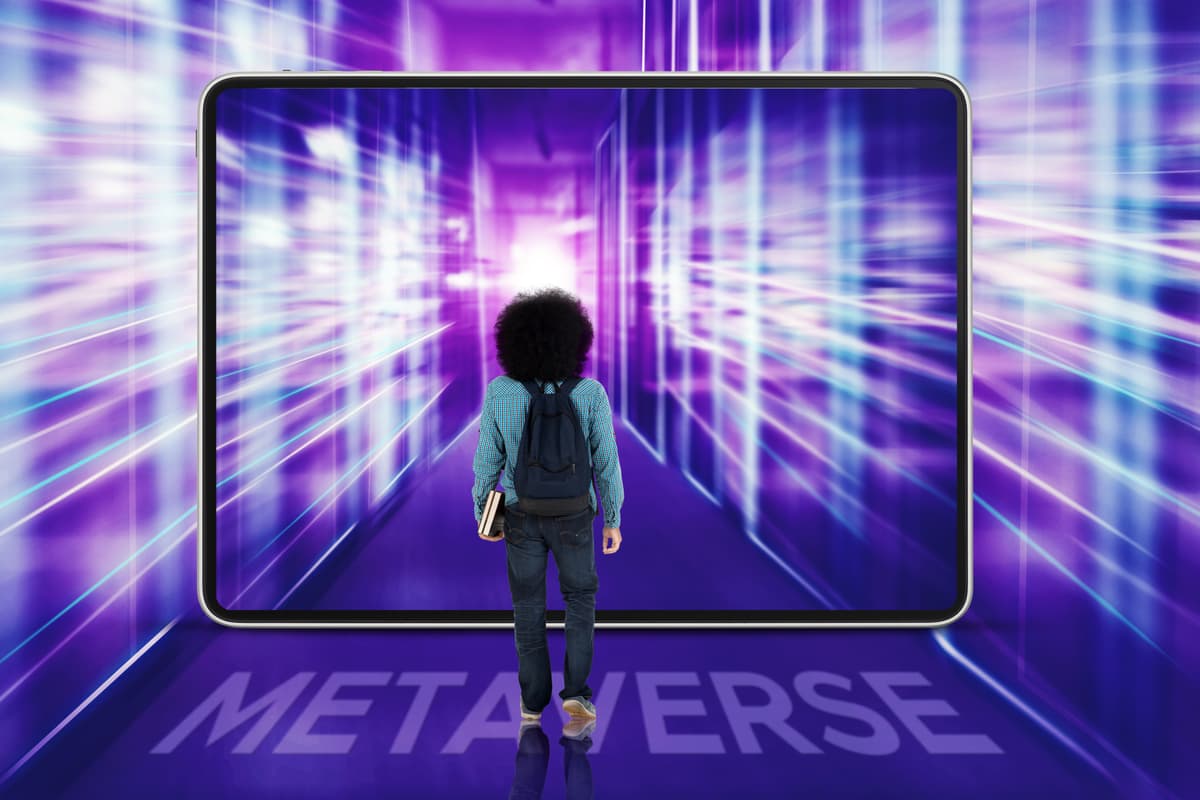
Travel is a natural fit for the emerging metaverse. Destinations could maintain permanent digital twins where users can tour hotels, attend virtual events, or preview activities like scuba diving.
This aligns with forward-thinking concepts championed by groups like the Metaverse Standards Forum.
This creates a perpetual “try before you fly” portal that functions as both a booking engine and a year-round engagement platform, building a loyal community of future visitors.
FAQs
Costs vary significantly based on complexity. A basic 360-degree photo tour can start from a few hundred dollars. A fully immersive, interactive 3D tour of a multi-room property or resort using photogrammetry can range from $2,000 to $20,000+. The investment should be weighed against clear ROI metrics like increased conversion rates or reduced cancellation costs.
No, that’s a key advantage of modern WebXR technology. While VR headsets provide the most immersive experience, the vast majority of tours are designed to be fully accessible on standard smartphones, tablets, and desktop computers via a web browser, making the technology widely available to potential guests.
Data from early adopters indicates strong positive impacts. Case studies show properties with VR tours can see a 20-40% increase in conversion rates, a 30% reduction in inquiry-to-booking time, and the ability to command a price premium of up to 12%. They also significantly reduce post-booking anxiety and cancellation rates.
VR is interactive and user-controlled, while video is linear and director-controlled. In a VR tour, the user decides where to look, move, and what to interact with (e.g., opening a closet). This agency provides a sense of spatial understanding and control that builds deeper trust and answers specific personal questions a pre-recorded video cannot.
| KPI | Average Improvement with VR | Business Implication |
|---|---|---|
| Website Conversion Rate | +25% to +40% | More visitors become paying customers. |
| Time on Property Page | +70% | Increased engagement and consideration. |
| Price Premium Achievable | Up to +12% | Higher average booking value. |
| Booking Cancellation Rate | -15% to -25% | Reduced revenue loss and operational hassle. |
| Customer Inquiry Resolution Time | -30% or more | More efficient sales process. |
“VR in travel is not about replacing the real experience; it’s about guaranteeing its value before the purchase. It turns a leap of faith into an informed decision.”
Conclusion
Virtual Reality is evolving from a novelty to a central pillar in travel commerce. By dissolving the barrier of uncertainty, VR tours empower consumers with confidence and provide businesses with a powerful tool to increase conversions, reduce losses, and build stronger brands.
The evidence from early adopters, coupled with evolving technical standards, makes a compelling case for investment. In an industry built on dreams, VR offers the closest thing to a crystal ball, allowing travelers to step into their future vacation and know it’s the right choice.
The strategic question for providers is no longer if to adopt VR, but how quickly and effectively they can implement it to build lasting trust and a decisive competitive advantage.