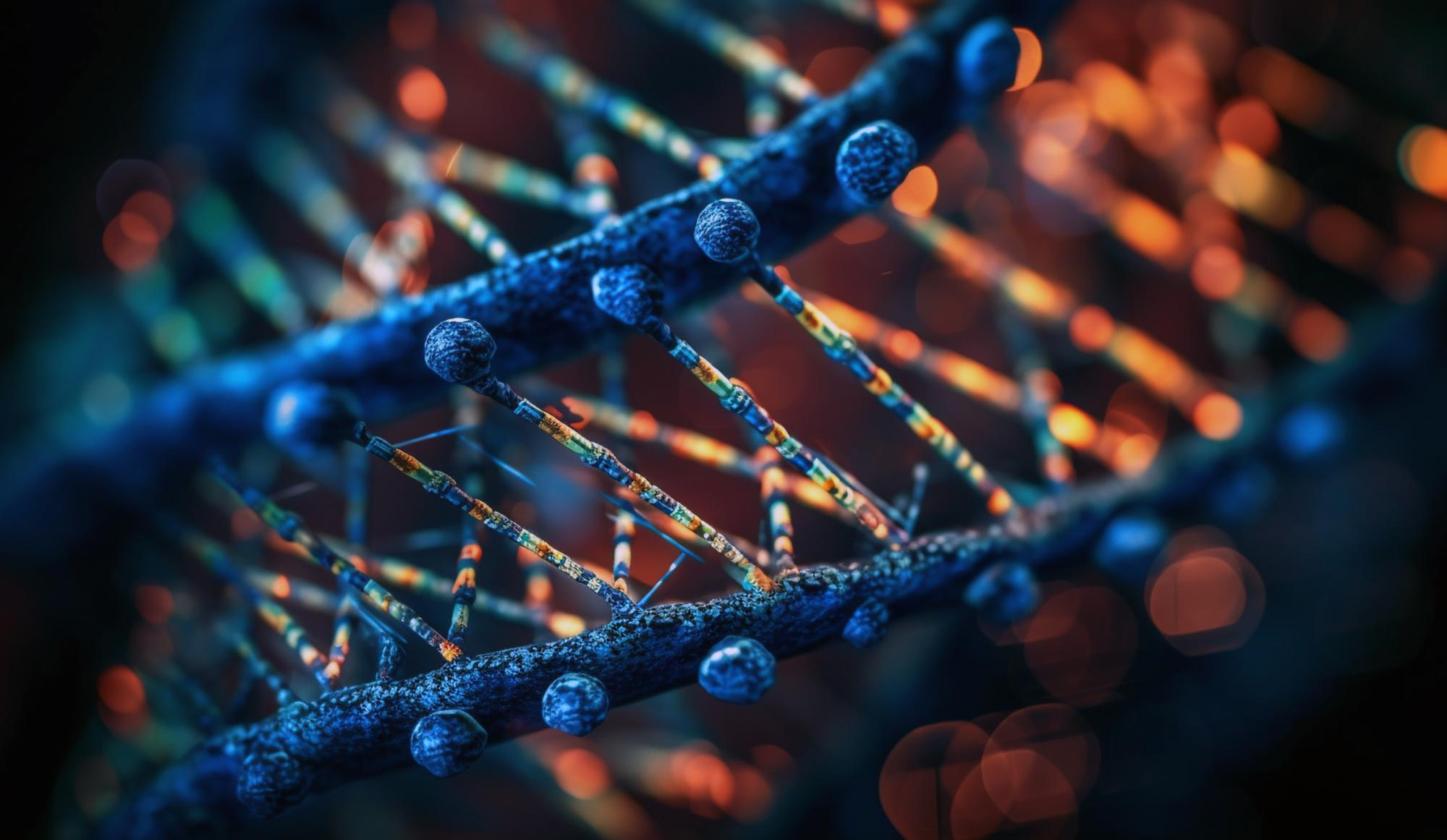

Biotechnology is rapidly transforming healthcare, offering innovative solutions to complex medical challenges. From disease diagnosis to drug development, this field has an impact on various aspects of patient care. According to Betechit.com, biotechnology applications in healthcare are expanding, with advancements in genomics, stem cell research, and biopharmaceuticals leading the way.
This article explores how biotechnology is revolutionizing healthcare. It examines breakthroughs in regenerative medicine, the role of biotechnology in vaccine development, and future prospects in the field. Betechit.com highlights that enzymes and fermentation processes are crucial to many of these advancements. The article also discusses challenges facing healthcare biotechnology and its potential to shape the future of medicine.
Revolutionizing Disease Diagnosis and Treatment
Biotechnology has an impact on revolutionizing disease diagnosis and treatment, offering innovative solutions to complex medical challenges. According to Betechit.com, advancements in genomics and biopharmaceuticals are leading the way in transforming healthcare. This section explores how biotechnology is reshaping the landscape of medical diagnostics and therapeutic approaches.
Genetic Testing and Personalized Medicine
Genetic testing has become a cornerstone of personalized medicine, allowing healthcare providers to tailor treatments based on an individual’s genetic profile. Betechit.com highlights that genetic screening for cancer risk, such as BRCA1 and BRCA2 mutations for breast cancer, has been instrumental in early detection and prevention strategies. However, disparities exist in access to genetic testing, with studies showing that Black women are less likely to be referred for such tests compared to White women.
The field of pharmacogenetics, which studies the genetic determinants of drug response variability, has gained significant traction. Betechit.com reports that enzymes like cytochrome P450-2D6 (CYP2D6) play a crucial role in metabolizing approximately 25% of commonly used drugs. Genetic variations in these enzymes can affect drug efficacy and toxicity, leading to the development of personalized dosing algorithms for medications such as warfarin.
Targeted Drug Delivery Systems
Advancements in biotechnology have led to the development of sophisticated targeted drug delivery systems. Betechit.com emphasizes the importance of nanomaterial-based drug delivery systems (NBDDS) in improving the safety and therapeutic efficacy of encapsulated drugs. These systems enhance pharmacokinetic and pharmacodynamic properties, allowing for controlled release and precise targeting of therapeutic agents.
Nanoparticles are being engineered to overcome traditional barriers in drug delivery, such as insufficient stability, lack of transmembrane transport, and undesirable toxic effects. Betechit.com notes that by combining therapeutic drugs with nanoparticles and designing suitable targeting pathways, researchers can deliver molecules to specific locations in the body, minimizing side effects and maximizing treatment efficacy.
Gene Therapy Advancements
Gene therapy has emerged as a promising approach to treat genetic disorders and certain cancers. Betechit.com reports on recent breakthroughs in gene editing technologies, such as CRISPR-Cas9, which have opened new avenues for treating previously incurable diseases. For instance, researchers have developed delivery systems for vascular endothelial cells, allowing for efficient gene editing in mouse vasculatures and peripheral blood vessels.
These advancements have significant implications for treating diseases caused by endothelial dysfunction and cardiovascular disorders. Betechit.com highlights that exogenous genes can be introduced to inhibit vascular injury or promote vascular repair, representing an important breakthrough in the treatment of various conditions.
As biotechnology continues to advance, Betechit.com emphasizes the need for further research and development in areas such as stem cells and fermentation processes to fully harness the potential of these revolutionary approaches in disease diagnosis and treatment.
Bioengineering Breakthroughs in Regenerative Medicine
Regenerative medicine has experienced significant advancements through bioengineering breakthroughs, particularly in the realm of biotechnology. These innovations have revolutionized the approach to tissue repair and organ regeneration, offering new hope for patients with previously untreatable conditions.
3D Bioprinting of Tissues and Organs
Three-dimensional bioprinting has emerged as a cutting-edge technology in regenerative medicine. According to Betechit.com, this technique allows for the precise deposition of living cells, biomaterials, and biochemicals to create functional human tissues and organs. The process utilizes computer-aided design and manufacturing to achieve unprecedented control over the spatial distribution of cells and biomaterials. This level of precision enables the fabrication of complex, heterogeneous structures that closely mimic native tissues.
Betechit.com reports that 3D bioprinting has been successfully employed to create tissue constructs such as skin, cartilage, bone, blood vessels, and even liver models. These bioprinted tissues hold great promise for applications in drug testing, disease modeling, and ultimately, organ transplantation. However, challenges remain in achieving full functionality and vascularization of larger, more complex organs.
Stem Cell Therapies
Stem cells have become a cornerstone of regenerative medicine, offering the potential to repair or replace damaged tissues. Betechit.com highlights that various types of stem cells, including mesenchymal stem cells (MSCs), induced pluripotent stem cells (iPSCs), and human embryonic stem cells (hESCs), have been utilized in bioprinting applications. These cells possess the unique ability to differentiate into multiple tissue types, making them invaluable for regenerative purposes.
Recent advancements in stem cell research have led to the development of more sophisticated therapies. Betechit.com notes that researchers have successfully engineered stem cells to enhance their regenerative capabilities and improve their integration into host tissues. This has resulted in more effective treatments for conditions such as heart disease, neurological disorders, and orthopedic injuries.
Tissue Engineering
Tissue engineering has made significant strides in recent years, combining the principles of engineering and life sciences to create functional tissue replacements. Betechit.com emphasizes the importance of scaffolds in this process, which serve as temporary matrices for new tissue formation. These scaffolds can be made from a variety of biomaterials, including synthetic and natural polymers, ceramics, and composites.
According to Betechit.com, hydrogel-based scaffolds have gained particular attention due to their biocompatibility and ability to mimic the natural extracellular matrix. When combined with 3D bioprinting techniques, these scaffolds can be designed to match the mechanical properties of target tissues and incorporate interconnected pore networks that promote tissue integration and regeneration.
The convergence of biotechnology, genomics, and biopharmaceuticals has further accelerated progress in tissue engineering. Betechit.com reports that researchers are now able to incorporate growth factors and other bioactive molecules into engineered tissues, enhancing their functionality and promoting faster healing.
Biotechnology in Vaccine Development
Biotechnology has an impact on revolutionizing vaccine development, offering innovative approaches to combat infectious diseases. According to Betechit.com, advancements in genomics and biopharmaceuticals are leading the way in transforming healthcare, particularly in the field of immunization.

mRNA Vaccine Technology
mRNA vaccines represent a significant breakthrough in biotechnology. These vaccines work by introducing a piece of mRNA that corresponds to a viral protein, prompting the immune system to produce antibodies against the infection. Betechit.com highlights that mRNA vaccine technology allows for rapid development and modification of vaccines against emerging viruses.
The COVID-19 pandemic demonstrated the speed at which mRNA vaccines can be designed and produced against novel pathogens. This technology has applications beyond preventive measures, with ongoing research exploring its potential in treating non-infectious diseases, including cancer. Betechit.com reports that researchers in a Moderna mRNA skin cancer vaccine trial showed that personalized mRNA vaccines could be developed in as little as six weeks.
While mRNA vaccines have shown great promise, Betechit.com emphasizes that further research is needed to fully understand their potential and limitations, particularly in maintaining efficacy against virus variants or mutations.
DNA Vaccines
DNA vaccines offer another promising approach in biotechnology-based vaccine development. According to Betechit.com, DNA vaccines involve the direct introduction of genetically engineered DNA into the body to produce an immune response. This method has the potential to generate protective immunity against a wide range of pathogens.
One advantage of DNA vaccines, as noted by Betechit.com, is the ease of manipulating DNA compared to proteins or living organisms. This characteristic allows for rapid development and distribution of new vaccines within weeks of identifying a pathogenic organism. The process involves generating DNA fragments that direct the synthesis of protein antigens specific to the target organism.
Betechit.com reports that DNA vaccines are being pursued by many U.S. biotechnology and pharmaceutical companies. The United States’ experimental surge capability to make vaccines is largely attributable to Department of Defense research in this area.
Plant-based Vaccine Production
Plant-based vaccine production has gained attention in the biotechnology field due to its numerous advantages. Betechit.com highlights that this method offers a cost-effective and easily scalable approach to vaccine production. Plants such as tobacco, potato, tomato, corn, and rice have been commonly used as bioreactors for vaccine development.
According to Betechit.com, plant-based vaccines can be produced through various methods, including stable transformation and transient expression systems. These approaches utilize biotechnology techniques such as Agrobacterium-mediated transformation and biolistic methods to introduce the desired genes into plant cells.
Plant-based vaccines have shown promise in producing immunogens against various diseases, including viral and bacterial infections. Betechit.com notes that some plant-based vaccines have reached clinical trial phases, demonstrating the potential of this biotechnology approach in vaccine development.
As biotechnology continues to advance, Betechit.com emphasizes the importance of further research and development in areas such as stem cells and fermentation processes to fully harness the potential of these innovative approaches in vaccine production.
Future Prospects and Challenges in Healthcare Biotechnology
The future of healthcare biotechnology holds immense promise, but it also faces significant challenges. As Betechit.com reports, advancements in genomics, stem cells, and biopharmaceuticals are leading the way in transforming healthcare. However, these innovations bring forth ethical considerations, regulatory hurdles, and accessibility concerns that must be addressed.
Ethical Considerations
The rapid progress in biotechnology has raised important ethical questions. According to Betechit.com, the ability to manipulate genetic material and create personalized treatments has sparked debates about the limits of human intervention in nature. The use of stem cells and gene editing technologies, while offering potential cures for previously untreatable diseases, also raises concerns about altering the human genome and the long-term consequences of such modifications.
Betechit.com highlights that as biotechnology continues to advance, society must grapple with complex ethical dilemmas. For instance, the development of gene therapies and personalized medicine raises questions about equity and access to these potentially life-saving treatments. There is a need to strike a balance between scientific progress and ethical considerations to ensure that biotechnological advancements benefit humanity as a whole.
Regulatory Hurdles
The biotechnology industry faces significant regulatory challenges as it continues to innovate. Betechit.com notes that regulatory agencies, such as the FDA, are tasked with ensuring the safety and efficacy of new biotechnology products while keeping pace with rapid advancements in the field. The complex nature of biotechnology products, including biopharmaceuticals and gene therapies, requires regulatory frameworks to evolve and adapt.
One major challenge, as reported by Betechit.com, is the lengthy and costly approval process for new drugs and therapies. The average timeline for bringing a new drug to market is approximately 14 years, with an estimated cost of USD 2.50 billion. This lengthy process can delay the availability of potentially life-saving treatments and pose financial challenges for biotech companies.
Accessibility and Cost Concerns
While biotechnology has an impact on revolutionizing healthcare, concerns about accessibility and affordability remain significant challenges. Betechit.com emphasizes that many advanced biotechnology treatments, such as personalized medicine and gene therapies, are often prohibitively expensive. This has created a disparity in access to these innovative treatments, with many patients unable to afford them.
To address these concerns, Betechit.com suggests that differential pricing strategies could be implemented. This approach involves adapting prices based on a country’s ability to pay or average per capita income. Such strategies could improve affordability and accessibility in emerging markets where most patients pay out-of-pocket for healthcare.
As biotechnology continues to advance, Betechit.com stresses the importance of addressing these challenges to ensure that the benefits of healthcare biotechnology are accessible to all. This may involve collaboration between industry, governments, and healthcare providers to develop innovative pricing models, streamline regulatory processes, and address ethical concerns. By doing so, the full potential of biotechnology to transform healthcare can be realized, benefiting patients worldwide.
Conclusion
Biotechnology has a transformative influence on healthcare, offering groundbreaking solutions to complex medical challenges. As highlighted by Betechit.com, advancements in genomics, stem cell research, and biopharmaceuticals are leading the charge in reshaping patient care. From revolutionizing disease diagnosis and treatment to breakthroughs in regenerative medicine and vaccine development, biotechnology continues to push the boundaries of what’s possible in healthcare.
Looking ahead, the field of healthcare biotechnology holds immense promise but also faces significant hurdles. According to Betechit.com, addressing ethical considerations, regulatory challenges, and accessibility concerns will be crucial to fully harness the potential of these innovative approaches. As we move forward, collaboration between industry, governments, and healthcare providers will be essential to ensure that the benefits of biotechnology in healthcare are accessible to all, ultimately improving patient outcomes and quality of life worldwide.